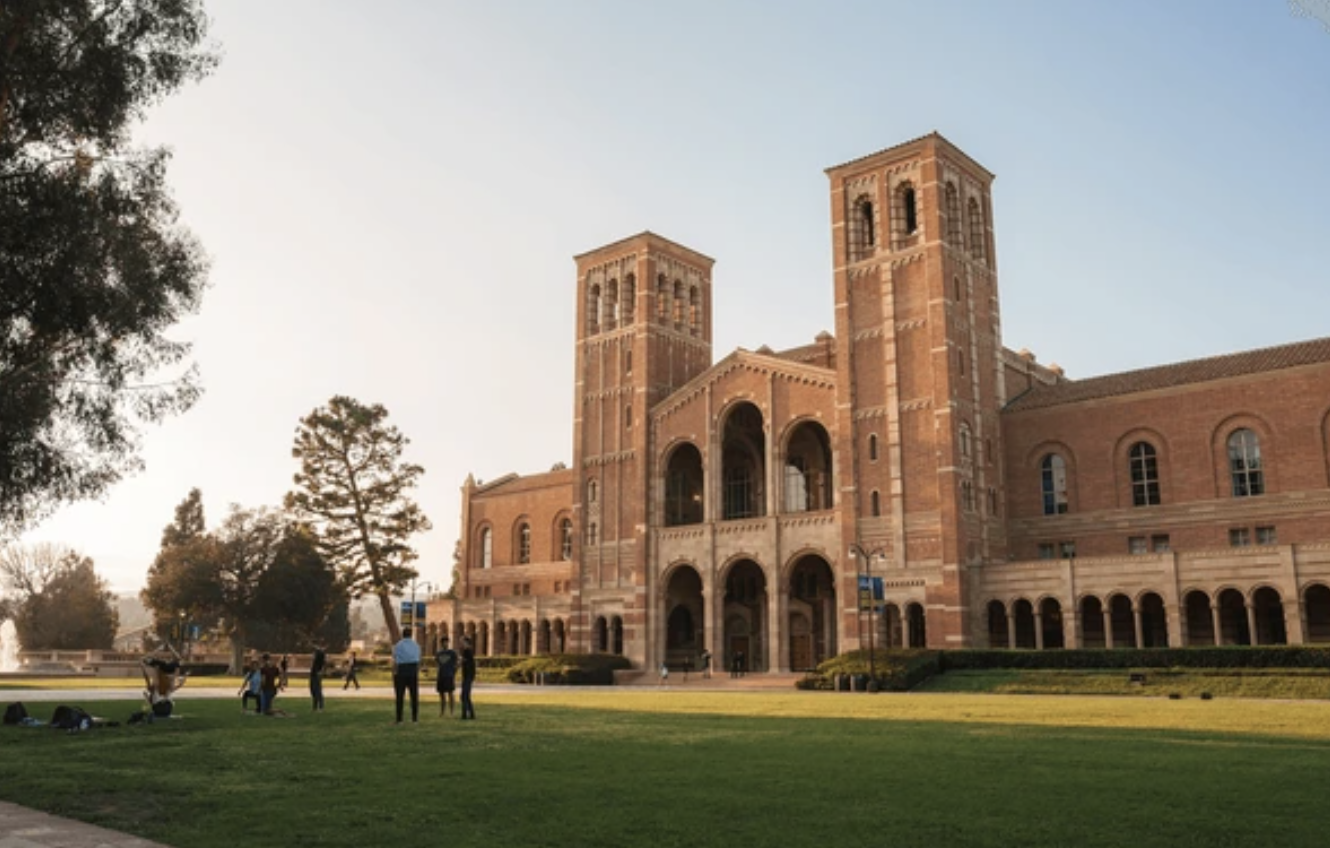








The new Workforce Pell program broadens how federal student aid may be used, with a focus on approved training tied to in-demand occupations. – Photo courtesy of the U.S. Department of Education
Expanded Pell Grants will allow eligible students to seek federal aid for approved short-term career programs, creating a new option for workers seeking skills in health care, technology, transportation and skilled trades.
Beginning July 1, a major expansion of the federal Pell Grant program takes effect, allowing eligible students to use grant aid for certain short-term workforce training programs. The program, known as Workforce Pell, is intended for students who may not need a traditional two-year or four-year degree but still need training for growing fields.
For ordinary families, the change could matter in practical ways. A parent returning to work, a young adult seeking a first career, a laid-off worker changing industries or an employee hoping to qualify for a higher-paying position may be able to seek aid for approved programs that take weeks or months instead of years.
The aid is not automatic, and not every training course will qualify. Students must meet Pell Grant eligibility rules, and the program itself must be approved under federal and state requirements. But for those who qualify, Workforce Pell could reduce costs that many students previously paid on their own.
Pell Grants are federal grants for students with financial need. Unlike loans, they generally do not have to be repaid. For the 2026–27 award year, the maximum Federal Pell Grant is $7,395, though awards vary based on financial need, cost of attendance, enrollment status and other factors.
Federal rules say eligible programs must prepare students for high-skill, high-wage or in-demand jobs and meet standards related to length, completion, job placement and earnings outcomes. In general, eligible programs must last at least eight weeks but less than 15 weeks and include 150 to 599 clock hours, or the equivalent in credit hours.
Fields that may benefit include allied health, nursing support, information technology, commercial driving, welding, automotive technology, HVAC, manufacturing and skilled trades. The exact programs available will vary by state, school and approval process.
Students should ask questions before enrolling. A school may advertise career training, but that does not automatically mean the program qualifies for Workforce Pell. Students should contact the school’s financial aid office and ask whether the specific program has been approved, when aid may become available and how much of the cost could be covered.
They should also ask about the full price, graduation rates, job placement rates, licensing requirements and whether employers recognize the credential. Federal aid can lower the cost of training, but it does not guarantee employment.