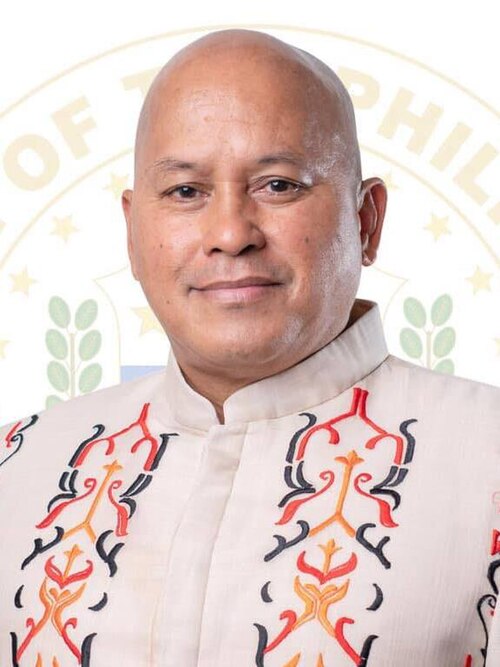




Harry Roque (Photo from Presidential Communications Operations Office )
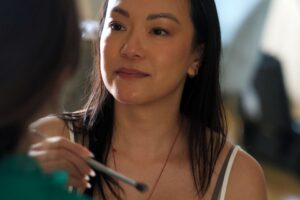
and Cassandra Li Ong (Senate of the Philippines file photo)
MANILA – A Pasig City court has granted the government’s request to cancel the passports of former presidential spokesperson Harry Roque and businesswoman Cassandra Li Ong, allowing the Department of Foreign Affairs to revoke their travel documents as both face non-bailable qualified human trafficking charges linked to the raided Lucky South 99 POGO hub in Pampanga.
The Pasig Regional Trial Court Branch 157 granted the motion filed by state prosecutors on November 19. Prosecutor General Richard Fadullon said the order aims to prevent the accused from using Philippine travel documents while the criminal case is ongoing. The DFA confirmed it implemented the directive and canceled the passports of Roque, Ong and three other individuals facing the same charges.
A case rooted in the Lucky South 99 raid
Roque and Ong are among dozens charged before the Angeles City Regional Trial Court Branch 118 for qualified trafficking in persons under the Anti-Trafficking in Persons Act of 2003. The charges stem from alleged forced labor and online fraud activities inside Lucky South 99, a POGO compound in Porac, Pampanga. Authorities raided the site in 2024 and reported the rescue of nearly 200 workers. Arrest warrants were issued earlier this year for 50 individuals, including Roque and Ong. All accused remain presumed innocent under Philippine law.
Roque’s public career and links to the POGO hub
Harry Roque, 58, is a long-time lawyer, public advocate and former presidential spokesperson. He earned his economics and law degrees from the University of the Philippines and completed a Master of Laws at the London School of Economics. Roque co-founded the Center for International Law and represented victims in high-profile human rights cases, including the Maguindanao massacre.
He later served as a Kabayan Party-list representative and twice held the position of presidential spokesperson during the Duterte administration. Public filings show that Roque served as legal counsel for Whirlwind Corporation, the company that leased land to Lucky South 99. Records indicate he assisted in communications with the Philippine Amusement and Gaming Corporation regarding licensing issues. Roque has denied all allegations and called the charges baseless.
Ong’s role as Lucky South 99 representative
Cassandra Li Ong, also known as Katherine Cassandra Li Ong, is identified by government agencies as the authorized representative of Lucky South 99 Outsourcing Inc. She was involved in securing local permits and POGO-related registrations for the Porac compound. Ong was previously detained by the House of Representatives during inquiries into POGO-linked abuses and was later tracked to Indonesia and Japan. The DOJ has sought an Interpol red notice for Ong and announced a one million peso reward for information leading to her arrest. She has not returned to the Philippines while the case progresses.
Passport cancellation sets stage for procedural next steps
The cancellation of passports does not determine guilt or resolve the trafficking case. The DFA explains that passports may be revoked when a court issues an order in connection with serious criminal proceedings. According to the DOJ, the loss of a valid passport reduces flight risk and strengthens cooperation with foreign governments if immigration issues or arrests occur abroad.
The qualified trafficking case will advance once the court secures physical jurisdiction over the accused through voluntary surrender, arrest or turnover by foreign authorities. Only then can arraignment and evidentiary hearings be scheduled. The law imposes a maximum penalty of life imprisonment and fines ranging from two million to five million pesos when the alleged acts involve aggravated circumstances.
Roque, Ong and the other accused retain their constitutional rights, including the right to counsel and the right to challenge evidence. The outcome of the case will depend entirely on the evidence presented in court.