


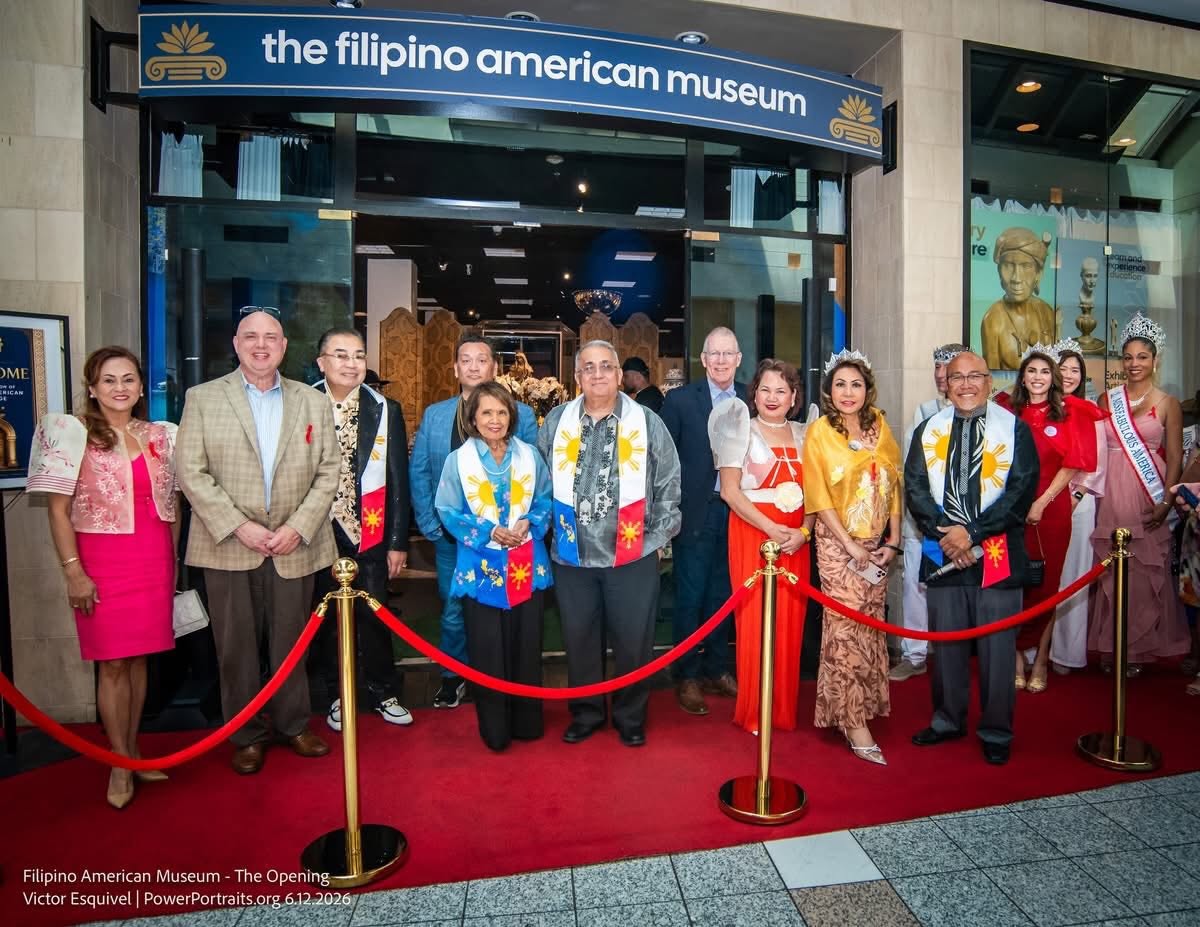
At the grand opening of The Filipino American Museum – Photo Courtesy of Ms Rozita Lee
The Filipino American Museum opens in a cultural district shaped by the community’s businesses and efforts to preserve its story
LAS VEGAS — Inside the Boulevard Mall, carved figures, woven textiles, baskets, ritual objects and household tools introduce visitors to a history that began long before the modern Philippines took shape.
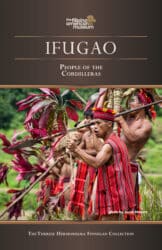
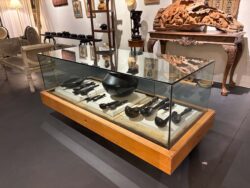
The objects form the centerpiece of “Ifugao: People of the Cordilleras,” the opening exhibit at the Filipino American Museum. Drawn from the Therese Hermosisima Finnegan Collection, the presentation examines the artistry, spiritual traditions and daily life of the Indigenous people of the Cordillera region in northern Luzon.
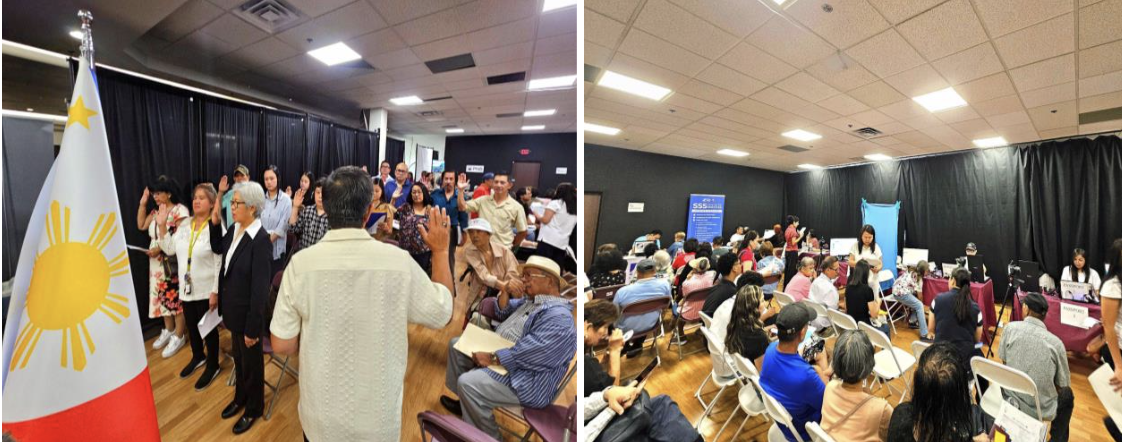
The museum formally opened June 12, Philippine Independence Day, linking the institution to history it seeks to present.
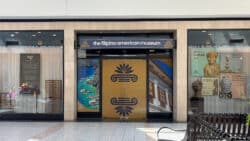
Located at Suite 320, 3680 S. Maryland Parkway, the museum stands inside the Filipino Town Cultural District established by Clark County in 2025. Its location joins two developments in Southern Nevada’s Filipino American community: recognition of a commercial and cultural center, and the creation of an institution devoted to preserving history.
For decades, Filipino-owned restaurants, markets, offices, churches and community organizations developed across the Las Vegas Valley without an official district. Maryland Parkway gradually became a center for commerce and cultural activity.
Clark County received an application to designate the area as Filipino Town in September 2024. After public notice and local review, the district was formally established April 15, 2025.
The county resolution described it as a means of preserving and celebrating Filipino culture, commerce, food, celebrations and religious traditions. An official district sign was unveiled at the Boulevard Mall in October 2025. The museum now gives the area a permanent educational component.
Museum founder and President Rozita Villanueva Lee has spent decades working with Filipino American and Asian American organizations in Nevada. She previously served on President Barack Obama’s Advisory Commission on Asian Americans and Pacific Islanders.
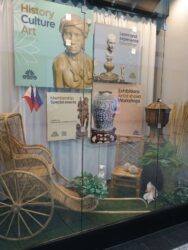
The institution is intended to collect material, organize exhibitions and give younger Filipino Americans and other visitors a place to encounter Philippine and Filipino American history.
The Ifugao presentation directs attention to a part of Philippine history often overshadowed by accounts centered on Spanish colonization, American administration and migration to the United States.
The display includes bulol figures associated with rice and agricultural life, along with textiles, baskets, tools and ceremonial objects. Together, the pieces offer a view of a community shaped by ancestral lands, religious beliefs, agriculture and craftsmanship.
The museum does not present the exhibit as a complete history of the Philippines. Organizers instead envision rotating displays examining Indigenous cultures, migration, art, photography, personal accounts and contemporary creative work. The model reflects both the breadth of the subject and the limits of the current space.
The museum also plans educational programs for children, families and adults. Its outline includes traditional crafts, dance, cuisine, Filipino history, storytelling and kulintang music. A full calendar remains in development.
Lee serves as president, with Carl Magno as vice president. David Tupaz is chief curator and executive director; Ron Cabildo is director of global marketing and strategic alliances; Vissia Calderon is secretary; and N. Raquel Bridges is treasurer.
The museum begins with a modest footprint and limited schedule. It must build its collection, refine its programming and sustain public interest.
Its setting may help. Unlike a large institution in a formal cultural complex, the museum sits inside an active shopping center. Visitors may arrive specifically to see an exhibit or discover it while visiting a restaurant, store or community event nearby.
For immigrants, the collections may recall places and traditions known from the Philippines. For their children and grandchildren, the displays may provide context for customs encountered at home but rarely examined in school. For visitors, they offer an introduction to a community with a longstanding presence in Southern Nevada.
The museum’s first exhibit begins in the Cordillera mountains. Future presentations are expected to move through other regions, periods and forms of expression.
For now, the Filipino American Museum has created a place to begin.