







Federal workers are set to receive long delayed back pay after the forty three day government shutdown ended. Agencies are restarting payroll systems, with most employees expected to receive full retroactive wages by November 19.
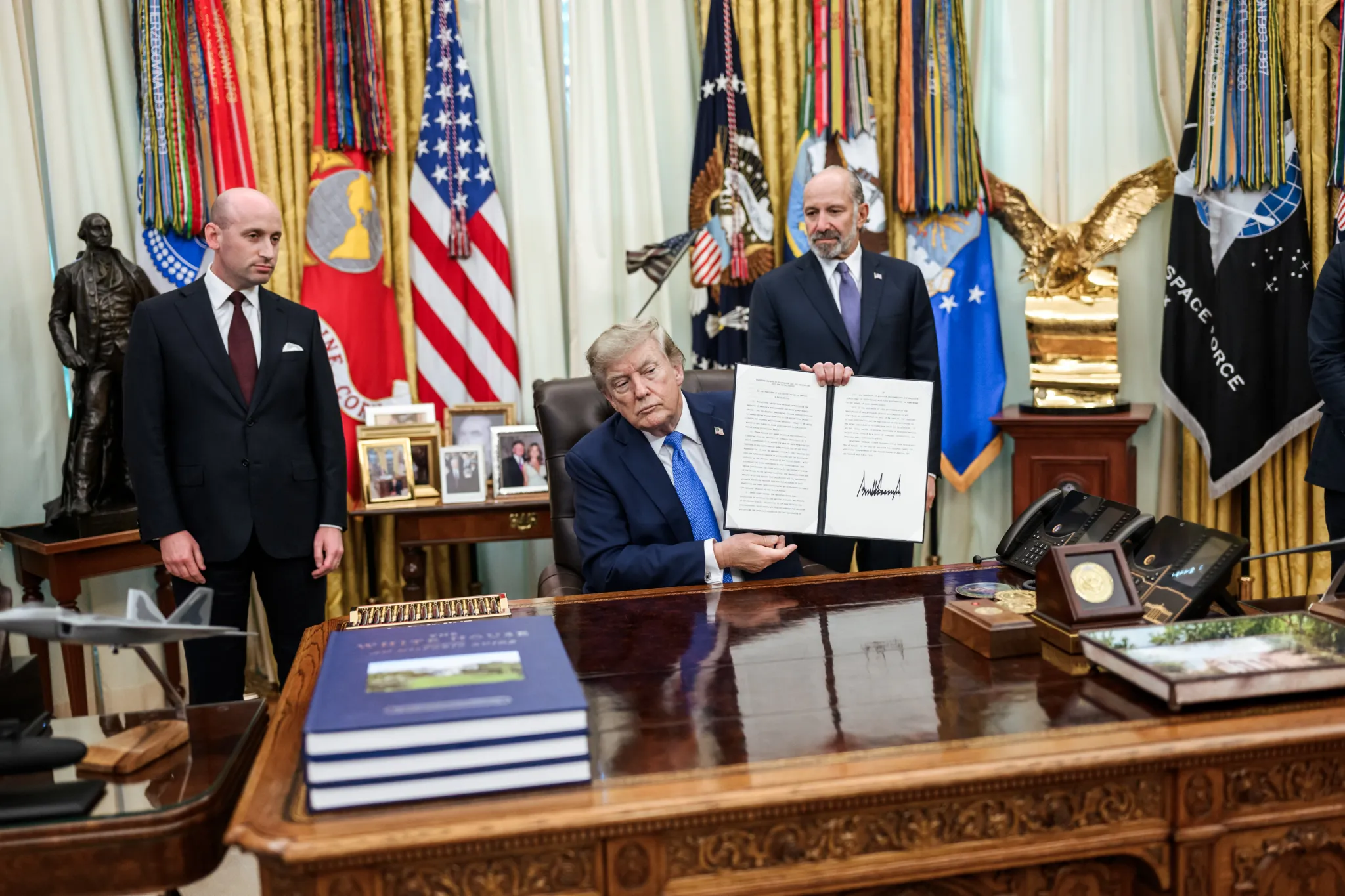
WASHINGTON – Federal employees who missed more than a month of paychecks during the forty three day government shutdown are expected to begin receiving back pay as early as Saturday, according to new guidance shared among agencies as operations restart. The shutdown, which began on October 1 and ended late Wednesday when President Donald Trump signed a stopgap funding bill, was the longest funding lapse in United States history.
A planning document circulated by the White House Office of Management and Budget, and reported by several national outlets, indicates that the first wave of payments will be disbursed over the weekend. Most agencies are expected to complete back pay processing by November 19. Payroll offices across the federal government have been instructed to accelerate disbursements while ensuring accuracy after weeks of suspended or partial operations.
The Office of Personnel Management notified employees that payroll restoration is a priority and that agencies are required to compensate workers for all pay periods that lapsed during the shutdown. OPM reiterated that the Government Employee Fair Treatment Act of 2019 guarantees retroactive pay for furloughed employees and for workers who reported to duty without pay because they were classified as excepted personnel. The law, passed during a previous shutdown, makes back pay automatic once funding is restored.
Approximately 1.4 million federal civilian employees were affected during the funding lapse, based on federal workforce data. Roughly half were furloughed at various points while the rest continued working in positions considered essential to national security, transportation, public safety and core government functions. Agencies including the Transportation Security Administration, Customs and Border Protection, the Federal Aviation Administration and the Food and Drug Administration operated with reduced staffing while employees awaited pay.
It was reported that several large agencies anticipate distributing pay as early as Saturday. Others may take several additional days depending on internal payroll cycles. Workers who are paid on biweekly schedules are expected to receive retroactive deposits in a lump sum that covers all missed periods.
During the shutdown, employees collectively missed millions of paychecks and experienced financial strain that included delayed rent, medical bills and emergency borrowing. Although back pay will restore lost wages, analysts note that shutdowns can produce permanent economic losses. The Congressional Budget Office has previously estimated that long funding lapses can remove billions of dollars in economic activity that is never recovered, even when back pay is issued.
Contract workers who provide janitorial, food service, security and call center support through private firms remain in a different category. Federal law does not guarantee back pay for contractors, and any compensation for lost wages depends on individual employers or agency specific arrangements. Worker advocacy groups have urged Congress to consider relief for low wage federal contract workers who have now endured multiple shutdowns without legal protections.
As operations resume, agencies have issued detailed instructions to employees. Workers are being advised to check official pay calendars, monitor direct deposits and review pay statements to ensure that deductions, retirement contributions, leave accrual and premium pay are correctly reflected. OPM guidance states that all furlough hours covered by retroactive pay must be treated as time in pay status for the purposes of benefits, retirement service credit and within grade increases.
Some agencies face significant backlogs. Departments that suspended nonessential work during the shutdown are now contending with delays in permitting, research, inspections, public services and regulatory functions. Leadership teams have been told to prioritize safety, compliance and mission critical operations as staff return.
The funding bill signed on Wednesday keeps the federal government open through January 2026. Lawmakers must negotiate additional appropriations to avoid another lapse. For many employees, the restart of pay offers immediate relief, but unions representing federal workers warn that repeated shutdowns undermine morale and disrupt services that millions of Americans rely on.
For now, the focus among federal workers is on the return of long delayed paychecks. After six weeks of uncertainty, the government’s civilian workforce is preparing to move forward, rebuild financial stability and resume the work that was interrupted by the record long shutdown.