





Filipino American candidates posted notable results across statewide, legislative, congressional and Los Angeles city races as California’s top-two system and local majority rules shaped the June 2 primary.
LOS ANGELES — California’s June 2 primary narrowed the field for November while leaving several closely watched races subject to the state’s extended ballot-counting process.
In the governor’s race, Republican Steve Hilton and Democrat Xavier Becerra led early statewide returns, positioning them for a possible November contest to succeed Gov. Gavin Newsom. Democrat Tom Steyer trailed in third place as ballots continued to be counted.
If the order holds, the result would spare Democrats a more complicated outcome in which a divided Democratic field allowed two Republicans to advance in a state where Democrats hold a large registration advantage.
For California voter-nominated offices, the June primary functions as a qualifier, not a final contest. Statewide, congressional and legislative races send the top two vote-getters to November, regardless of party or whether one candidate receives more than 50%. The question is not who crossed a majority threshold, but who finished in the top two.
That distinction shaped several races of interest to Filipino American and Asian American voters.
In the attorney general’s race, Democratic incumbent Rob Bonta led and was on track to advance to the November general election. His lead does not end the race in June; attorney general will still appear on the November ballot.
In Assembly District 52, Democratic incumbent Jessica Caloza overwhelmingly led Republican Andrea Lee Anderson, making her the clear November frontrunner. Anderson also advances as the second candidate on the ballot.
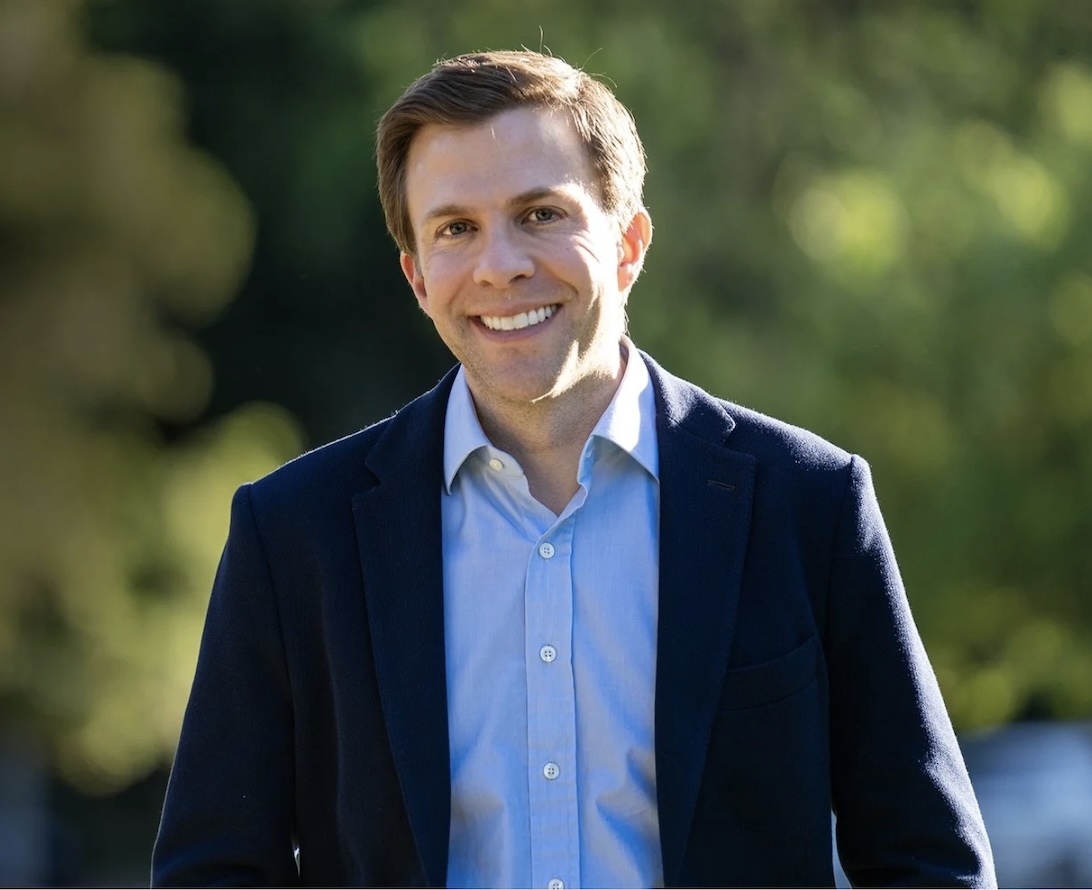
In Assembly District 67, Democrat Mark Pulido was in second place and positioned to advance, though the race remained unofficial. Republican Paulo Morales led the field, followed by Pulido, with Democrat Ada Briceño in third. Pulido’s standing depends on remaining among the top two after all eligible ballots are counted.
Local nonpartisan races operate differently: in contests such as Los Angeles city controller and mayor, a candidate who receives more than 50% can avoid a November runoff.
In Los Angeles, City Controller Kenneth Mejia appeared to clear that majority threshold and win reelection outright. Unofficial Los Angeles County returns showed Mejia with 257,202 votes, or 58.83%, against challenger Zach Sokoloff, who had 179,989 votes, or 41.17%. Mejia’s apparent victory remains pending final certification.
In California’s 37th Congressional District, Republican Baltazar Fedalizo was in second place behind Democratic Rep. Sydney Kamlager-Dove and was positioned to advance if the order holds. The California Secretary of State lists Fedalizo’s ballot designation as entrepreneur and lobbyist. His campaign biography describes him as a Los Angeles congressional candidate with Native American and Filipino heritage and cites work involving employment and reintegration for formerly incarcerated people. Unofficial Los Angeles County results showed Fedalizo with 9,580 votes, or 13.59%, while Kamlager-Dove led with 36,046 votes, or 51.12%. Kamlager-Dove’s majority does not close the contest in June; the race proceeds to November with the top two finishers.
The same majority-threshold rule shaped the Los Angeles mayoral contest. Mayor Karen Bass led the primary but did not appear to clear the majority needed to avoid a runoff. Former reality television figure Spencer Pratt and Councilmember Nithya Raman were competing for the second runoff position in a race shaped by homelessness, wildfire response, public safety and voter frustration.
Vote-by-mail, provisional and other ballots will continue to be processed after Election Day, and results may change during the canvass period. The state is scheduled to certify results in July.
The primary did what California primaries often do: it imposed order on a crowded field without settling the politics beneath it. It narrowed choices for November, tested party discipline and showed where coalitions remained intact and where they were beginning to strain.
For Filipino American candidates, the results underscored a broader maturation of political representation. Bonta and Caloza led from positions of institutional strength. Pulido and Fedalizo remained viable through competitive fields. Mejia appeared to secure an outright citywide victory in Los Angeles. Together, the results pointed beyond visibility alone, placing Filipino American candidates in statewide, legislative, congressional and municipal contests where public power is contested, exercised and retained.