

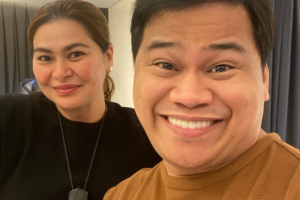





Leyte Rep. Richard Gomez on Sept. 2 apologized to reporters after posting their names and phone numbers in a Facebook post about the Matag-ob flood-control issue. The sensitive images were later removed.
NUJP rebukes Richard Gomez for exposing reporters’ personal details in a Facebook post on the Matag-ob flood-control issue; images later removed.
MANILA — The National Union of Journalists of the Philippines (NUJP), a media watchdog group, has criticized Leyte 4th District Rep. Richard Gomez after he posted screenshots of interview requests that revealed reporters’ names and mobile numbers, while claiming the inquiries were part of a paid “media spin.”
The post displayed reporters’ personal details, and Gomez later disabled comments on it.
The following day, Aug. 29, NUJP denounced Gomez’s post, stressing that asking for a subject’s side is standard reporting practice. The group warned that publishing journalists’ contact details exposed them to possible harassment and fraud and could implicate data-privacy concerns under the Data Privacy Act of 2012 (RA 10173).
On Sept. 1, journalists covering the House of Representatives issued a statement calling Gomez’s action “baseless, reckless, and endangering” to those whose numbers were shown.
On Sept. 2, Gomez apologized during plenary. He acknowledged that reporters were doing their jobs by asking for his comment and said the “sensitive information has been removed.”
Context of the issue
The media inquiries came after Matag-ob Mayor Bernie Tacoy claimed a flood-control structure in his town had already been damaged by rains. Gomez countered that the project was still under construction and said a crucial component had not yet been installed. A House inquiry into flood-control projects is being prepared, and Deputy Speaker Ronaldo Puno noted that an ethics complaint can be brought against Gomez over his social media post.
Implications
- Press freedom: NUJP and the House press corps stressed that discrediting and exposing reporters for seeking comment undermines transparency and puts journalists at risk.
- Data privacy: The National Privacy Commission (NPC) identifies names and phone numbers as personal information under RA 10173. Unauthorized disclosure may invite complaints and sanctions, although whether a violation occurred would require an NPC determination.
- Public accountability: The flap unfolded amid scrutiny of government flood-control spending, underscoring the importance of open and harassment-free reporting.