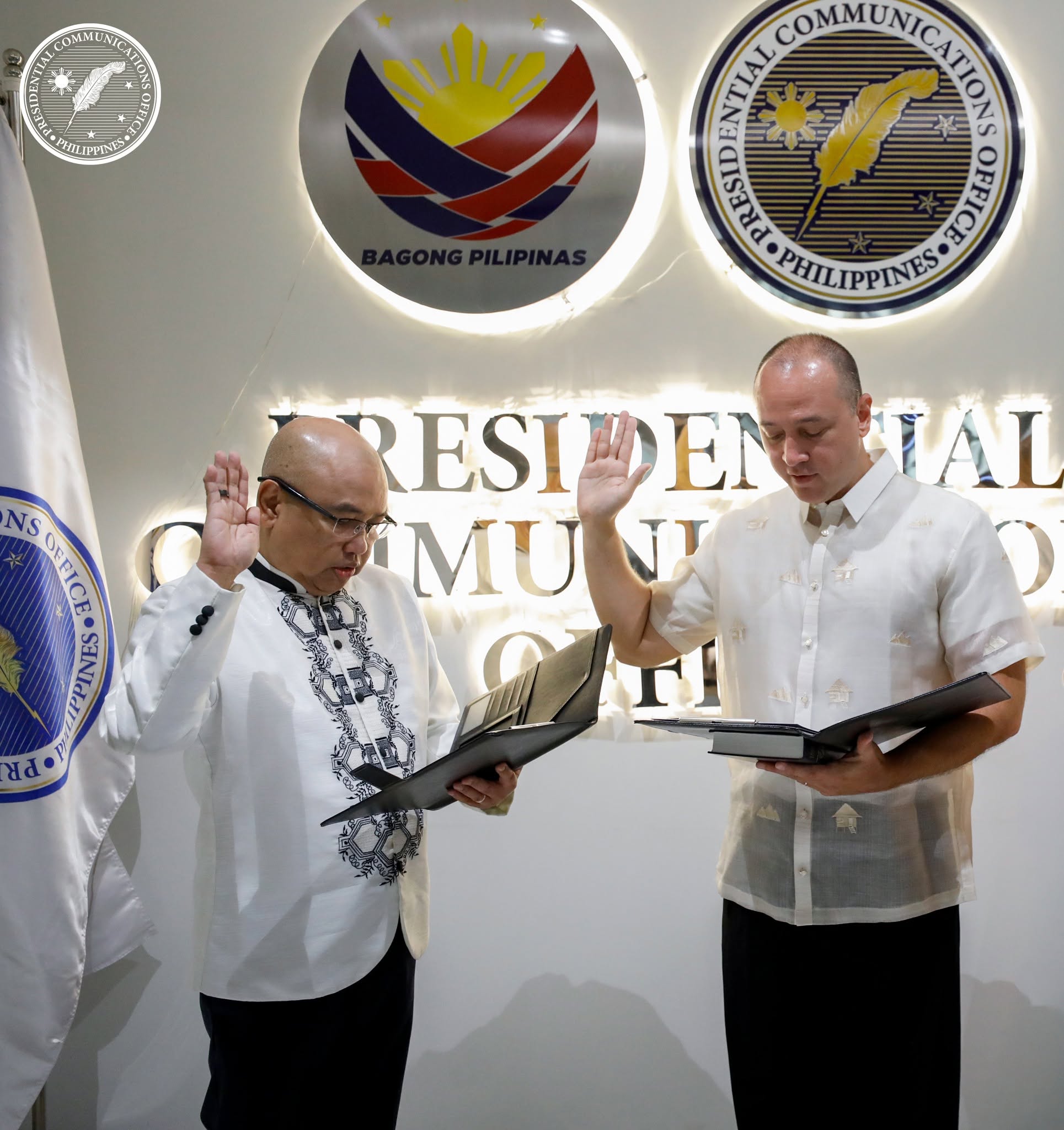






Photo from @pcogovph
TAGUIG CITY, Philippines — President Ferdinand Marcos Jr. on Feb. 13, 2026 led the groundbreaking for two stations of the Metro Manila Subway Project (MMSP) in the Bonifacio Global City (BGC) corridor, highlighting government projections that a full end-to-end trip from Valenzuela City to BGC could take about 29 minutes once the line becomes operational.
The travel-time estimate, presented during the ceremony attended by Department of Transportation (DOTr) officials and Japanese representatives, reflects a projected service outcome for Phase 1 of the country’s first underground rapid transit system.
The BGC works fall under Contract Package 105 (CP105), part of the subway’s 33.10-kilometer alignment designed to connect Valenzuela in the north to Ninoy Aquino International Airport, Makati and BGC in the south. According to the Embassy of Japan in Manila, CP105 includes roughly 1.3 kilometers of tunneling and the construction of two underground stations between Kalayaan Avenue Station and the planned BGC Station.
Earlier in the day, Marcos and DOTr Acting Secretary Giovanni Z. Lopez inspected progress at Shaw Boulevard Station in Mandaluyong, another segment of the expanding subway network.
Ridership and capacity
Government briefings carried by the Philippine Information Agency project that the two BGC-area stations could serve more than 200,000 passengers daily during their initial year of operation.
Planning assumptions presented by transportation officials indicate a fleet of approximately 30 train sets, each composed of eight cars with a theoretical maximum capacity of up to 2,228 passengers per train. The fully underground system is designed to provide high-capacity, high-frequency service aimed at easing road congestion and improving north-south connectivity across Metro Manila.
Progress and timeline
Officials have targeted a demonstration run of initial segments by 2028, with full completion of Phase 1 projected by 2032. These dates are described by government agencies as milestone targets tied to engineering and operational benchmarks.
A separate report citing a DOTr audiovisual presentation placed overall project completion at about 54 percent, with several kilometers of tunnel excavation and multiple station structures already under construction.
The subway, first initiated under the Duterte administration, continues under the current administration as part of the national infrastructure modernization program.
Financing and partnership
Japan remains the principal funding partner through the Japan International Cooperation Agency (JICA). In 2024, JICA signed a loan agreement worth 150,000 million yen to support Phase 1 construction, rolling stock procurement and systems installation.
Japanese officials have described the subway as a long-term infrastructure investment intended to reduce travel time losses, improve urban mobility and support environmental sustainability goals in Metro Manila.
Once operational, the Metro Manila Subway is expected to integrate with existing and planned rail lines, forming part of a broader metropolitan transit network. For now, the 29-minute Valenzuela-to-BGC journey remains a forward-looking projection contingent on the project’s completion and commissioning.