







Photo by Mick De Paola on Unsplash
Inside Manila Golf & Country Club, where a single share sold for ₱200 million (US $3.6 million), golf has become the quiet language of power in the Philippines, rivaling the world’s most exclusive clubs.
In the stillness of early mornings, before Manila’s heat presses down, convoys of black SUVs slip past the guarded gates of Manila Golf, Wack Wack, or Sta. Elena. Inside, no cameras roll, no microphones prod. Yet in these greens, fortunes shift, alliances take root, and dynasties quietly extend their reach.
For much of the country, these manicured landscapes are glimpsed only from afar, their gates keeping watch over traditions not meant for everyone. For the few who walk these fairways, however, the game is less about strokes and scores, and more about trust, inheritance, and the deals sealed in hushed tones beneath the shade of century-old trees.
A Colonial Game Turned Capital Code
Golf arrived in the Philippines in the early 1900s with British and American colonials. At first, it was a pastime of expatriates and high officials, marked by white linen and brown-skinned caddies walking silently behind. Over time, as Filipino families rose through real estate, politics, and finance, the sport evolved into something more – a coded language of belonging.
Here, access was never about athletic skill. It was about lineage and the right introductions. A handshake on a par three could outweigh weeks of boardroom debate. Unlike polo or sailing, golf needed little display. Land, time, and access were enough.
Golfing as Gatekeeping
At Manila Golf & Country Club, the Philippines’ most exclusive course, membership is less sport than status. Established in 1901 and relocated to its current Forbes Park site in 1949, it has only around 600 proprietary shares in circulation. The club does not advertise and rarely admits newcomers outside its tight circle.
“Membership is the real currency,” says a long-time facilitator of share transfers. “You don’t play to be seen. You play because you’re already known.”
In June 2024, that currency made headlines when a single Manila Golf share sold for ₱200 million (about US $3.6 million), a record in Philippine golf history. The buyer was not just purchasing rounds of golf, but an entry into a legacy circle where mergers are mulled over misreads and business disputes can dissolve with a handshake.
The ₱200 Million Swing and Its Ripple Effects
That sale reshaped expectations across the country’s golfing landscape. Share prices at other prestigious clubs surged in its wake. Wack Wack Golf & Country Club, once heralded for its history and inclusivity, saw shares climb to ₱25–30 million. Valley Golf’s prices pushed past ₱12 million. Newer favorites like Sta. Elena, popular with tech and real estate heirs, hovered near ₱14 million.
Each transaction underscores the idea that golf in the Philippines is not just recreation. It is equity, a legacy instrument, and an invisible seal of approval among the nation’s most powerful families.
The Global Context
Globally, golf remains synonymous with privilege. Augusta National in Georgia, home of The Masters, famously charges initiation fees estimated at $250,000, with annual dues around $10,000. Liberty National in New Jersey requires about $450,000 upfront. In Singapore, membership at the iconic Sentosa Golf Club costs between SG$500,000 and 1,000,000 (US $370,000–740,000).
Yet these elite clubs operate differently. Their hefty fees secure access but not ownership. Unlike Manila Golf, shares cannot be inherited, traded, or sold. In the Philippines, membership is equity, making it both culturally potent and financially strategic. The ₱200 million Manila Golf share sits not just within Asia’s priciest circles, but also as one of the world’s most expensive golf assets.
Beyond the Greens: A Social Matrix
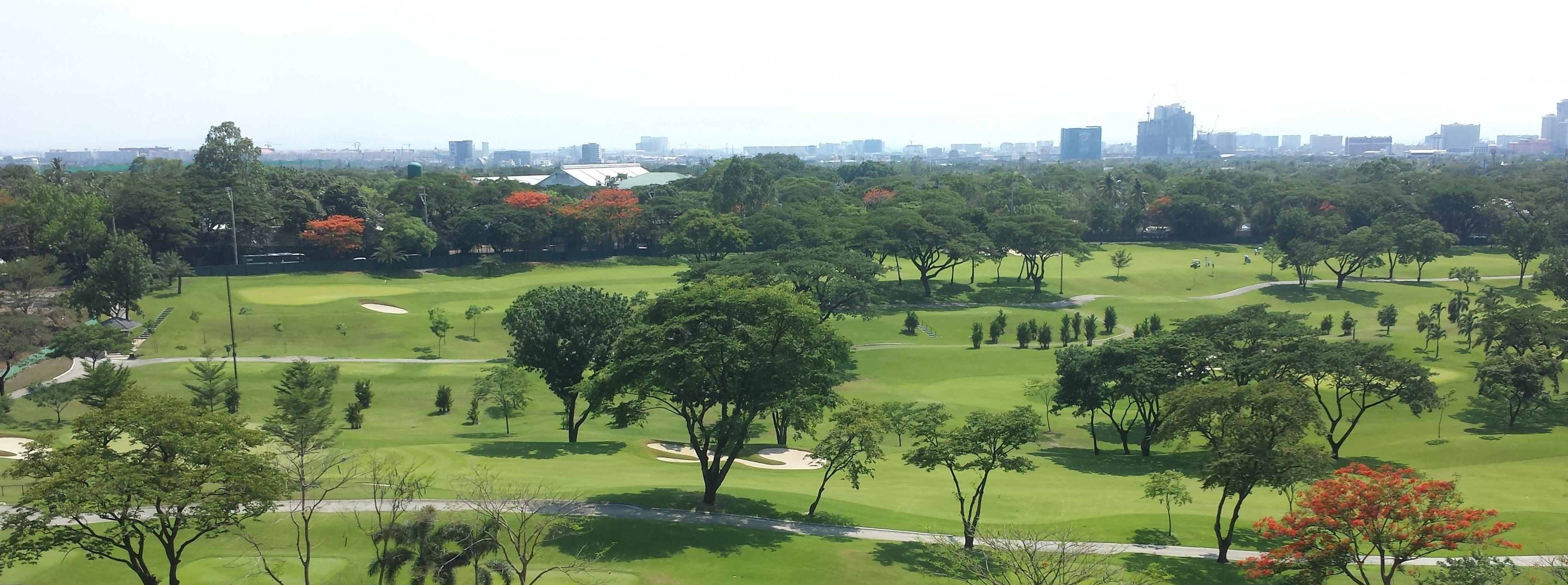
The exclusivity extends beyond course play. Manila Golf’s clubhouse offers piano bars, saunas, and dining salons where privacy is paramount. At Wack Wack, the twin courses carry memories of old-guard politics. At Sta. Elena, families can blend play with luxury estate living.
“It’s where succession is mentored,” says a second-generation executive who spent childhood weekends at Tagaytay Midlands. “You learn early: respect the course, respect the order.”
Here, golf is a generational bridge, grandfathers walking the greens with their grandchildren, passing down not only lessons of grip and swing, but of restraint, patience, and quiet power.
The Post-Pandemic Surge
The pandemic years sparked a renaissance for the sport. As one of the few safe ways to socialize outdoors, golf surged in demand. Mid-tier clubs reported spikes in applications, and developers integrated private courses into luxury townships. The game became a symbol of fresh air and exclusivity at a time when both were in short supply.
The Next Tee Box
What lies ahead for Philippine golf? Modernization is creeping in, with clubs exploring app-based tee reservations and eco-conscious landscaping. International tournaments beckon, promising global recognition. But purists caution against too much change.
“There’s a reason Manila Golf hasn’t changed much since the 1950s,” a member reflects. “It’s not about novelty. It’s about trust. And trust is harder to build than any course.”
Final Hole
Golf in the Philippines is not for everyone. Whether it is a ₱200 million share at Manila Golf or a ₱90,000 green fee at a championship course, the sport functions as both pastime and passport.
It signals wealth, yes. But more importantly, it signals entry into an arena where the nation’s most influential figures still meet in quiet confidence, far from headlines, sealing their futures in the stillness of the fairways.

The Asian Journal Media Center curates information disseminated from both the public and private sector throughout the World. The media center publishes a collection of the World’s most newsworthy topics set forth by our editorial board. Stories that our team of journalists believes are critical, vital, and entertaining information that aspires to help the Global Filipino community make well-informed decisions, opinions, and actions. Our Media Center believes that a well-informed and well-rounded society is a thriving society.