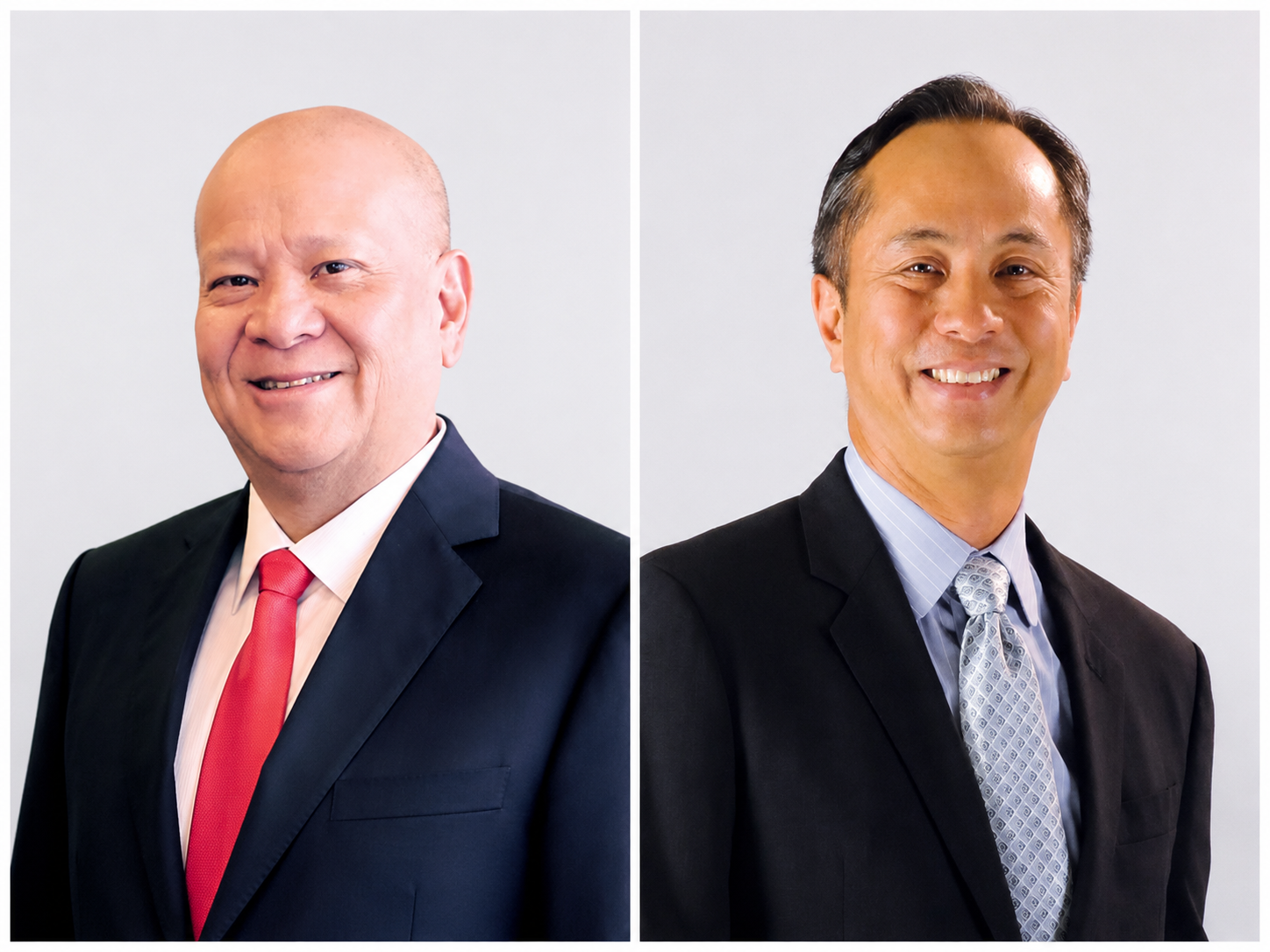







Left: Senator Risa Hontiveros speaks during a Senate hearing. Right: Contractor Pacifico “Curlee” Discaya II Hontiveros has raised concerns over withheld flood-control financial records from Discaya as the Senate investigation into alleged irregularities widens.
Manila — Senator Risa Hontiveros on Wednesday, January 21, questioned the continued absence of key financial records from contractor Pacifico “Curlee” Discaya II, saying the missing documents could hinder efforts to determine accountability as a Senate inquiry into alleged irregularities in flood-control projects expands.
Hontiveros told the Senate Blue Ribbon Committee that Discaya has so far submitted records covering only the period from 2022 onward, leaving out documents from 2016 to 2022 that she said coincide with the early expansion of the firms’ government contracts. The senator described the missing years as central to any attempt to trace where public funds ultimately went.
“If the ledger remains incomplete, it raises serious questions about transparency,” Hontiveros said, adding that the continued withholding of records could be “to hide someone.” Her remarks were framed as a call for full disclosure rather than a declaration of wrongdoing. As of this writing, no audited or complete ledger covering the 2016–2022 period has been publicly released.
‘Robbed’ claim over restitution talks
The dispute over documentation has unfolded alongside Discaya’s public claim that he felt “robbed” during discussions with prosecutors about returning money to the government in connection with possible cooperation in ongoing investigations.
Discaya made the remark during Senate hearings that examined whether he and his wife, contractor Sarah Discaya, had sought or qualified for protection under the Department of Justice’s witness protection program. He said talks stalled when the issue of returning funds arose, which he portrayed as an unfair demand.
The Department of Justice has rejected that characterization, disputing claims that it pressured Discaya or demanded repayment as a condition for protection. Prosecutors have said discussions about restitution are part of accountability processes tied to specific cases, not an act of coercion.
Ombudsman: restitution is accountability, not extortion
The Office of the Ombudsman also addressed Discaya’s remarks, with Assistant Ombudsman Mico Clavano publicly disputing the “robbery” framing.
Clavano said the return of public funds, when warranted, is restitution to the state and a form of accountability, not extortion. He emphasized that the public is the party allegedly harmed when government money is misused and that recovery of funds should not be portrayed as victimization of those under investigation.
Officials have stressed that discussions about restitution do not, by themselves, establish criminal liability, which can only be determined through proper legal proceedings.
Debate over witness protection requirements
A central issue in the hearings has been the legal question of what is required for admission to the government’s witness protection program. The DOJ administers the program under Republic Act No. 6981, which outlines protections and obligations for witnesses whose testimony is deemed vital to a case.
Prosecutors have said restitution is not a blanket statutory requirement for entry into the program, while acknowledging that agreements with witnesses may address obligations arising from particular cases. Senators have noted the distinction between what the law mandates and what prosecutors may seek in practice as part of negotiated cooperation.
Witnesses allege Discaya–Romualdez link
The inquiry has also heard testimony from two masked witnesses, identified by the aliases “Maria” and “Joy,” who alleged an encounter involving Discaya and a property they associated with House Speaker Martin Romualdez.
According to accounts of the hearing, the witnesses said Discaya introduced himself as a contractor connected to the property and claimed they were told to vacate. Romualdez, through representatives and counsel cited in reporting, has denied the allegations, describing them as unsupported and disputing the circumstances described by the witnesses.
Senators have cautioned that the testimony has not been corroborated by publicly produced documents such as deeds, contracts, or payment records directly tying Romualdez to the claims made.
What remains unresolved on the public record are the contents of the missing 2016–2022 ledger and any definitive documentary link between Romualdez and the property described by the witnesses. No court or Ombudsman finding has been issued establishing liability in connection with the allegations raised in the hearings.

The Asian Journal Media Center curates information disseminated from both the public and private sector throughout the World. The media center publishes a collection of the World’s most newsworthy topics set forth by our editorial board. Stories that our team of journalists believes are critical, vital, and entertaining information that aspires to help the Global Filipino community make well-informed decisions, opinions, and actions. Our Media Center believes that a well-informed and well-rounded society is a thriving society.