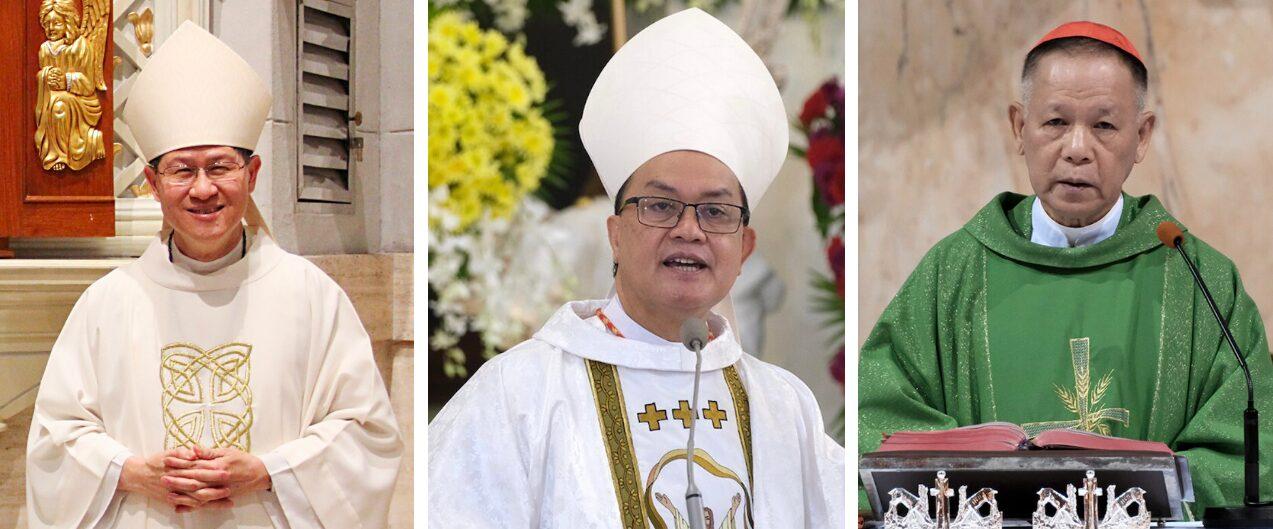





Filipino cardinals Luis Antonio Tagle, Orlando Quevedo, Jose Advincula, and Pablo Virgilio David at the Pontificio Collegio Filippino in Rome following the funeral Mass for Pope Francis on April 26, 2025. – File photo courtesy of pcfroma.org
ROME — Three Philippine-based cardinals are in Rome as Pope Leo XIV prepares to convene his first extraordinary consistory, a formal gathering of the College of Cardinals scheduled to begin January 7, following the conclusion of major Jubilee liturgies at the Vatican today.
The Filipino cardinals present in Rome are Jose F. Advincula, Archbishop of Manila; Pablo Virgilio David, Bishop of Kalookan; and Orlando B. Quevedo, Archbishop Emeritus of Cotabato. All three traveled from the Philippines ahead of the Vatican meetings.
A fourth Filipino cardinal, Luis Antonio Tagle, who is based in Rome and serves as pro-prefect of the Dicastery for Evangelization, is also expected to take part in the consistory in his standing capacity as a senior Vatican official.
The forum used for consultation
A consistory is a formal meeting between the pope and the College of Cardinals, convened to address matters affecting the governance and direction of the Catholic Church.
There are two types. An ordinary consistory is often ceremonial and commonly used for the formal creation of new cardinals. An extraordinary consistory, such as the one scheduled this week, is less frequent and typically brings together cardinals from around the world for consultation, prayer, and discussion.
Why the first consistory matters
This gathering is the first extraordinary consistory of Pope Leo XIV’s pontificate, placing it among the earliest collective consultations between the new pope and the global leadership of the Church.
While Vatican officials have described the meeting as consultative and spiritual in nature, early consistories are often watched for indications of how a pope intends to exercise governance, engage collegially with cardinals, and structure decision-making.
A liturgical marker before deliberations
The extraordinary consistory is scheduled to open the following day, January 7, and continue through January 8, according to the Vatican’s official calendar.
The Philippine delegation in Rome
Cardinal David publicly acknowledged his travel to Rome prior to departure and asked for prayers. Cardinal Advincula completed scheduled liturgical engagements in Manila before leaving for the Vatican. Cardinal Quevedo, though retired from active diocesan leadership, traveled as a member of the College of Cardinals.
Because he is in Rome, Advincula will not preside over the January 9 Feast of the Black Nazarene in Quiapo, one of the Philippines’ largest annual religious observances. The Archdiocese of Manila has said other bishops will lead the principal liturgies associated with the devotion.
What has and has not been announced
As of January 6, the Vatican has not announced any agenda items involving appointments, doctrinal decisions, or structural reforms in connection with the consistory. Church officials have characterized the gathering as spiritual and consultative.
The presence of four Filipino cardinals in Rome reflects the Philippines’ continued representation within the College of Cardinals. The Philippines remains one of the world’s largest Catholic nations, and developments in Rome are closely followed by both the local Church and the Filipino diaspora.