







Old Las Vegas (1960s–70s Strip) – Motels, Phillips 66 signage, and vintage neon displays lined the Las Vegas Strip during the 1960s–70s era. The image captures the Strip before the rise of megaresorts, when roadside casinos, motels, and auto travel dominated its character.
From the implosion of the Tropicana to the rise of a Hard Rock guitar tower and a Major League ballpark, Las Vegas is reinventing itself once again, turning the Strip into a global stage for sports, spectacle, and a future beyond gaming.
Icons Come Down, New Landmarks Rise
The Las Vegas Strip has always thrived on spectacle, but the past year marked the end of two of its most enduring icons. In July 2024, the Mirage, famed for its erupting volcano, shut its doors. Hard Rock International has begun transforming the resort into a flagship property anchored by a 700-foot guitar tower, set to open in 2027. The volcano, once a symbol of the city’s themed-resort era, will disappear and make way for a skyline that reflects the Strip’s new ambitions.

The Strip as a Sports Capital
The transformation is not limited to the skyline. Over the past decade, Las Vegas has become a global sports capital. The Raiders brought the NFL to Allegiant Stadium in 2020. The Golden Knights captured the city’s first Stanley Cup in 2023. The Aces secured back-to-back WNBA championships in 2022 and 2023. And in February 2024, the Strip hosted its first Super Bowl, drawing hundreds of thousands of visitors and generating an estimated billion dollars in activity.
With Major League Baseball preparing to plant roots on the Strip, Las Vegas is on its way to becoming one of the most concentrated sports hubs in the world.
Beyond Gaming, Toward Spectacle
Yet sports are only part of the story. The Strip has steadily shifted away from its reliance on gaming, with non-gaming revenue now providing more than half of many resorts’ income. Entertainment, dining, retail, and conventions have become the new foundation of profitability.
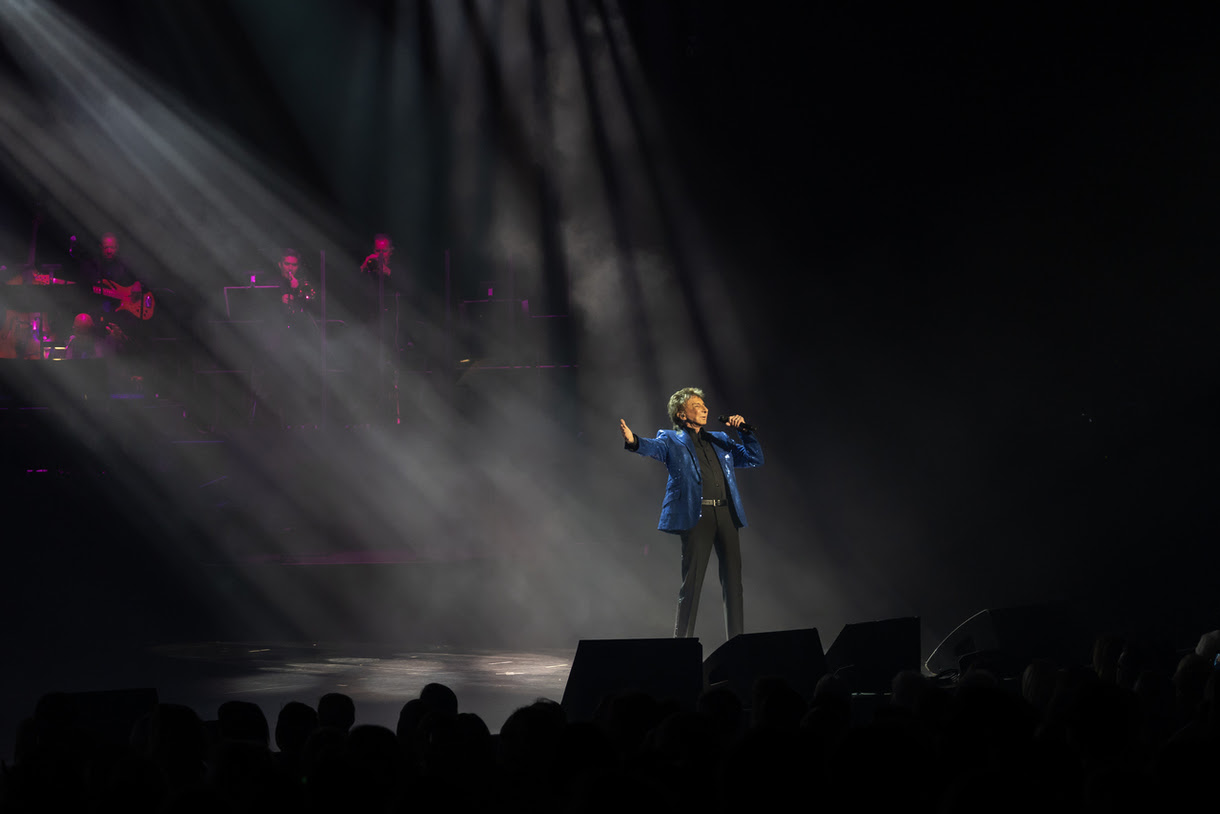
The Sphere, with its immersive concert residencies by U2, Dead & Company, and the Eagles, has emerged as a defining venue of this era. The Formula 1 Las Vegas Grand Prix, though expensive and disruptive, positioned the Strip as an international showcase. Beyond the boulevard, properties like the Durango Casino are expanding, signaling a new wave of investment across the valley.
Short-Term Challenges
Even with this momentum, Las Vegas faces headwinds. In 2025, visitor numbers declined. Figures from the Las Vegas Convention and Visitors Authority show more than a seven percent drop in the first half of the year, with June down by double digits. Rising hotel prices, mounting resort fees, and weaker international arrivals have all weighed on tourism.
While mega-events delivered record spending per guest, the question is whether the city can maintain such premium levels once the novelty of these spectacles fades.
The Horizon Ahead
The years ahead promise projects that will reshape how people experience the Strip. The Hard Rock guitar tower will redefine the northern corridor by 2027. The Athletics’ proposed ballpark on the Las Vegas Strip, scheduled to open in 2028, will place Major League Baseball directly on Las Vegas Boulevard.
That same year, Brightline West, a $12-billion high-speed rail project linking Las Vegas with Southern California, is expected to begin operations. Cutting travel time to about two hours, the line could shift visitor flows and strengthen the city’s pull on weekend travelers. If these ventures proceed on schedule, they will redefine not only the Strip’s image but also its reach and accessibility.
Reinvention as a Constant
Las Vegas has lived through many identities. It has been the mob-run casino town of the mid-century, the Rat Pack’s glamorous playground, the megaresort capital of the 1990s, the family-friendly experiment of the late twentieth century, and today’s global entertainment and sports destination. Each era has been built on bold bets about what visitors wanted next.

What is unfolding now is no exception. The loss of the Mirage and the Tropicana does not mark the end of the Strip but the beginning of what can be called Vegas 2.0. This is a Strip where stadiums, residencies, and railways matter as much as jackpots, and where spectacle, more than gambling, drives the city’s future.
If history offers any lesson, it is that Las Vegas never stands still. Reinvention has always been its greatest gamble, and time after time, it has proven to be its surest win.
This article vividly captures Las Vegass dynamic transformation, blending nostalgia with exciting new developments. It’s fascinating to see the city evolve beyond gaming into a sports and entertainment hub, though the challenges to maintaining its allure remain intriguing.