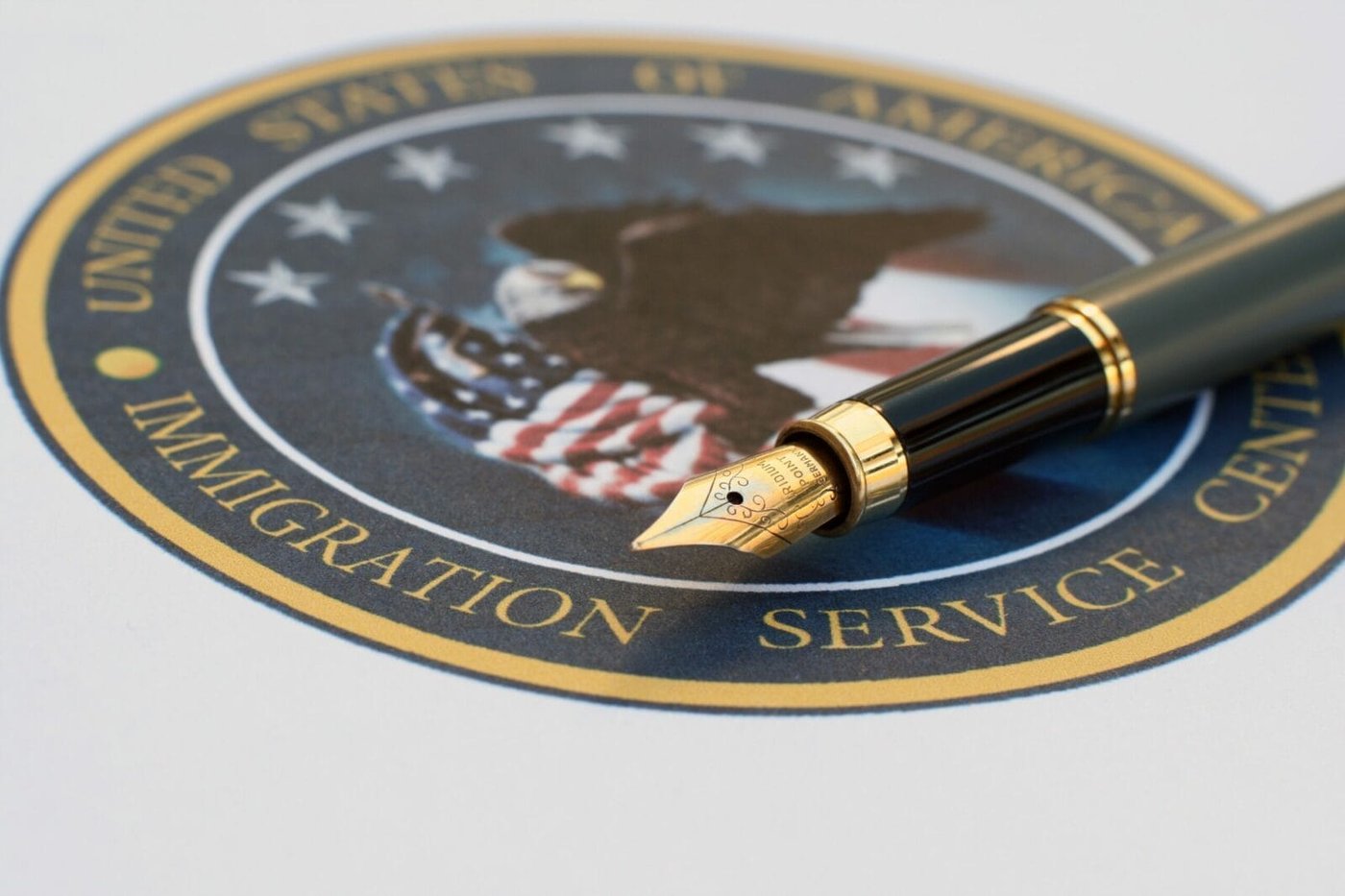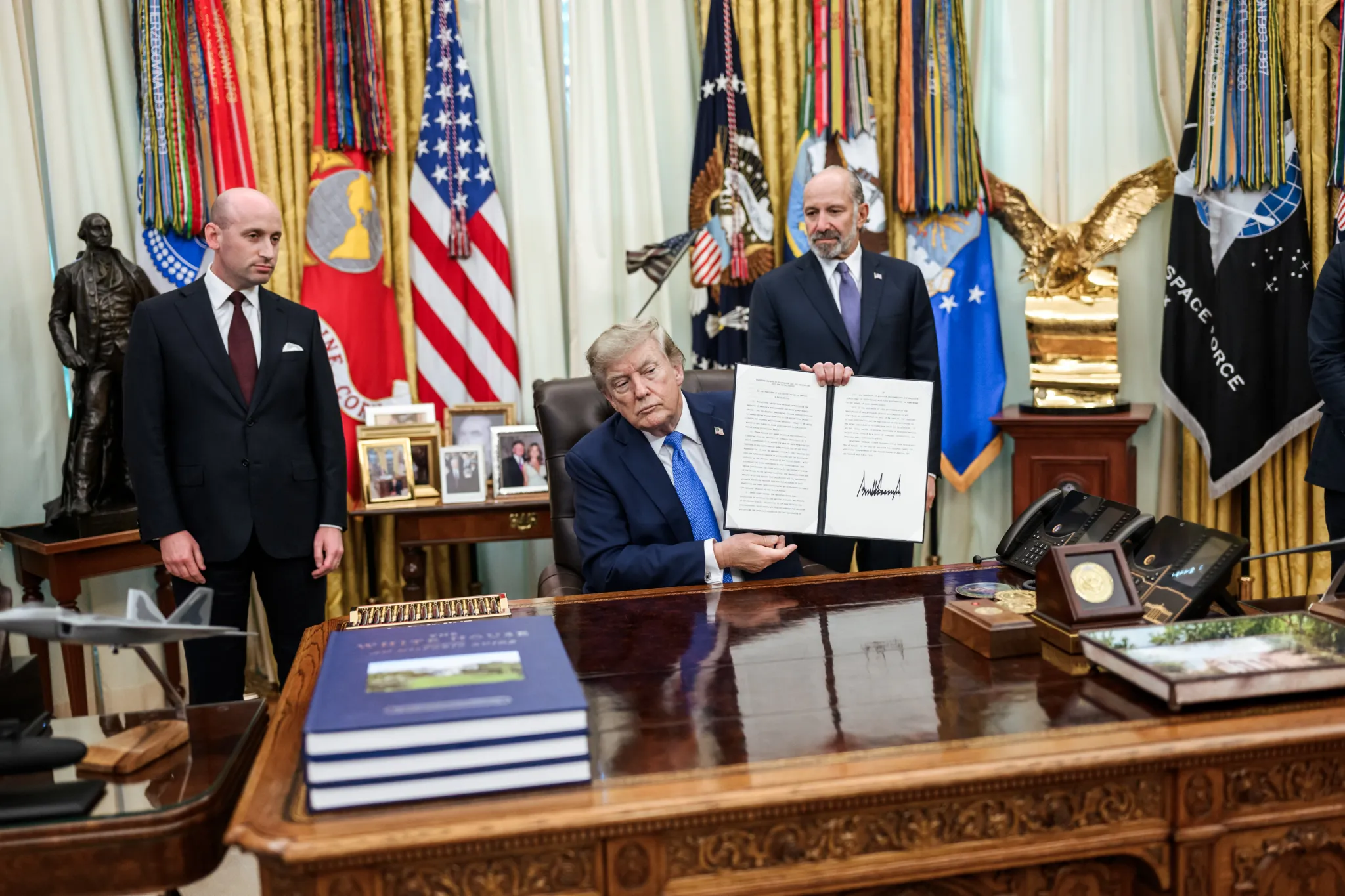








WASHINGTON, D.C. — U.S. immigration authorities have introduced a new layer of scrutiny for certain applicants, directing officers to treat evidence of “anti-American” activity as a heavily negative factor when deciding whether to grant immigration benefits.
On August 19, 2025, the U.S. Citizenship and Immigration Services (USCIS) announced it has updated its Policy Manual to make “anti-American” ideologies or conduct an “overwhelmingly negative” factor in cases that require the agency to exercise discretion. The guidance took effect immediately and applies to both pending and new applications.
What the policy covers
The agency referenced Section 313(a) of the Immigration and Nationality Act (INA), a statute in place for decades that bars naturalization for individuals who advocate the overthrow of the U.S. government, support totalitarian forms of rule, or are affiliated with groups that teach such doctrines. The policy does not create a new law but guides officers in how to weigh such activity when exercising discretion.
Naturalization review
Separately, on August 15, 2025, USCIS issued a memorandum on naturalization cases, requiring a more “rigorous, holistic, and comprehensive” evaluation of good moral character. While statutory bars remain unchanged, this directive signaled closer scrutiny of applicants’ conduct and affiliations during the citizenship process.
Implications
Under the new guidance, applicants who have promoted or supported anti-American views, including on social media, may face denials even if they otherwise meet the baseline eligibility requirements for a benefit. USCIS emphasized that immigration benefits are “a privilege, not a right.”
Reactions
Immigration lawyers and advocates note that while the policy draws on existing law, the term “anti-Americanism” is not precisely defined in the manual. Critics warn this could lead to subjective interpretations and raise free-speech concerns. Supporters argue the update strengthens national security by ensuring individuals hostile to U.S. values cannot gain discretionary immigration relief.
What this means going forward
Immigrants seeking to live, work, or invest in the United States now face explicit “anti-Americanism” screening in USCIS discretionary adjudications. The directive does not alter statutory grounds of eligibility but signals a significant tightening of administrative vetting, with its scope, especially in expanded social media monitoring, still unfolding as officers implement the policy.