




WASHINGTON — A staffing strain at U.S. airports has intensified as a partial shutdown affecting the Department of Homeland Security (DHS) is now in its second month, prompting federal authorities to reassign personnel to assist with airport operations.
Approximately 50,000 Transportation Security Administration (TSA) employees have been working without pay since mid-February, based on federal workforce estimates tied to the funding lapse. The disruption has contributed to increased absenteeism and operational delays at several major airports, raising concerns about system resilience during prolonged funding interruptions.
The shutdown remains linked to a legislative impasse in Washington over DHS appropriations, with disagreements centered on election-related provisions included in broader funding negotiations. No final measure to restore full funding had been approved as of press time.
Federal personnel reassigned to support airport operations
Federal officials confirmed that personnel from agencies under DHS, including U.S. Immigration and Customs Enforcement (ICE), have been temporarily reassigned to assist with non-screening functions at select airports beginning Monday, March 23.
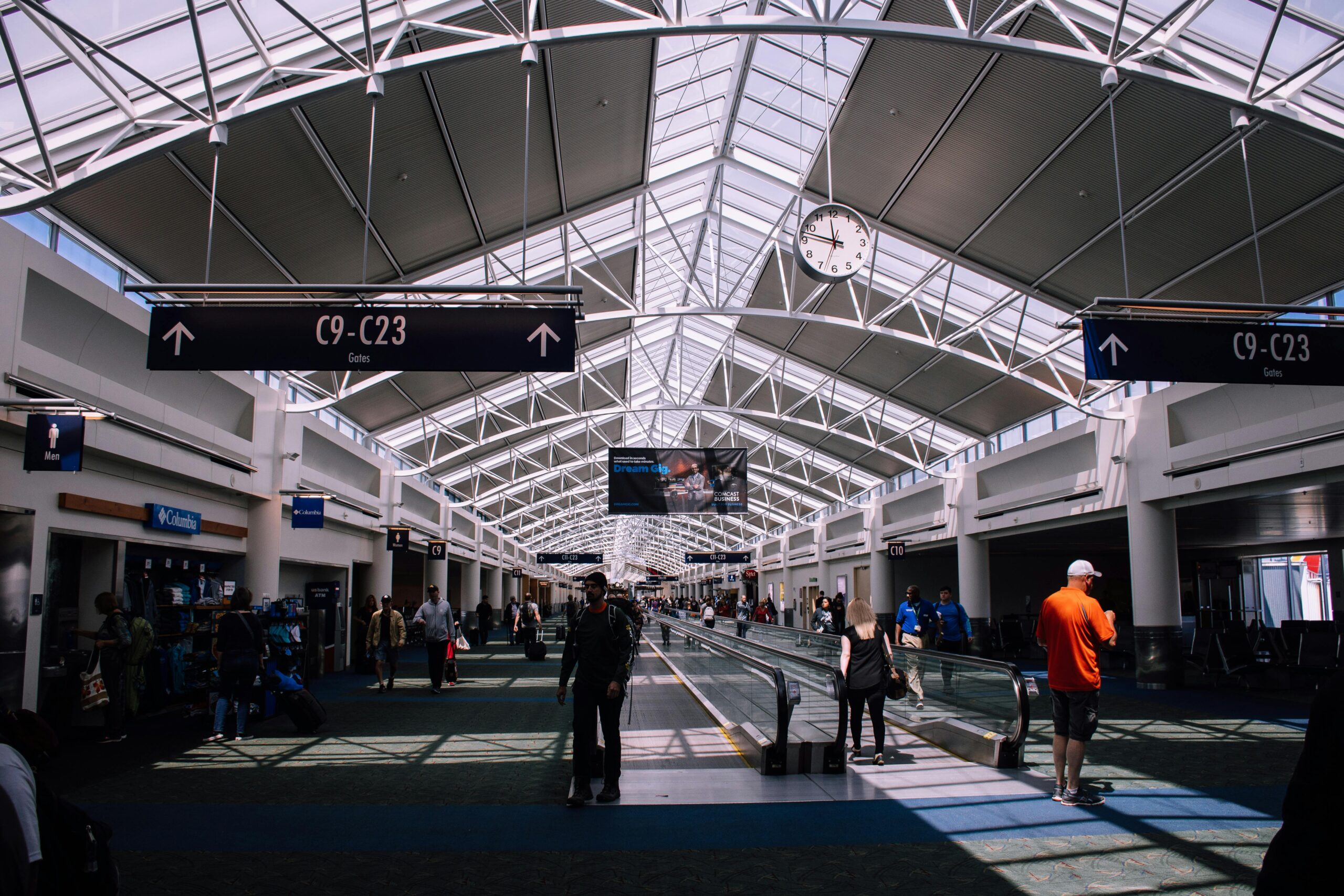
According to administration officials, these personnel are tasked with logistical support roles such as managing passenger flow and assisting with crowd control. They are not authorized to conduct TSA screening procedures, which require specialized certification and training.
The reassignment covers multiple major airport hubs across the United States, including facilities in New York, New Jersey, Georgia, Texas, Illinois, Arizona, and Pennsylvania.
Local officials in several jurisdictions stated that the presence of reassigned federal personnel is intended to support airport operations rather than conduct immigration enforcement. The move, however, has drawn scrutiny from labor organizations and civil liberties advocates, who have raised concerns about role clarity and public perception.
Rising absenteeism strains airport operations
Data released by DHS indicates that TSA absenteeism has increased during the funding lapse, with a reported national rate reaching 11.8% over the weekend, the highest level recorded since the shutdown began.
Airport-specific impacts have varied:
- Houston (William P. Hobby Airport): Officials reported elevated absentee rates contributing to extended wait times at security checkpoints.
- Phoenix Sky Harbor International Airport: Reduced staffing led to the temporary closure of some screening checkpoints.
- New York (LaGuardia Airport): Operations were further strained following a ground incident involving a vehicle and an aircraft, according to federal transportation officials.
The National Transportation Safety Board (NTSB) confirmed that investigative personnel experienced delays entering secure areas, underscoring broader access challenges during peak congestion.
Labor concerns over staffing substitutions
Labor representatives have raised concerns about the use of reassigned personnel who are not trained for TSA-specific roles.
Everett Kelley, president of the American Federation of Government Employees, said that while support staff may assist with general operations, aviation security functions require certified personnel and should not be supplemented by untrained substitutes.
Aviation analysts note that while crowd management support may help ease visible congestion, it does not directly increase screening capacity, which depends on trained TSA officers.
Operational outlook amid prolonged funding gap
Lawmakers continue negotiations over DHS funding, though no immediate resolution has been announced. In the interim, federal agencies are expected to maintain temporary staffing adjustments to manage airport operations.
Transportation officials have advised travelers to allow additional time at security checkpoints and monitor airport advisories as conditions evolve.