






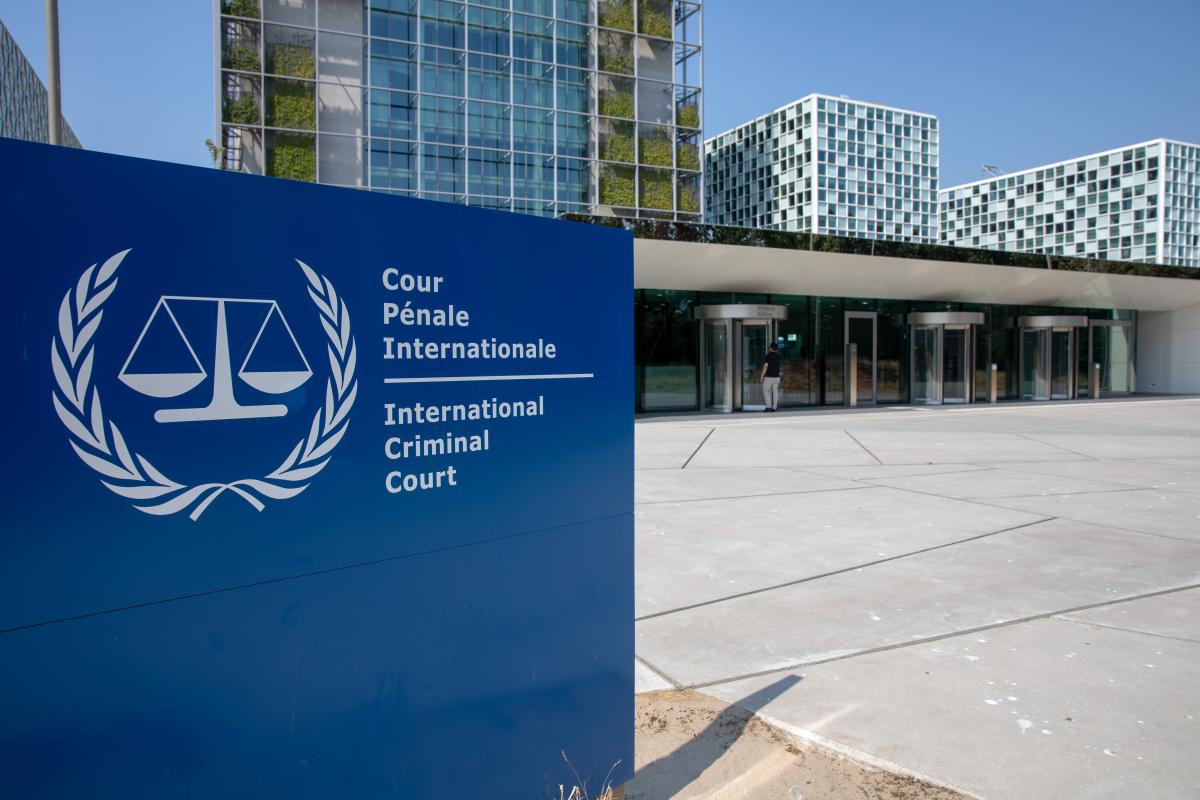
The Hague-based court posted language-service openings as proceedings against the former Philippine president move toward a scheduled Nov. 30 trial.
THE HAGUE — The International Criminal Court is seeking Filipino and Cebuano language specialists as it prepares for the scheduled trial of former Philippine President Rodrigo Duterte, who faces charges tied to alleged crimes against humanity during his administration’s anti-drug campaign.
The court has posted openings for Filipino, Tagalog and Cebuano language-service personnel, including interpreter roles based in The Hague. The positions fall under the ICC’s language services operations, which support courtroom proceedings, witness testimony, records, transcripts and related legal materials.
The postings come as the court moves toward the opening of Duterte’s trial on Nov. 30, 2026, in the case of The Prosecutor v. Rodrigo Roa Duterte. The date was set by the ICC Trial Chamber after the confirmation stage of the case.
The language roles involve interpreting court proceedings and witness testimony, including material that may cover legal, political, medical, forensic, military and human rights terminology. Duties may also include preparing terminology lists, reviewing statements, translating or proofreading documents, correcting transcripts and supporting the court’s language services section.
The need for Filipino and Cebuano interpretation reflects the likely evidentiary and testimonial demands of a case rooted in events in the Philippines. ICC proceedings are conducted in English and French, but the court uses interpretation and translation services when witnesses, defendants, counsel, victims or affected communities use other languages.
Duterte, who served as Philippine president from 2016 to 2022 and earlier as mayor of Davao City, is accused by ICC prosecutors of crimes against humanity over alleged killings linked to anti-drug operations during his time in local and national office.
The former president has denied wrongdoing. The allegations remain pending before the court, and Duterte is presumed innocent unless proven guilty.
The case has drawn sustained attention in the Philippines and abroad because of the scale and political significance of the anti-drug campaign. Thousands were killed in police anti-drug operations and related violence, according to official figures and human rights estimates, though the precise death toll remains disputed.
The interpreter postings do not change the legal status of the case. They form part of the court’s administrative and logistical preparations for trial, including the need to ensure that proceedings can be conducted and understood across the languages relevant to the case.