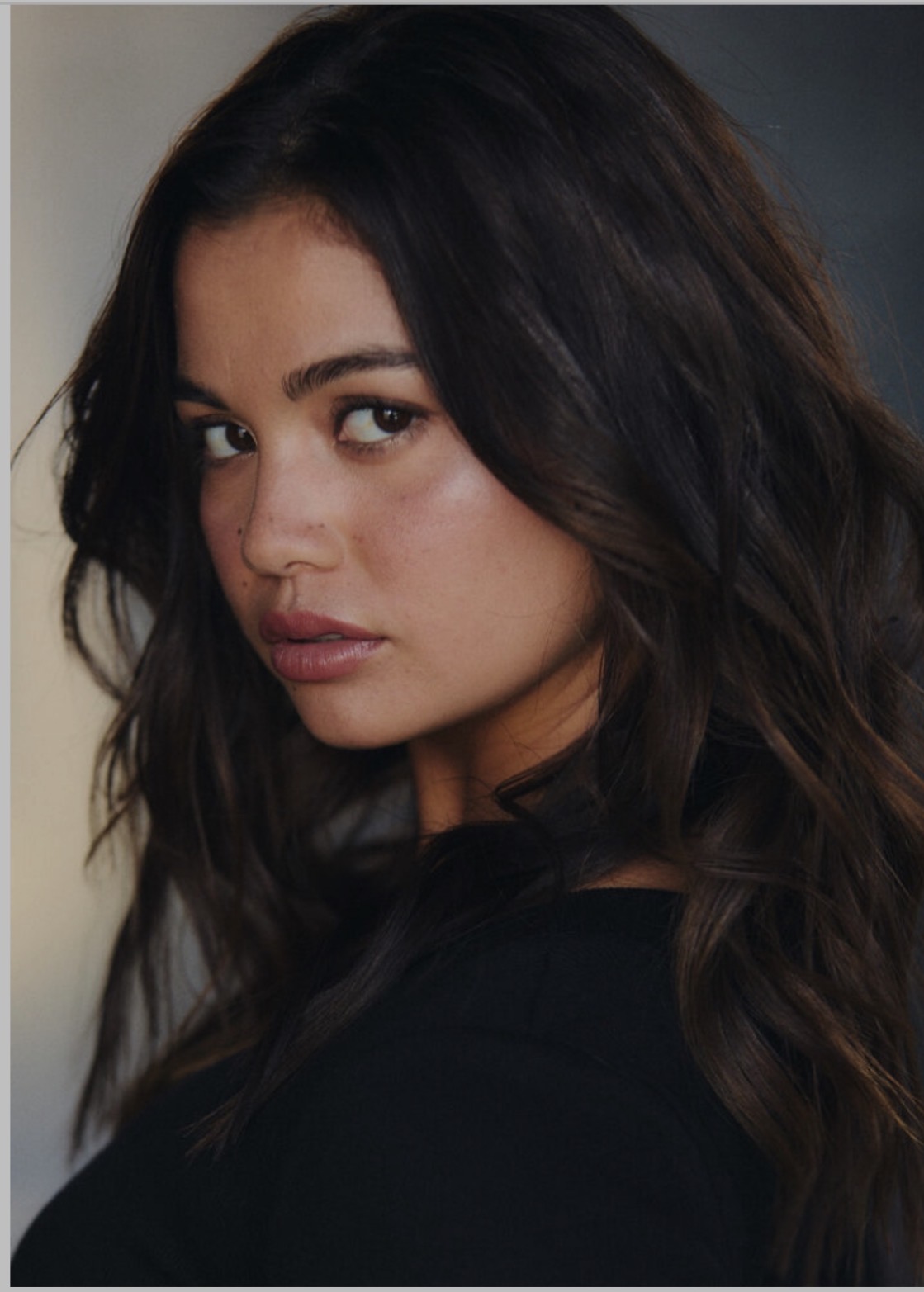






The imagery of the “good life” often associated with privilege and dynastic wealth: designer outfits and handbags, luxury cars, gourmet dining, jet-setting around the world in private planes and even helicopters to beat Manila’s traffic. (Model used for illustrative purposes in private jet photo.)
As the flood control scandal continues to unravel, public backlash has turned the spotlight on the children of contractor and political families, branded online as “Disney princesses” and “nepo babies” amid growing calls for accountability.
The ₱545 billion flood control scandal has laid bare not only the tangled web of contractors and public officials but also the families who live within their shadow. As Senate hearings and investigations continue, the children of these clans have become unexpected symbols of privilege. Their curated social media lives have been turned into viral images of excess, sparking the labels “Disney princesses” and “nepo babies.”
The face of the backlash
Among the most cited is Claudine Julia Monique Co, daughter of businessman Christopher “Kito” Co and niece of former Ako Bicol Rep. Elizaldy “Zaldy” Co. Her online presence, which once featured luxury travel, designer labels, and glimpses of private jets, drew sharp reactions when her family’s companies appeared in lists of top contractors flagged by investigators.
Netizens contrasted her lifestyle with the plight of communities left vulnerable to flooding. Amid mounting criticism, Claudine restricted access to her social media pages, but not before her posts circulated widely.
Her situation captured the public mood. For critics, she represented the disconnect between dynastic privilege and the everyday struggles of citizens. For supporters, she became an easy target of digital outrage. Either way, her image has become part of the scandal’s cultural narrative.
A wider circle
Other relatives of the Co family also faced scrutiny, though less directly. Siblings and cousins retreated from public platforms as old photos resurfaced in online discussions about wealth and inequality.
The lens widened to include Lemuel Lubiano, Claudine’s boyfriend. Online users linked his lifestyle to his father’s company. His father, Lawrence Lubiano, heads Centerways Construction and Development, one of the firms identified in Senate hearings as a major flood control contractor. While Lemuel has not been accused of wrongdoing, his posts showing sports cars and high-end fashion placed him in the same conversation about generational wealth and access.
The scandal deepens
Senate hearings have intensified the controversy. Contractors Pacifico and Sarah Discaya testified that at least 17 lawmakers and several officials allegedly demanded 25 percent kickbacks on flood control projects. Former engineers also described contracts in Bulacan that were overpriced or substandard so that cuts of 20 percent or more could be funneled into political channels.
The government has reportedly frozen ₱180 billion in funds tied to key figures, while the Department of Justice has issued lookout orders for more than 40 individuals linked to the scheme. Twenty-one people, including sitting legislators, were recommended for further investigation or possible prosecution.
The fallout has reached Congress. Zaldy Co resigned from the House of Representatives in the midst of growing political and public pressure. At the Department of Public Works and Highways, Secretary Manuel Bonoan stepped down and was replaced by Vince Dizon, who has promised sweeping reforms, contract reviews, and blacklisting of suspicious firms.
The digital framing of privilege
Against this backdrop, the terms “Disney princess” and “nepo baby” have gained traction. They are not official designations but products of online culture, borrowed from global debates about nepotism and applied to the Philippine context where political and business families dominate.
The “Disney princess” metaphor mocks the contrast between fairy-tale glamour and real-life hardship. Protest placards, satirical memes, and hashtags have transformed these young figures into shorthand for privilege enjoyed while ordinary citizens face devastating floods.
Public perception
The focus on influencers and relatives is not about legal responsibility. None of these young figures have been charged in connection with the flood control projects. What their stories reveal is the cultural tension between privilege and accountability. Their online personas, whether curated or casual, have become symbols of a deeper grievance.
In a country long weary of corruption scandals, the spotlight on families highlights how dynasties pass down advantages across generations. The narrative of “Disney princesses” and “nepo babies” has resonated precisely because it personalizes what might otherwise be seen as abstract numbers and contracts.
Awaiting accountability
The investigations continue, and responsibility will be determined by the courts and oversight bodies. Yet in the arena of public opinion, the verdict is already forming. Satire and social media have ensured that the faces of privilege are etched into the scandal’s memory.
Some of the children of power did not choose the spotlight, but they now all embody the larger question facing Philippine society: how much longer can inherited influence insulate families from accountability while the public shoulders the cost?