



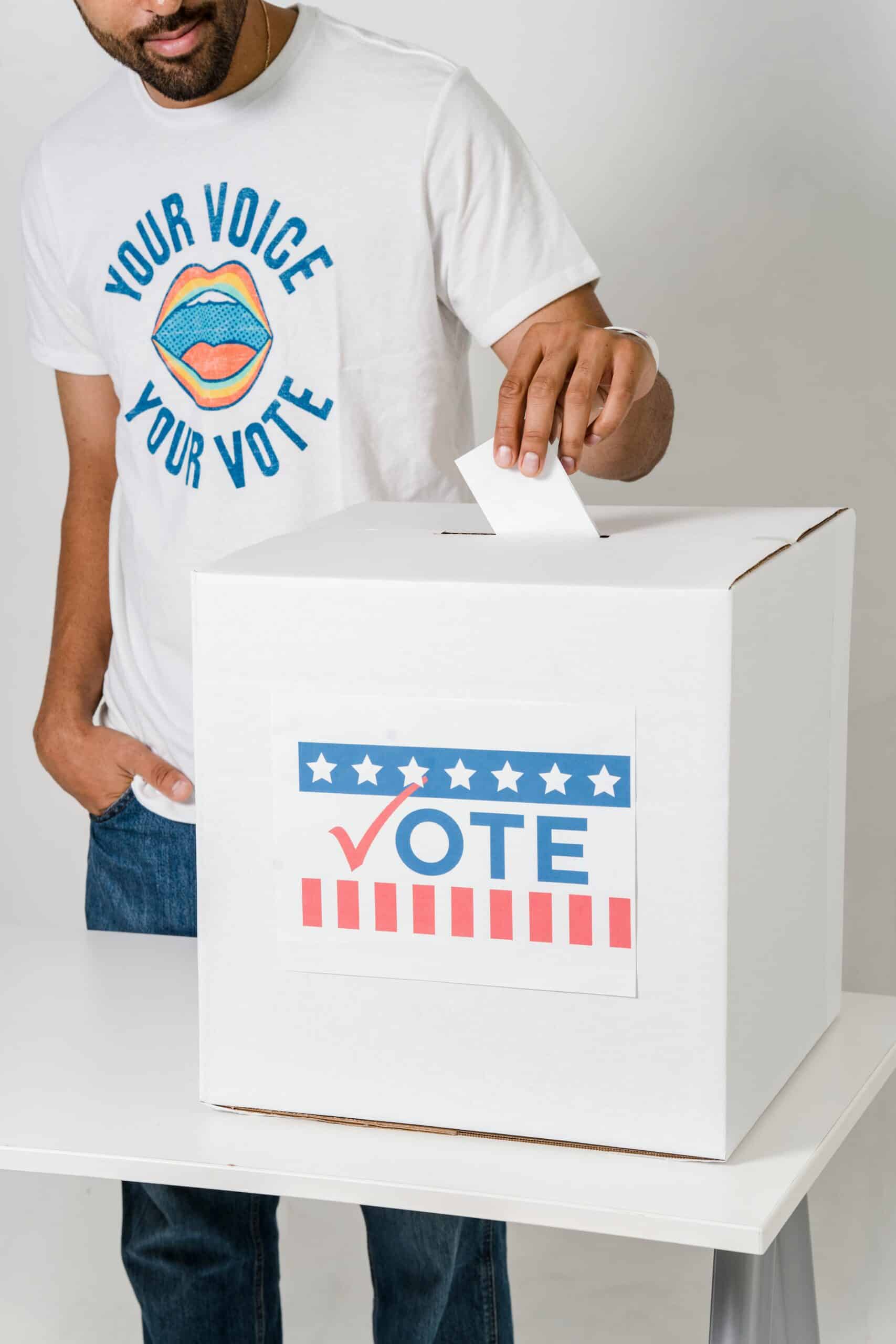
The most consequential elections in America are not always the ones that draw the largest crowds, loudest rallies or most dramatic headlines. Often, the choices that shape public life are made earlier and more quietly, in primary elections, when candidates are narrowed, party direction is tested and the names that appear on the general election ballot are decided.
That is why the primary election deserves more than casual attention. It is not a political warm-up. It is not merely a rehearsal for November. In many races, especially in districts dominated by one party or in states with top-two primary systems, the primary may be the decisive contest. By the time the general election arrives, many meaningful choices may already have been made.
For Filipino Americans, Asian Americans, immigrants, young voters, workers, business owners, parents and seniors, the question is not whether politics feels inspiring every election year. The question is whether we can afford silence when decisions are being made about schools, health care, immigration policy, housing, public safety, small businesses, taxes, transportation, climate resilience, civil rights and the cost of living.
Voting is not only about choosing a president. It is also about choosing city council members, county supervisors, sheriffs, judges, school board members, state legislators, members of Congress and governors. These offices decide the everyday architecture of civic life: how safe neighborhoods feel, how schools are funded, how public money is spent, how disaster response is managed, how immigrants are treated and how communities are heard.
That is why the phrase “wherever we may be in the U.S.” matters. Civic responsibility does not end when people move from one state to another, from Los Angeles to Las Vegas, from San Francisco to New York, from San Diego to Houston, from New Jersey to Florida. Democracy is local before it is national. The ballot changes by zip code, but the responsibility remains.
For immigrant communities, the act of voting carries a layered meaning. Many came from countries where political power was inherited, purchased, manipulated or reserved for the connected. Some carry memories of elections shaped by patronage, fear or dynasties. Others grew up believing government was something to endure rather than something to help shape.
America is imperfect. Its democracy is often noisy, expensive, polarized and frustrating. But the vote remains one of the few equal instruments available to the ordinary citizen. A wealthy donor and a new citizen standing in line at a polling place do not have equal influence in every part of public life. But on the ballot itself, each qualified voter receives one vote.
That vote should not be surrendered lightly.
The quiet danger of primary elections is this: those who stay home still live with the outcome. A renter who does not vote still faces housing policy. A small-business owner who does not vote still faces taxes and regulation. A parent who does not vote still sends children to schools shaped by elected boards. A worker who does not vote still depends on wage laws, transportation systems and health policies. A community that does not vote may later wonder why candidates do not speak its language, visit its neighborhoods or understand its concerns.
Political influence is not given to communities because they are good, deserving or hardworking. It is built through participation. Candidates listen to voters who show up. Parties study turnout. Campaigns track neighborhoods. Public officials notice which communities vote consistently and which communities can be ignored without consequence.
For Filipino Americans and other Asian American communities, visibility cannot depend only on cultural festivals, heritage months or celebratory proclamations. Representation begins with being counted, not only in the census, not only in business success, not only in professional achievement, but at the ballot box.
To vote in a primary is to say: we are not an afterthought.
It is also to reject the habit of waiting for perfect candidates. Democracy rarely offers perfection. It asks for judgment. It asks voters to compare records, priorities, temperament, integrity and competence. It asks citizens to distinguish between slogans and solutions, between charisma and character, between grievance and governance.
There are always reasons not to vote. People are busy. The ballot feels confusing. Candidates sound alike. Politics feels toxic. One vote seems too small. But history is shaped not only by sweeping movements; it is shaped by accumulated acts of participation. A few votes can decide local races. A low-turnout primary can elevate candidates who would not prevail in a broader electorate. Silence, repeated often enough, becomes surrender.
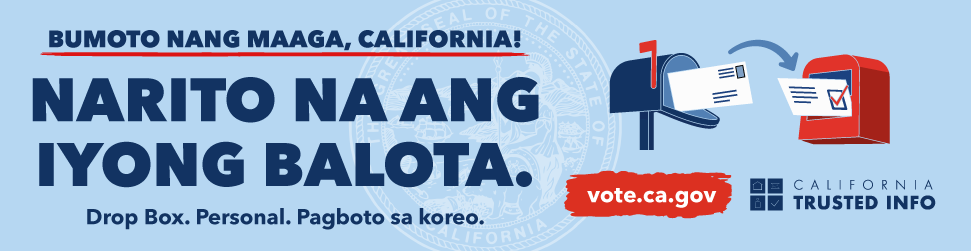
The work begins before Election Day. Check your registration. Know your state’s primary rules. Read the ballot. Study the candidates. Look beyond party labels. Ask who funds them, what they have done, what they propose and whether their plans are realistic. Help new citizens understand deadlines. Offer rides. Share official election information, not rumors. Vote early where allowed. Return mail ballots on time.
Voting is not a cure for every injustice. It will not instantly lower prices, repair institutions, end division or guarantee wise leadership. But not voting guarantees only one thing: other people will decide.
The primary election is where democracy begins to narrow its choices. It is where the public decides who is worthy of advancing, who should be entrusted with a larger platform and which ideas deserve to move forward. To skip that moment is to arrive late to a decision already made.
The stakes are not abstract. They are the schools our children enter, the streets we drive on, the hospitals we depend on, the businesses we build, the rights we exercise, the courts we face, the taxes we pay, the neighborhoods we call home and the future we leave behind.
Wherever we may be in the United States, the obligation is the same: register, learn, vote and help others vote.
Because democracy does not only ask what we believe.