







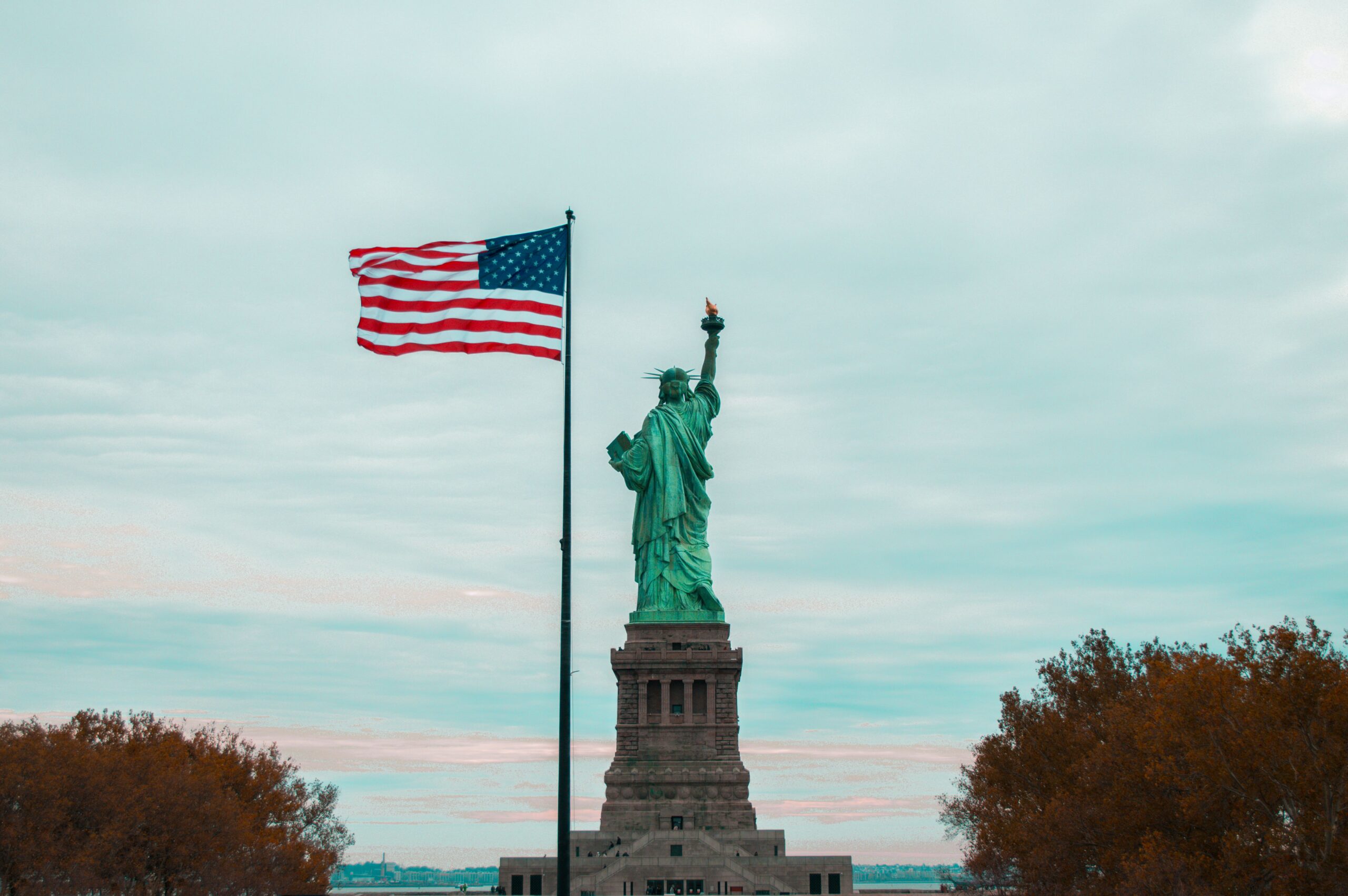
The nation’s anniversary should be more than a celebration of American achievement. It should also measure how faithfully the country has kept the principles it declared in 1776.
On July 4, the United States marks 250 years since the Second Continental Congress adopted the Declaration of Independence. Fireworks, concerts, flags and ceremonies will honor a nation whose institutions, industries, universities, military and culture have profoundly influenced the world.
The anniversary, however, should invite more than national pride. It should prompt an honest examination of the country America became and the work still required to bring its conduct closer to its ideals.
The Declaration advanced a revolutionary proposition: People possess unalienable rights, and government derives its legitimate authority from the consent of the governed. Yet the nation formed around those principles did not initially extend them to everyone. Slavery remained entrenched. Indigenous peoples were displaced and dispossessed. Women had no vote. Citizenship and political participation were restricted by race, sex, property ownership and legal status.
America did not begin as a finished democracy. Its enduring achievement is that its founding ideals established a standard by which the nation could be judged and gave excluded people a language with which to claim their place within it.
The abolition of slavery, constitutional guarantees of citizenship and equal protection, women’s suffrage, civil rights protections and the widening of political participation were not inevitable. They were secured through sacrifice, organizing, litigation, legislation and public courage. Each advance brought the country closer to the principles it had proclaimed, even as equality remained incomplete.
At 250, the United States remains powerful, inventive and capable of extraordinary generosity. It has endured civil war, economic depression, foreign attacks, social upheaval and bitter political transitions. But endurance should not be confused with invulnerability.
A constitutional system depends on more than written law. It requires respect for truth, lawful processes and limits on power; protection of dissent and a free press; equal justice; and a willingness to regard political opponents as fellow Americans rather than enemies. When those standards weaken, public trust erodes and government becomes less capable of addressing common problems.
The anniversary should therefore be an occasion for national renewal. Patriotism is neither blind approval of government nor hostility toward criticism. It is a commitment to the country strong enough to recognize achievement, confront failure and insist that public institutions meet the standards the nation claims to uphold.
Filipino Americans have a distinct place in this history. The relationship between the Philippines and the United States was shaped by colonial rule, migration, war, labor and family. Filipino farmworkers were central to the 1965 Delano grape strike and the broader struggle for agricultural labor rights. About 260,000 Filipino and Filipino American soldiers served under United States command during World War II, while many veterans and their families spent decades seeking recognition and benefits commensurate with that service.
Later generations strengthened American life as nurses, physicians, teachers, entrepreneurs, military personnel, public officials, artists, journalists and community leaders. Their experience reflects a larger truth: America has never been shaped by one ancestry, one faith or one route of arrival. It has been continually remade by people who inherited its freedoms, fought to enlarge them or came believing those freedoms could include them.
This history should neither be romanticized nor reduced to injustice alone. Celebration without honest reflection becomes mythology; criticism that cannot recognize progress becomes cynicism. A mature national identity must be capable of holding achievement and failure together.
The United States should honor the courage that produced independence, the Constitution that organized the republic, those who defended the country and the generations that expanded the meaning of American freedom. But the strongest tribute to 1776 is not to declare the promise of equality complete. It is to preserve the principles that make further progress possible.
Two hundred fifty years after independence, America remains an unfinished undertaking. Its future will depend less on the grandeur of this year’s observances than on whether its people continue to defend lawful government, equal citizenship, honest public debate, shared responsibility and liberty for all.