






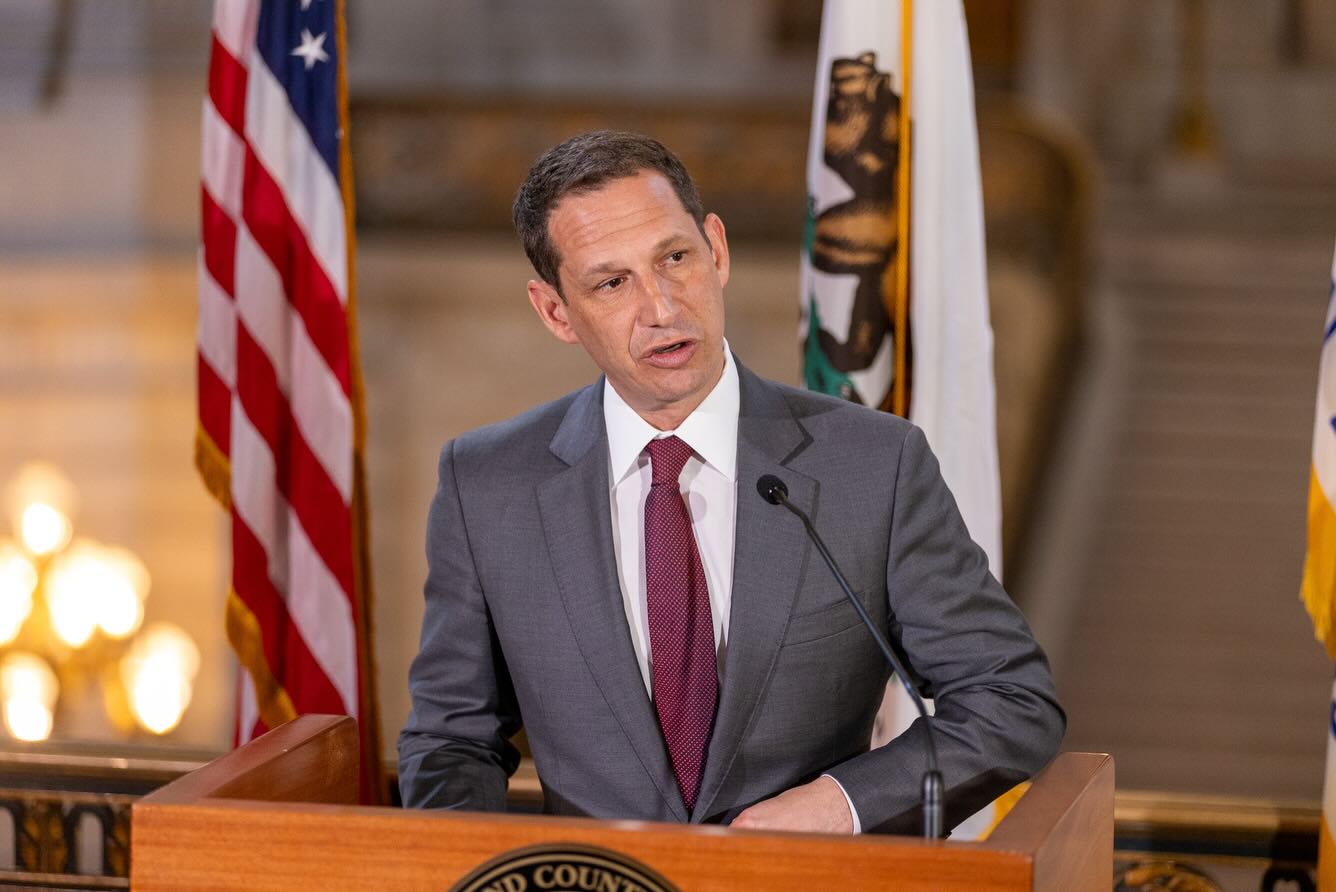
photo credit image from Facebook/@danielluriesf
SAN FRANCISCO — Mayor Daniel Lurie on Tuesday introduced a sweeping legislative package to dismantle the city’s “bureaucratic labyrinth,” targeting red tape for small businesses and homeowners. The move is a central pillar of the PermitSF initiative, designed to accelerate the city’s post-pandemic economic recovery.
The reforms prioritize three high-impact areas: streamlining special events, aligning residential safety codes, and advancing a total departmental consolidation.
Cutting Event Red Tape
A primary target is the permitting of neighborhood block parties and street fairs. Historically, even minor gatherings required months of planning and mandatory public hearings. Under the new rules, approximately 50% of applicants, those closing no more than three blocks without affecting transit routes, will move to a streamlined administrative approval process.
“We are taking another step to get rid of the nonsense and focus on common sense,” Mayor Lurie stated, noting the shift will cut weeks off approval timelines.
Safety and Structural Alignment
The legislation also synchronizes local deck and balcony inspection timelines with California state laws (SB 721 and SB 326). By aligning with the state’s six-year cycle, the reform eliminates duplicative inspections and fees for multi-unit buildings, saving owners thousands while maintaining safety standards.
Departmental Consolidation
In a long-term structural shift, the Mayor plans to merge the Department of Building Inspection, the Planning Department, and the Permit Center into one centralized authority. This consolidation is slated for the November 2026 ballot as a Charter Amendment, aiming to resolve fragmented oversight and incompatible software systems.

The Asian Journal Media Center curates information disseminated from both the public and private sector throughout the World. The media center publishes a collection of the World’s most newsworthy topics set forth by our editorial board. Stories that our team of journalists believes are critical, vital, and entertaining information that aspires to help the Global Filipino community make well-informed decisions, opinions, and actions. Our Media Center believes that a well-informed and well-rounded society is a thriving society.