






Mayor Zohran Mamdani’s administration says the program will use public sites and private grocery operators to lower costs on staple goods in selected neighborhoods
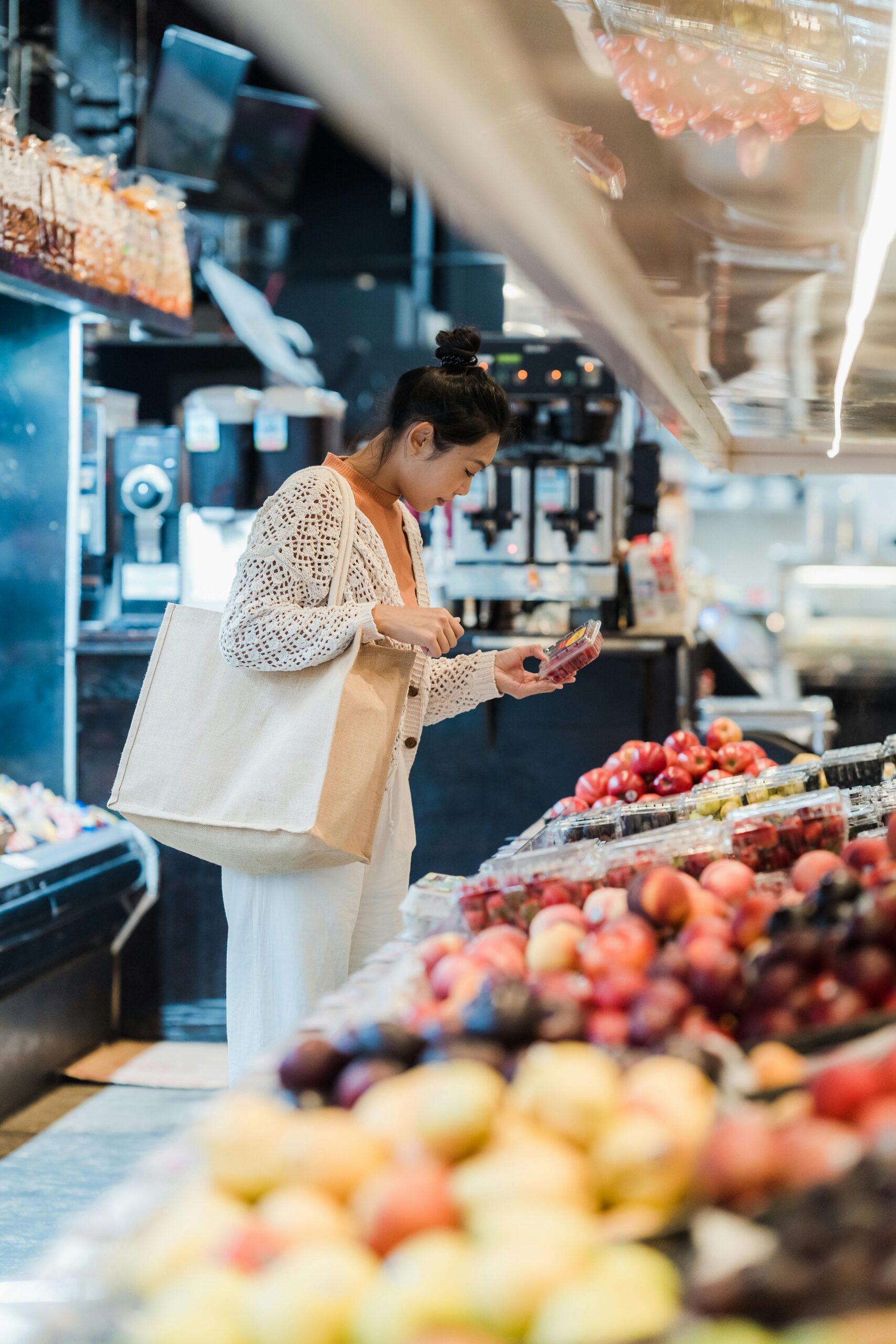
NEW YORK — New York City is moving forward with a municipal grocery-store program that will test whether public ownership of retail space can help lower the cost of basic food staples in neighborhoods where grocery access and affordability remain persistent concerns.
The program, called N.Y.C. Groceries, is being led by the New York City Economic Development Corporation. The city has committed $70 million in capital funding to support construction and fit-out costs for five grocery stores, one in each borough, with priority given to city-owned sites.
City officials have identified two locations so far. La Marqueta in East Harlem was the first site publicly announced, with a 9,000-square-foot grocery store expected to open in 2029. The Peninsula in Hunts Point in the Bronx was later named as the second site and is expected to open earlier, in 2027, as a 20,000-square-foot store within a larger redevelopment of the former Spofford Juvenile Detention Center.
Although the proposal has been widely described as a city-owned grocery model, its structure is not a traditional government-operated supermarket system. City materials say New York will select experienced grocery operators through a competitive procurement process while retaining public-interest controls over pricing, affordability, labor standards, operations and reporting.
The initiative comes as grocery costs remain a pressure point for households. The U.S. Department of Agriculture’s April 2026 food-price outlook projected food-at-home prices to rise 2.4% this year, while overall food prices were projected to increase 2.9%.
The broader impact remains uncertain. Five stores cannot determine grocery prices across New York, much less across the United States. Grocery costs are shaped by supply chains, transportation, labor, energy, wholesale markets and weather-related disruptions.
Supporters see the program as a public option for groceries. Business groups and some grocers have raised questions about cost, competition with existing neighborhood retailers and whether a subsidized model can be sustained beyond its pilot phase.