



Manila seeks a reduction from 12.5 percent to 10 percent as Washington reviews a new Philippine mechanism for blocking goods produced through forced labor
MANILA — The Philippines is pressing the United States to reduce a new tariff on covered Philippine goods from 12.5 percent to 10 percent after Manila established an import-control system intended to address the concern at the center of a U.S. trade investigation.
As of Aug. 7, the Office of the U.S. Trade Representative had not announced a reduction in the Philippine rate, leaving the additional 12.5 percent Section 301 tariff in effect for covered products, subject to exemptions.
The U.S. action did not determine that Philippine exports were produced with forced labor. Instead, USTR found that the Philippines had failed to impose and effectively enforce a prohibition on imports entering the Philippines that were produced wholly or partly through forced labor.
Washington opened investigations into 60 economies in March and announced its final tariff action July 23. Seventeen economies received a 10 percent rate because they had imposed qualifying forced-labor import prohibitions, made relevant commitments under trade arrangements with the United States or established partial systems restricting such goods. Other investigated economies, including the Philippines, were assigned a 12.5 percent rate.
The U.S. framework also allows countries to move into the lower-rate group after taking additional action. Cambodia, Guatemala, Honduras, India, Sri Lanka and Trinidad and Tobago adopted forced-labor import prohibitions after USTR’s initial findings and received the 10 percent rate. Jordan also qualified after making a related trade commitment.
The Philippine government is seeking similar consideration.
On July 23, the departments of Trade and Industry, Finance, and Labor and Employment signed a joint administrative order establishing procedures for investigating and prohibiting imports produced wholly or partly through forced labor.
The order created an interagency committee led by the Department of Trade and Industry, with representatives from the labor and finance departments, Bureau of Customs, Board of Investments and Philippine Economic Zone Authority.
The committee may investigate complaints or information involving suspected forced-labor imports and recommend appropriate action. The Bureau of Customs is responsible for implementing measures against goods determined to fall within the prohibition.
Trade Undersecretary Ceferino Rodolfo said Philippine officials were continuing discussions with USTR and had been informed that the U.S. assessment would continue. Philippine Ambassador to the United States Jose Manuel Romualdez has said Manila will seek to lower the tariff to at least 10 percent.
Malacañang maintains that Philippine law prohibits forced labor, while the Department of Foreign Affairs has said Philippine exports to the United States do not rely on forced labor. Those assertions concern domestic labor practices, however, while the specific USTR finding focused on whether the Philippines had an enforceable system to prevent foreign goods made with forced labor from entering its market.
The July 23 order was designed to address that distinction.
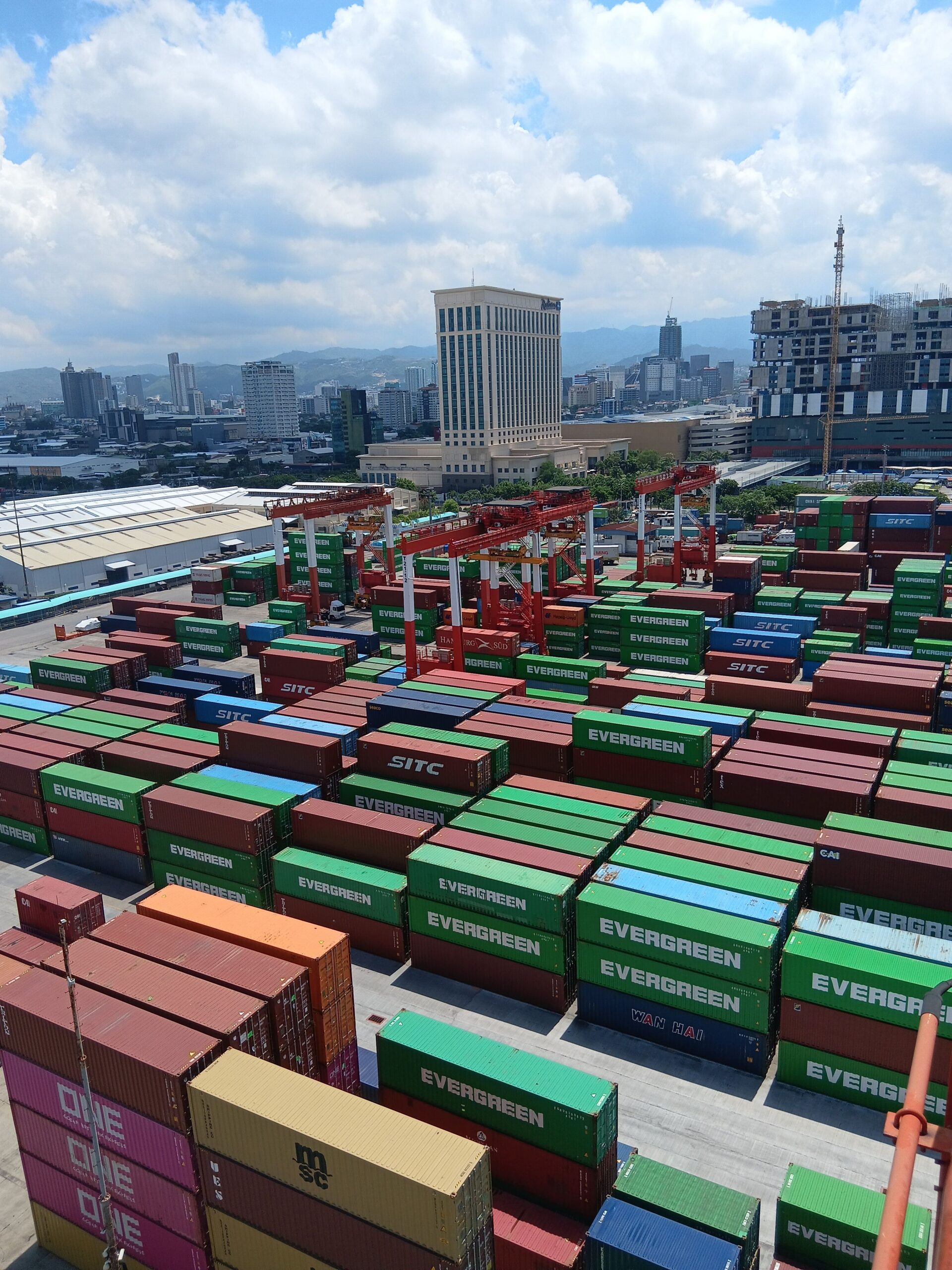
A preliminary Department of Trade and Industry assessment estimated that about 34.28 percent of Philippine exports to the United States, worth approximately $6.25 billion, could be subject to the additional tariff. Categories identified as exposed include leather and travel goods, apparel, footwear and toys. Their inclusion reflects the tariff classifications covered by the U.S. action and is not a finding that Philippine companies in those sectors use forced labor.
U.S. goods imports from the Philippines totaled $17.8 billion in 2025, while U.S. exports to the Philippines reached $9.1 billion, according to USTR.
The negotiations also have a regional competitive dimension. Indonesia and Malaysia are among the economies assigned the 10 percent rate, leaving covered Philippine goods with a 2.5-percentage-point higher Section 301 tariff than comparable covered imports from those countries.
Whether Manila can narrow that gap now depends on Washington’s assessment of the new Philippine import-control system and its enforcement.
Until USTR formally modifies the action, the additional 12.5 percent tariff remains in effect for covered Philippine goods.