




Rooted in cultural heritage and resourcefulness, the Philippines is transforming sustainable innovation into products with global appeal.
From fashion made with natural fibers to food products drawn from local biodiversity, Philippine-made goods carry stories of skilled communities, environmental responsibility and cultural continuity. Across home furnishings, fashion and food, they are helping position the country as a source of distinctive, responsibly made goods for Europe.
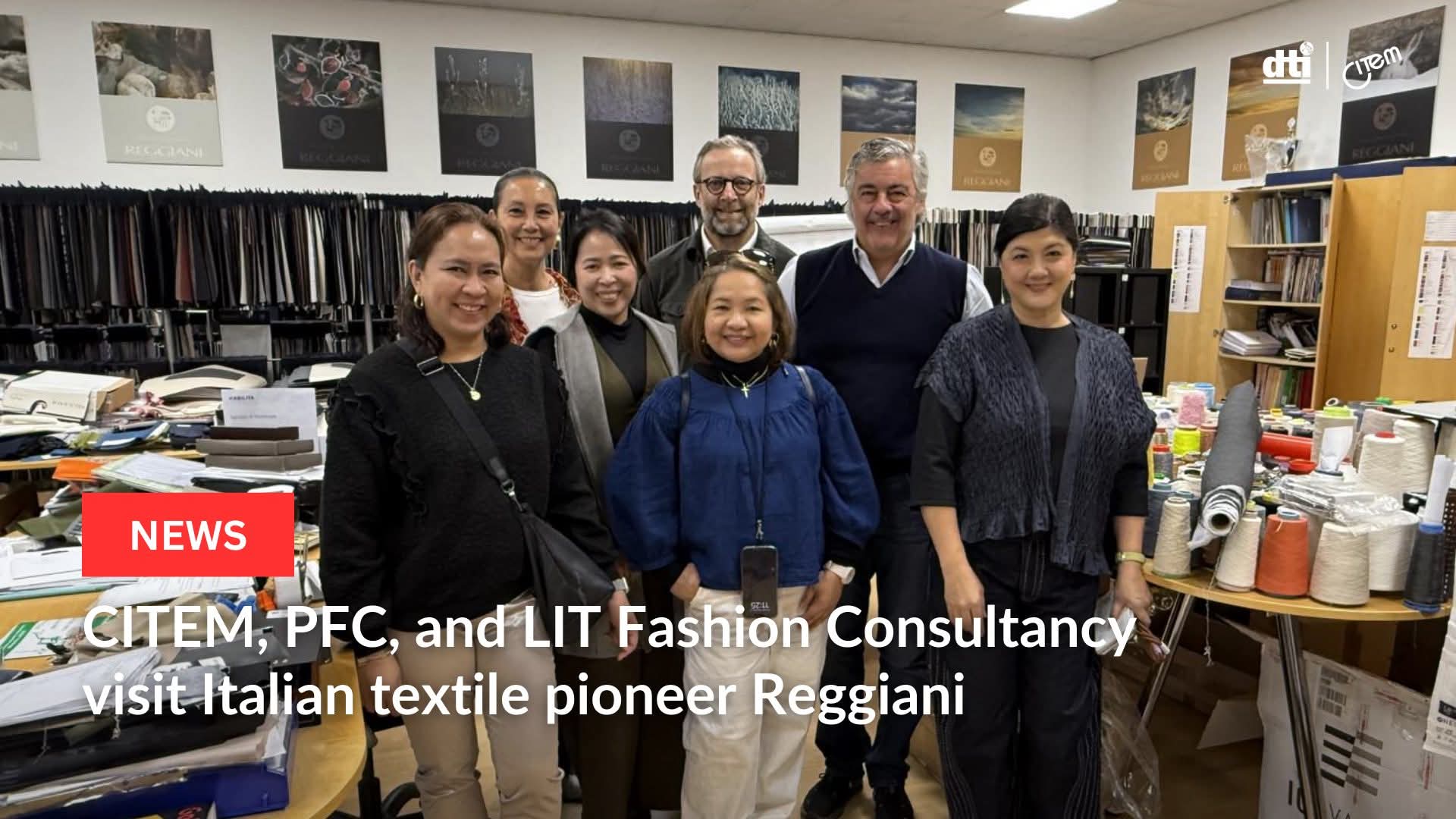
The Philippines’ presence at Ambiente in Frankfurt, Maison&Objet in Paris and Anuga in Cologne, together with the FASHIONPhilippines program in Milan, reflects a coordinated effort to bring Filipino creativity before international buyers.
Connecting with Europe’s leading trade fairs
Through the Center for International Trade Expositions and Missions, or CITEM, the export-promotion arm of the Department of Trade and Industry, the Philippines joins fairs serving the home, lifestyle, fashion and food sectors.
Together, these appearances create a visible Philippine presence across Europe’s major commercial centers.
Ambiente in Frankfurt
Ambiente is one of the world’s leading consumer-goods trade fairs. Under the DESIGNPhilippines banner, Filipino companies present home, fashion and lifestyle products combining contemporary design with indigenous and natural materials.
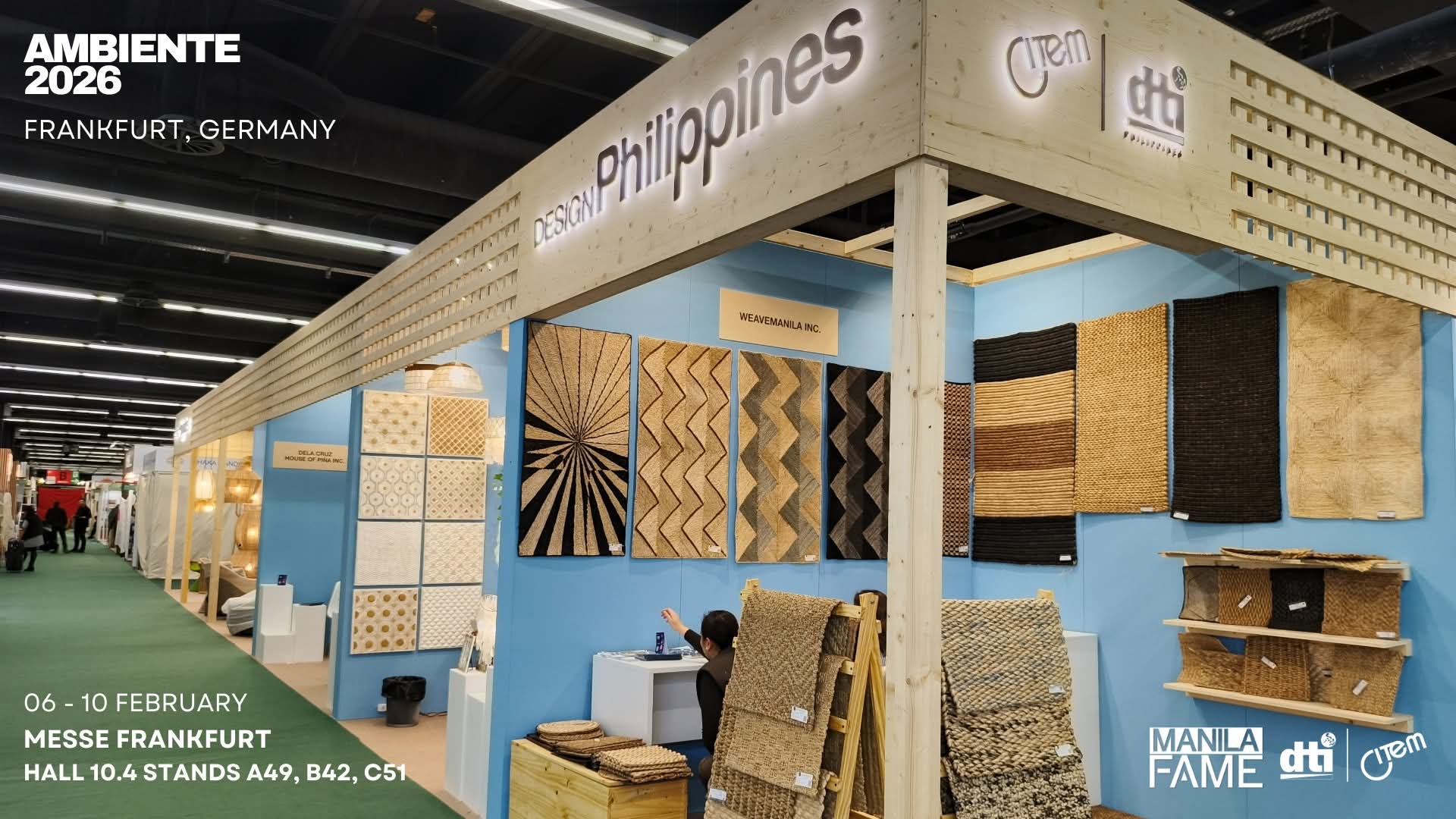
CITEM first joined Ambiente in 1990. In 2025, the country sent its largest delegation to the fair at that time: 52 enterprises, including companies and artisan groups from Quirino and the Western Visayas provinces of Aklan, Antique, Iloilo and Negros Occidental.
The pavilion featured furniture, lighting, décor and accessories made from rattan, bamboo, wood, corn husk, piña, cotton and capiz. According to CITEM, the delegation generated $4.5 million in sales during the five-day fair.
The results reflected buyer interest in natural materials, credible sustainability practices, strong craftsmanship and cultural identity. These are areas in which Philippine producers can compete on design and quality rather than volume alone.
The Philippines returned to Ambiente in February 2026, continuing its participation and studying design trends and buyer preferences.
Maison & Objet in Paris
The Philippines has also maintained a presence at Maison&Objet, the international fair for interior design, home décor and lifestyle products in Paris.
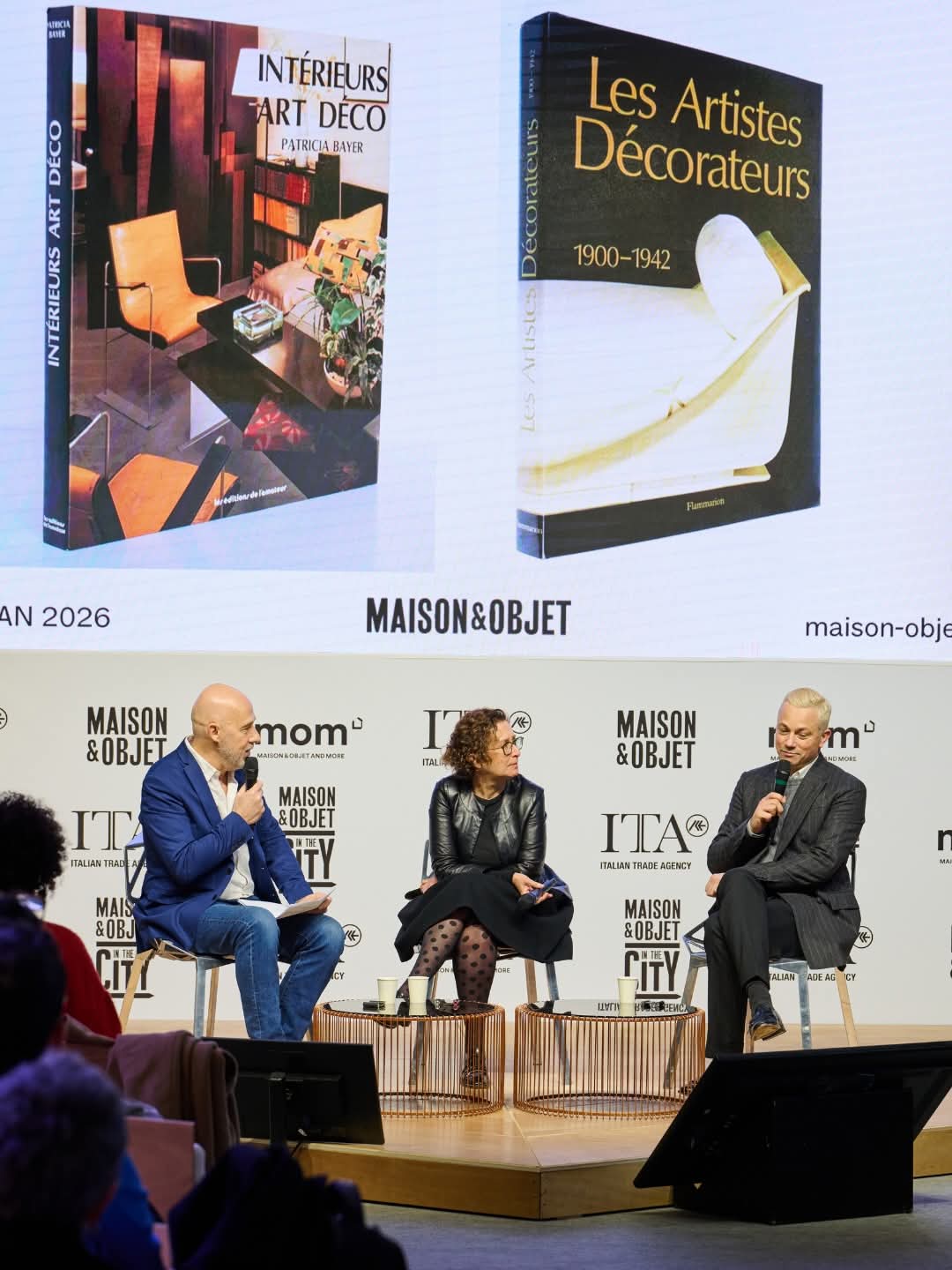
In 2024, the country returned with a pavilion for the first time since 2019. Called “Artipelago,” the presentation brought together 14 Philippine companies and works by 14 visual artists. Curated by designer Anton R. Mendoza, it placed furniture, lighting and decorative objects alongside contemporary art.
The exhibit emphasized rattan, abaca, buri, banana fiber, wood carving and solihiya weaving, showing how traditional skills could be adapted for modern interiors.
In January 2025, “Artipelago II” became the country’s largest Maison&Objet delegation, with 32 participants: 16 home and furniture manufacturers and 16 visual artists. The Philippines returned in January 2026 with “Artipelago III,” featuring 14 homegrown brands and one art gallery.
The series has allowed Philippine companies to seek orders, study European design standards, meet buyers and strengthen their international presentation.
Anuga in Cologne
The Philippine food industry has pursued a similar strategy through Anuga, one of the world’s largest food and beverage trade fairs.
CITEM participated in the October 2025 edition under the FOODPhilippines banner, presenting the country as a source of natural, organic, halal-certified and specialty food products.
The 17-member Philippine delegation offered milkfish, tuna, dried fish, shrimp paste, calamansi and coconut concentrates, fruit preserves, pili nuts, banana chips, corn snacks and preparations made from fruits, seafood and vegetables.
These products combine familiar export strengths with a culinary identity rooted in regional ingredients and traditions. The presentation also emphasized food-safety standards and certifications required for wider access to European markets.
European consumers are showing greater interest in traceable ingredients, healthier choices, sustainable sourcing and authentic cuisines. Philippine companies that meet certification, packaging, consistency and production requirements are better positioned to build commercial relationships.
FASHIONPhilippines in Milan
The launch of FASHIONPhilippines Milan marked another step in the country’s effort to enter Europe through creative development and commercial exposure.
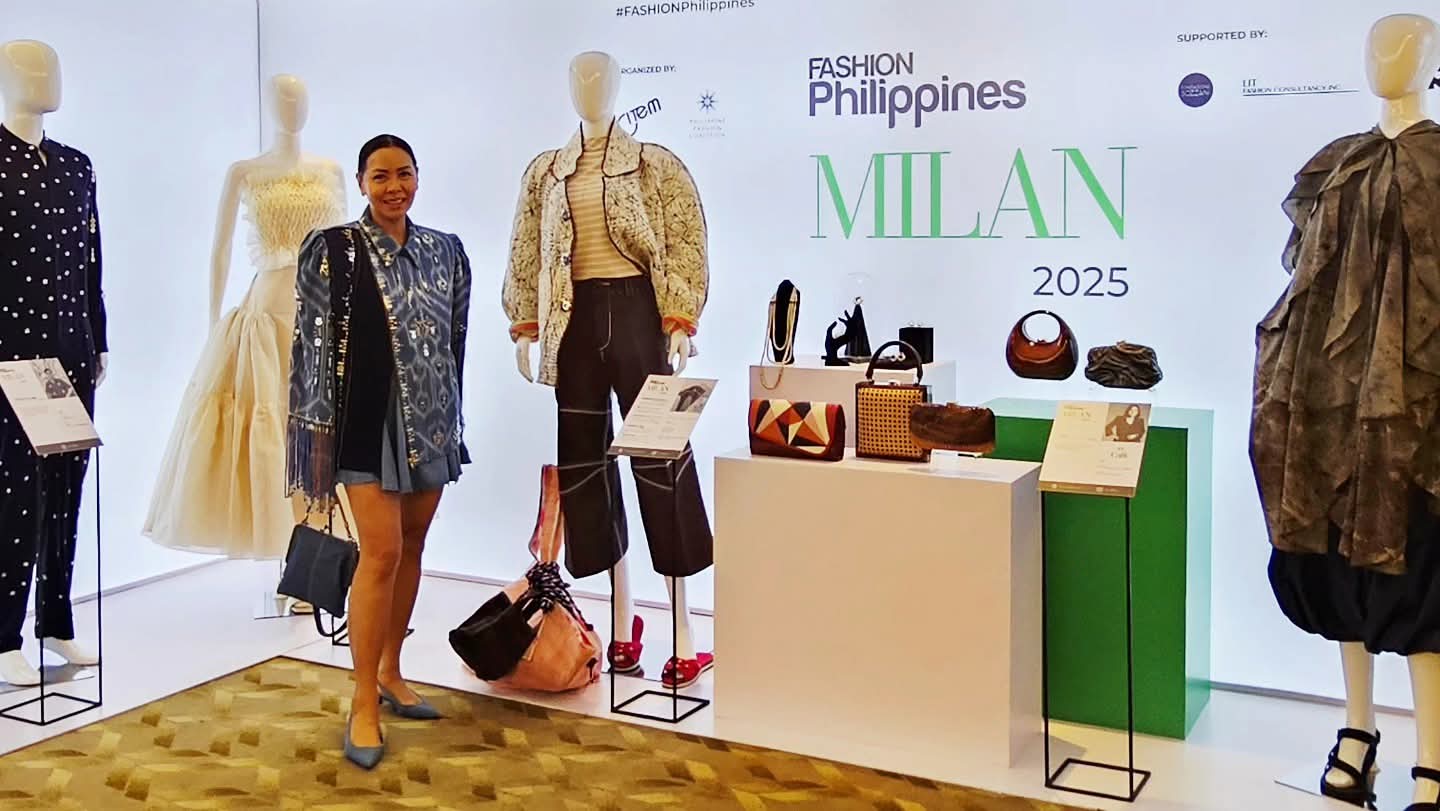
The program combined mentorship with an exhibition during Milan Fashion Week in September 2025. Selected Filipino designers received guidance in creative direction, buying, marketing, showroom management and brand development. It culminated in a three-day exhibition at Fondazione Sozzani.
The presentation also highlighted Filipino Innovation Textiles developed by the Philippine Textile Research Institute, including handloom-woven fabrics, KAWAYARN, bamboo lyocell and piña-cotton blends.
These materials connect Philippine agricultural resources and weaving traditions with the fashion industry’s interest in lower-impact textiles. The program’s value lies not only in displaying Filipino collections in Milan, but also in exposing designers to the commercial systems behind international fashion.
A Philippine advantage
Across these fairs, a common theme emerges. The Philippines’ strongest products are grounded in materials, skills and stories tied to the communities that produce them.
Solihiya weaving, hand carving, embroidery, basketry and fiber processing are being reworked for contemporary interiors and fashion. In food, regional ingredients and traditional flavors are being developed into products that meet international standards.
Europe’s demand for responsibly sourced, well-made and culturally authentic goods gives the Philippines a meaningful opening. Success, however, will depend on consistent quality, reliable production, certification, competitive pricing and long-term relationships with buyers.
The European market is helping position the Philippines not simply as a supplier, but as a creative and commercial partner offering sustainable, culturally rich products for consumers.