







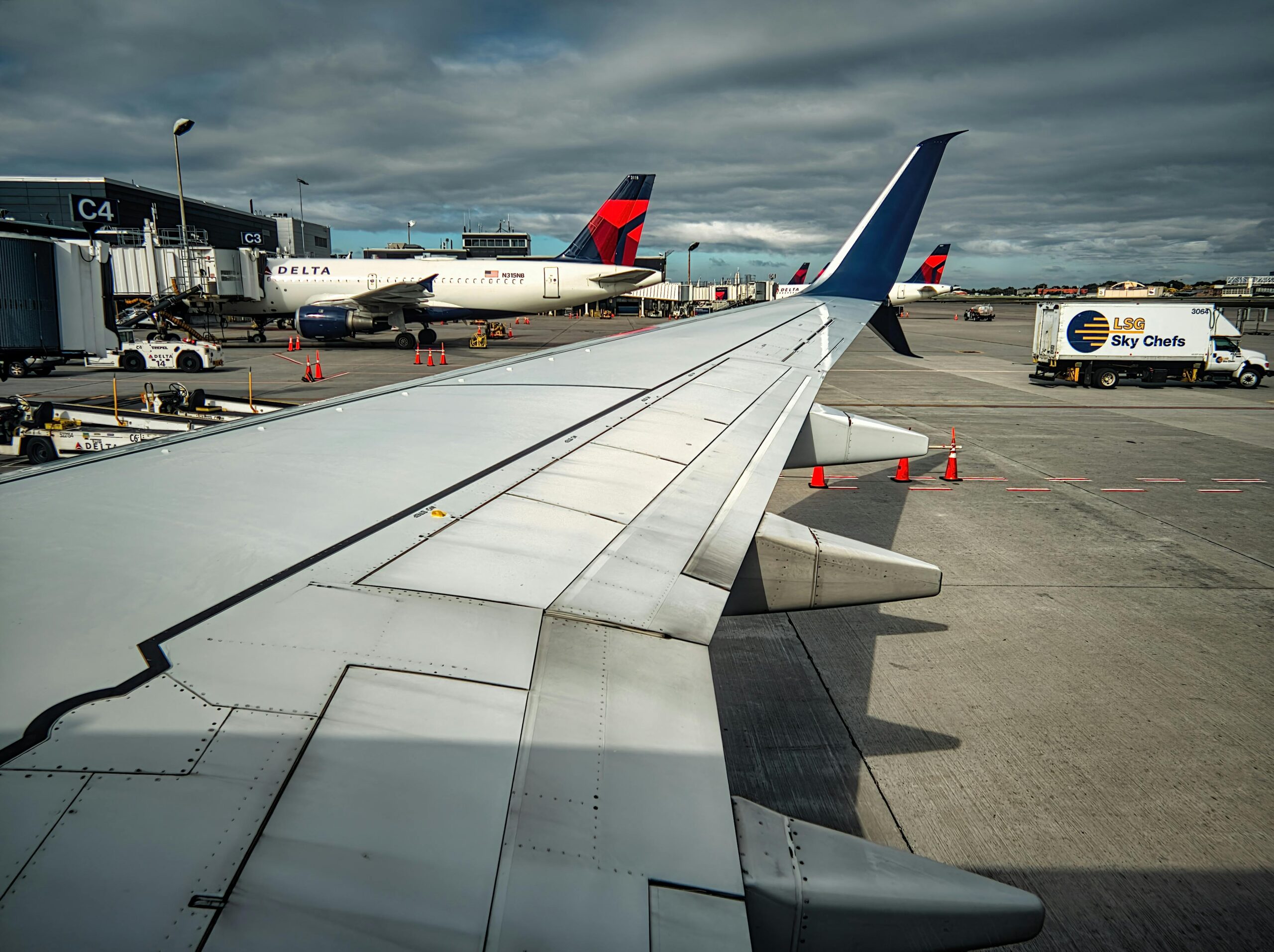
Strait of Hormuz disruption drives fuel shortages, forcing airlines to cut routes and raise fares ahead of peak travel season
Airlines worldwide are scaling back operations as a sharp rise in fuel costs—linked to disruptions in global oil supply—continues to strain the aviation sector.
At the center of the disruption is the reduced flow of oil through the Strait of Hormuz, a key route for roughly 20 percent of global supply. The constraint has pushed jet fuel prices to nearly double their pre-conflict levels, prompting airlines across Asia, Europe, and North America to cancel flights, adjust schedules, and increase fares.
Industry data from aviation analytics firm Cirium shows that 19 of the world’s 20 largest airlines have reduced planned capacity for May 2026. Global seat availability has declined by about three percentage points, reversing earlier growth projections.
The International Energy Agency (IEA) warned on April 16 that several European countries could face jet fuel shortages within weeks if supply constraints persist. Some markets are operating with fewer than 20 days of reserves, raising the risk of localized disruptions.
Asia and Europe lead cutbacks
Airlines in Asia-Pacific, heavily dependent on Middle Eastern crude, have moved quickly to reduce flights. Vietnam Airlines, AirAsia, and other regional carriers have cut routes and raised fares to offset rising fuel costs.
European airlines have taken similar steps. Lufthansa Group plans to cancel approximately 20,000 short-haul flights through October, while KLM and Scandinavian Airlines have also reduced schedules. Officials say most cancellations are driven by cost pressures rather than immediate shortages.
U.S. carriers warn of higher fares
In the United States, major airlines are signaling that higher ticket prices may persist. United Airlines has reduced its schedule and warned that sustained fuel costs could significantly increase expenses. Delta Air Lines has also trimmed summer capacity while reporting higher operating costs.
Low-cost carriers face the greatest pressure due to narrower margins, with some raising fees or cutting services to manage rising expenses.
Uncertain outlook
More than 150,000 international flights have been cut worldwide between March and June, according to industry estimates.
Although Iran stated on April 18 that the Strait of Hormuz remained open to commercial traffic, industry analysts caution that supply chains could take weeks to months to stabilize even under a de-escalation scenario. Airlines, which finalize schedules months in advance, have already locked in capacity reductions for the summer travel season, limiting the potential for near-term recovery.