






Photo courtesy of Jollibee Group
The Philippine-born restaurant group was recognized under TIME’s “Disrupters” category as it expands its global store network and pushes deeper into international markets.
MANILA — Jollibee Group has been named to TIME’s 100 Most Influential Companies of 2026, giving the Philippine-born restaurant operator another measure of global visibility as it expands beyond its home market.
TIME placed Jollibee in its “Disrupters” category and described the brand as a “fried-chicken phenom,” citing its strong position in the Philippines and its growing international presence.
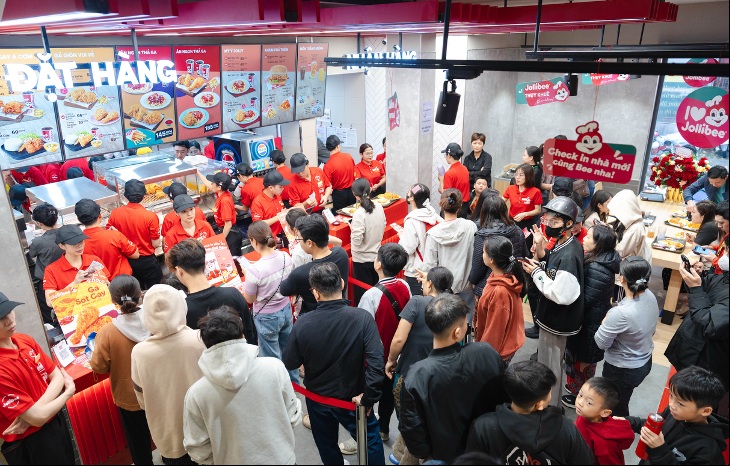
For Jollibee, the recognition comes as the company works to turn a brand built on Filipino taste and family dining into a broader global restaurant platform. Jollibee Group said it now operates more than 10,400 stores and cafés in 33 countries through a portfolio of 20 brands, including Jollibee, Chowking, Tim Ho Wan, Smashburger and The Coffee Bean & Tea Leaf.
The company’s flagship brand remains closely tied to Filipino identity. Its fried chicken, sweet-style spaghetti and other menu items have long been associated with family gatherings in the Philippines and with immigrant communities overseas. But the company’s expansion strategy has increasingly moved Jollibee into a different competitive frame: not only as a homegrown favorite, but as a restaurant group seeking scale in major international markets.
Jollibee Group President and Chief Executive Officer Ernesto Tanmantiong said the TIME recognition reflected the work of the company’s teams and the relevance of its brands outside the Philippines.
“We are honored to be named to TIME’s Top 100 Most Influential Companies list,” Tanmantiong said in a company statement.
The company’s international growth has accelerated in recent years. In 2025, Jollibee launched its first franchising program in the United States while continuing to grow its North American network beyond 100 stores. The move signaled a more formal push to widen its U.S. footprint, where Filipino communities have helped anchor demand but where the company is also trying to reach a broader customer base.
That challenge is central to Jollibee’s next phase. The company must preserve the cultural familiarity that made it beloved among Filipinos while adapting to markets where consumers may encounter the brand first as a chicken chain, not as a Philippine institution.
For Filipino communities abroad, the recognition carries symbolic weight. Jollibee stores overseas have become more than places to eat. For many immigrants and second-generation Filipino families, they serve as familiar spaces where food, family and cultural identity converge.
TIME’s 2026 listing places that story in a wider business frame. Jollibee is no longer being assessed only as a Philippine success story or a diaspora comfort brand. It is increasingly being viewed as a global restaurant company attempting to scale while keeping the Filipino identity that helped distinguish it.
The recognition also sharpens Jollibee’s business narrative: a Philippine company with a deeply local brand identity is now competing for scale, customers and investor attention across international markets.