



“I remember my father saying that the Luistros are originally from Taal, Batangas,” recalls Brother Armin Altamirano Luistro, the Filipino educator and former education secretary who now leads the De La Salle Brothers from Rome.
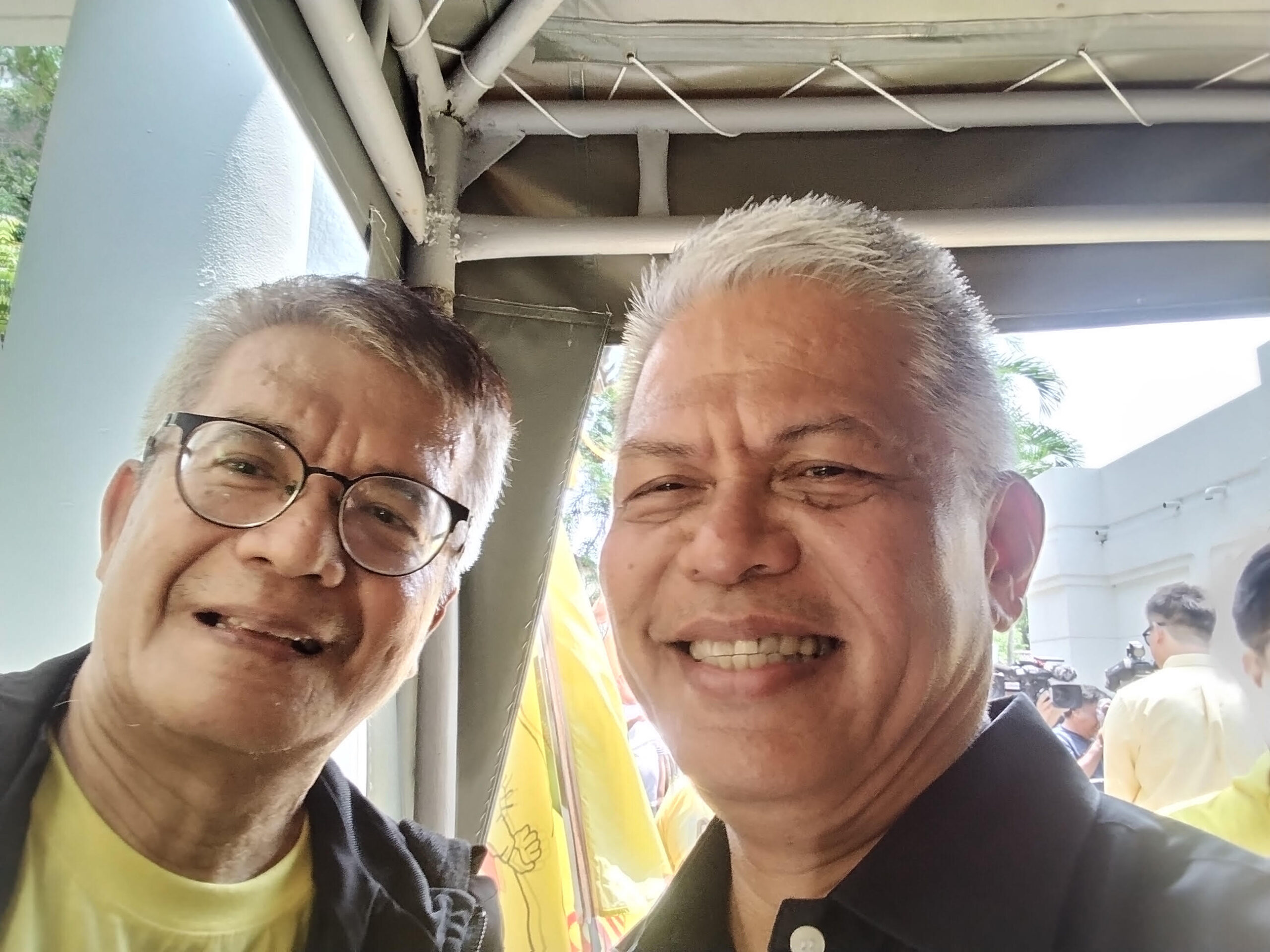
The family settled in Pangao, Lipa City, where Luistro grew up with seven siblings in their maternal grandmother’s ancestral Aranda home. He remembers the spacious rooms, family chapel and pilgrims who visited. Those recollections are intertwined with Lipa’s religious history, including reports of Marian apparitions and showers of rose petals at the Carmelite monastery in 1948. The Catholic Church has not recognized the reported events as supernatural.
Luistro identifies Bishop Alfredo Maria Obviar, then chaplain of the Carmelite monastery, as his granduncle. Obviar later served as apostolic administrator of the Diocese of Lucena, established in 1950, and became its first residential bishop in 1969.
Luistro attended Our Lady of the Rosary Academy and Canossa Academy before completing elementary school at De La Salle Lipa in 1973. He recalls that the school began admitting girls during his high school years and that his graduating class in 1977 included female students.
A scholarship took him to De La Salle University in Manila. After a semester studying economics, he shifted to philosophy and letters, influenced by the philosopher Emerita Quito, who also taught this columnist. He completed his bachelor’s degree in 1981 and later earned a master’s degree in religious education and values. He also holds a doctorate in educational management from the University of St. La Salle in Bacolod. He credits the study of philosophy with teaching him to look beyond immediate appearances, test assumptions and ask which values endure. His university education, he says, helped an initially shy student become more confident and critical in his thinking.
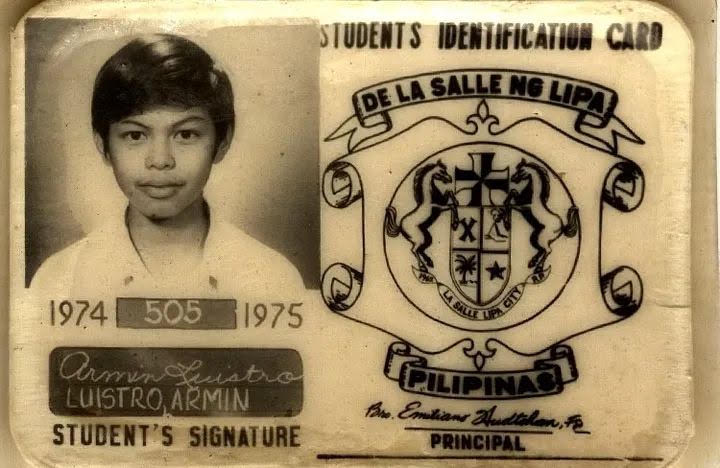
“I was very lucky. I could say what I am now is a product of my formation in La Salle. La Salle has a good reputation, a kind of self-assurance,” he says.
His religious vocation developed alongside his studies. He began formation with the De La Salle Brothers in Manila in April 1979, received the religious habit in October 1981 and professed his first vows a year later. He made his perpetual vows in May 1988.
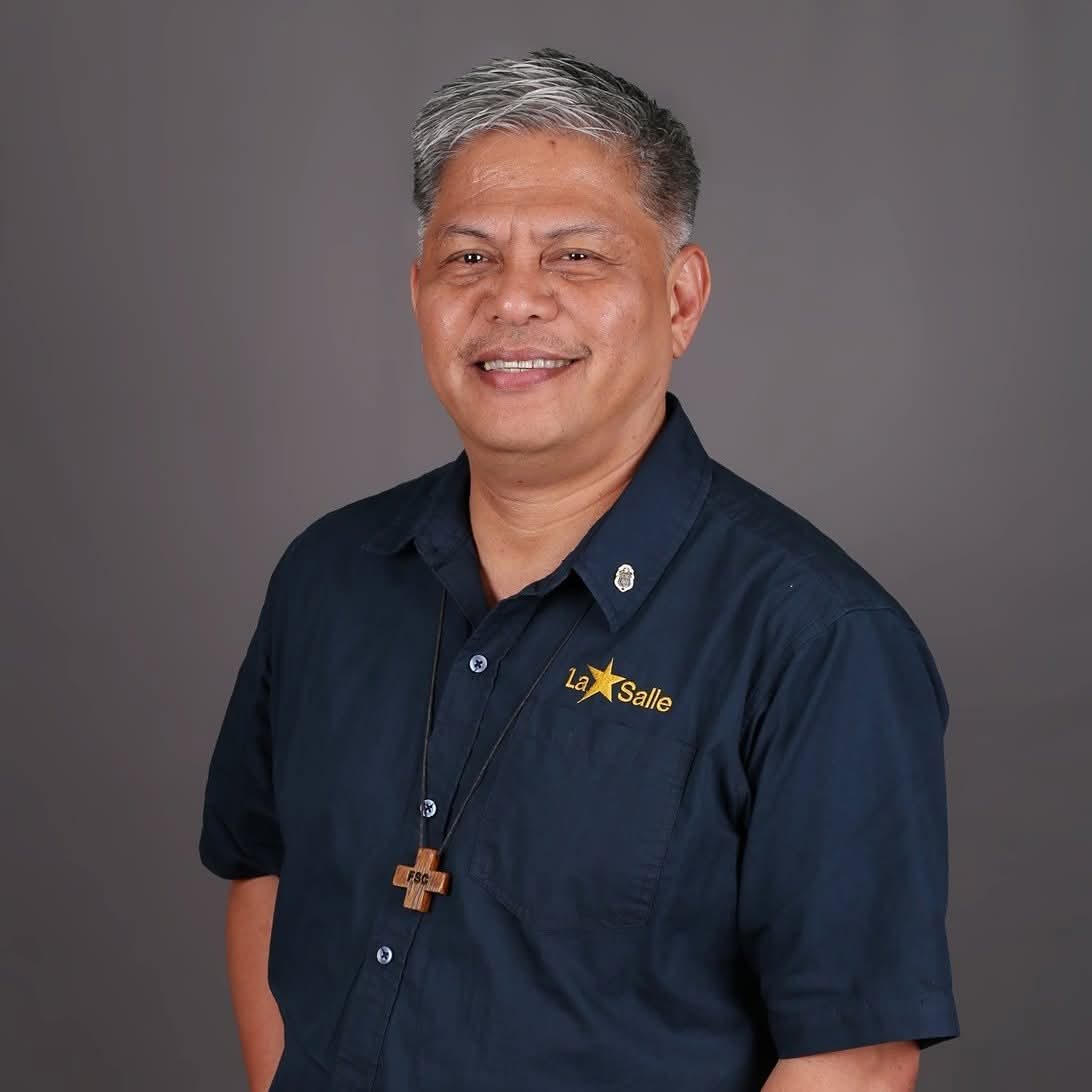
His early assignments included teaching religion and serving in pastoral roles at De La Salle Lipa and La Salle Green Hills. In 1988, he became district vocation director, guiding candidates for religious life. From 1989 to 1997, he held leadership responsibilities in houses of formation, including the La Salle House of Studies and the novitiate. He then served as provincial superior of the Brothers’ Philippine district from 1997 to 2003, overseeing schools and religious communities. He also helped establish the SIDHAY Foundation for Street Children.
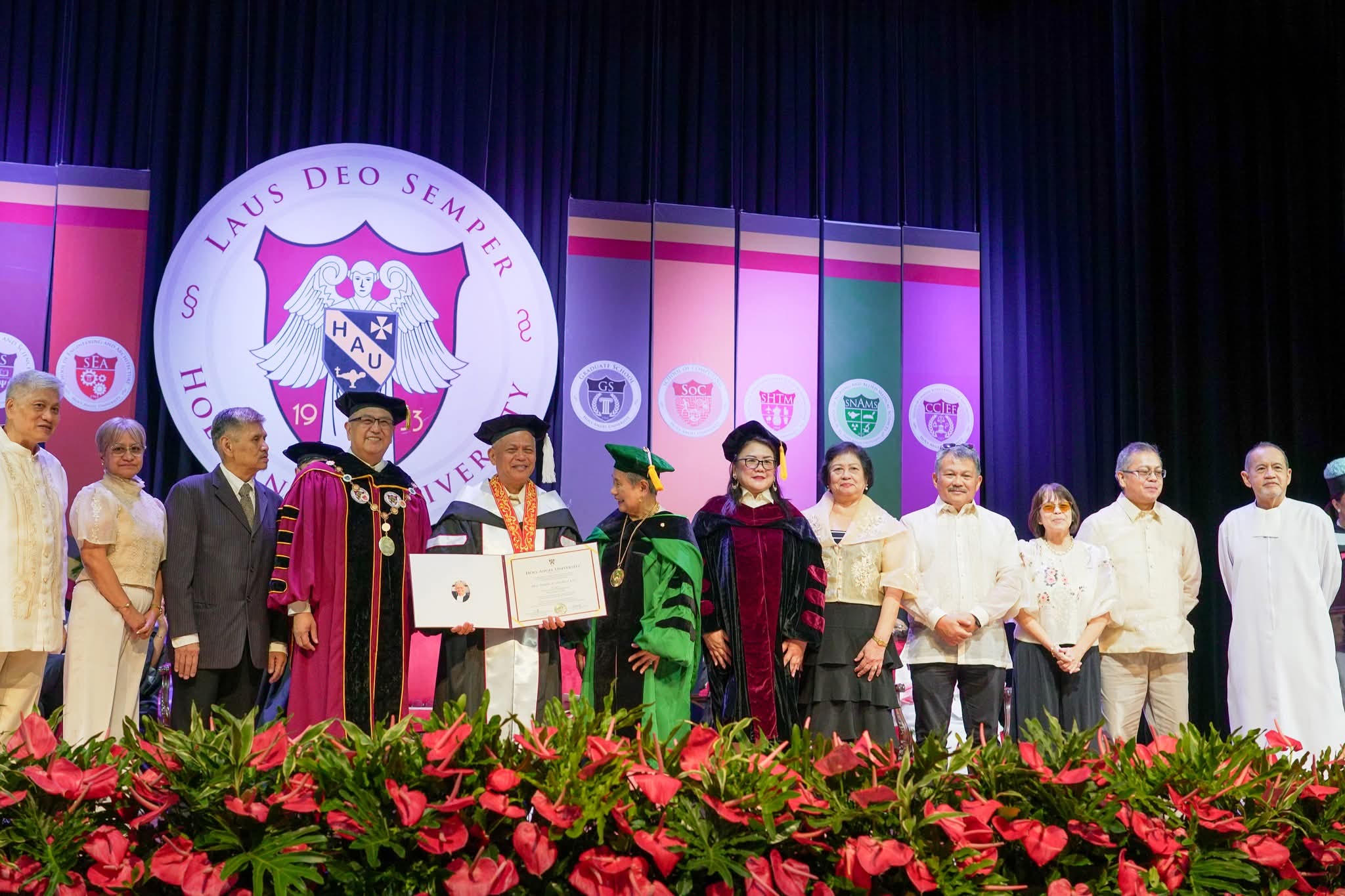
His work took him beyond the Philippines. In August 2000, he co-founded De La Salle Catholic University in Manado, Indonesia, with Bishop Josef Suwatan. Luistro subsequently became president of De La Salle University in Manila, serving from 2004 to 2010, and Philippine secretary of education from 2010 to 2016.
Travel took him across Asia, Europe, Australia and the Americas. He describes travel less as a pleasure than a requirement of his vocation. As provincial superior, he visited schools and communities and participated in regional gatherings with other Lasallian leaders. “I do that because of my work,” he says. When his schedule permits, he prefers reading stories that illuminate human experience, finding time alone with books restorative.
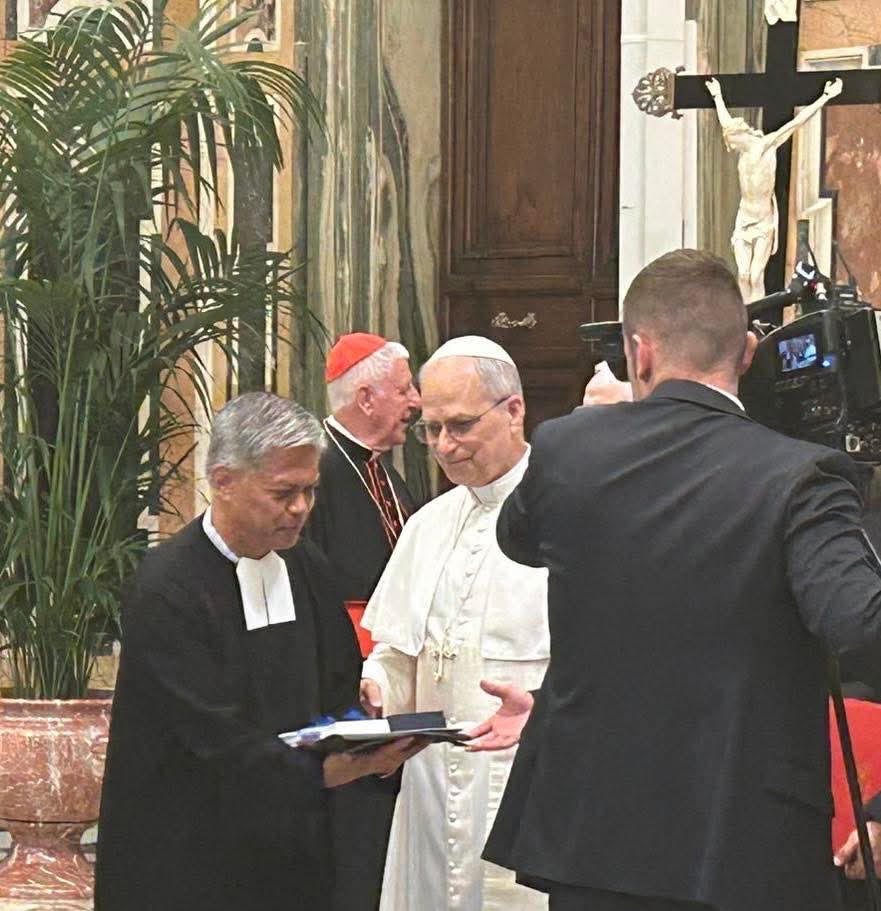
Elected the 28th superior general of the Brothers of the Christian Schools in May 2022, Luistro assumed responsibility for the worldwide religious institute. Pope Leo XIV appointed him on June 24, 2025, to the Vatican’s Dicastery for the Institutes of Consecrated Life and the Societies of Apostolic Life, which handles matters involving religious institutes and their communities.
Across his years in classrooms and leadership offices, Luistro has challenged the idea that quality education must be costly or confined to established campuses. He points to the Lasallian Volunteer Program, through which graduates and other volunteers work alongside underserved communities to provide educational support. The program, established in 1994, has served communities in Luzon, the Visayas and Mindanao. Its early work included Canumay in Antipolo, where volunteers lived alongside residents and supported community development.
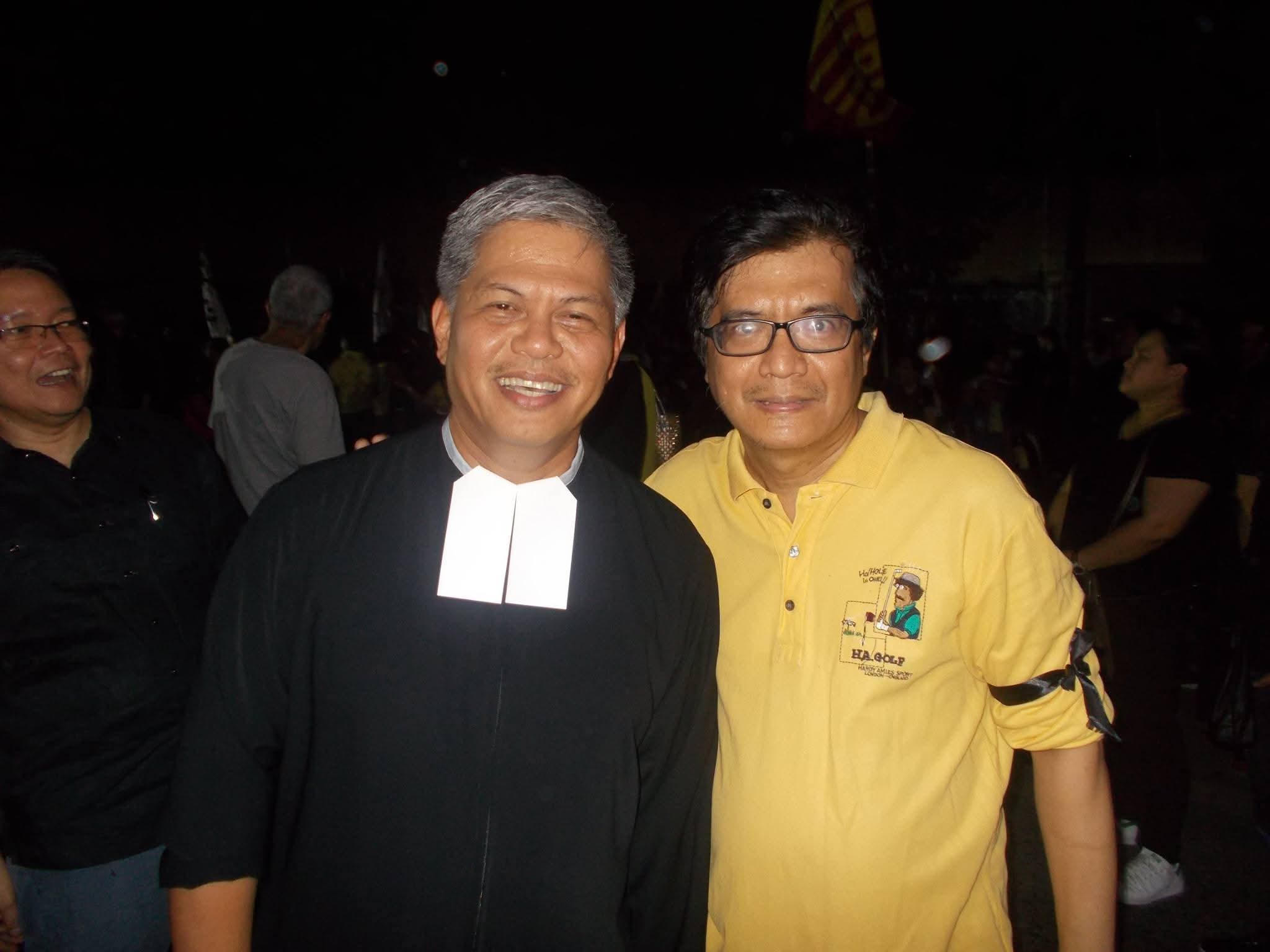
He describes volunteers living among the communities they assist rather than treating outreach as an occasional campus activity. He also cites initiatives for children who have experienced homelessness and for families unable to afford conventional schooling. Such programs, he argues, reflect the mission of St. John Baptist de La Salle, whose educational work emphasized access for the poor.
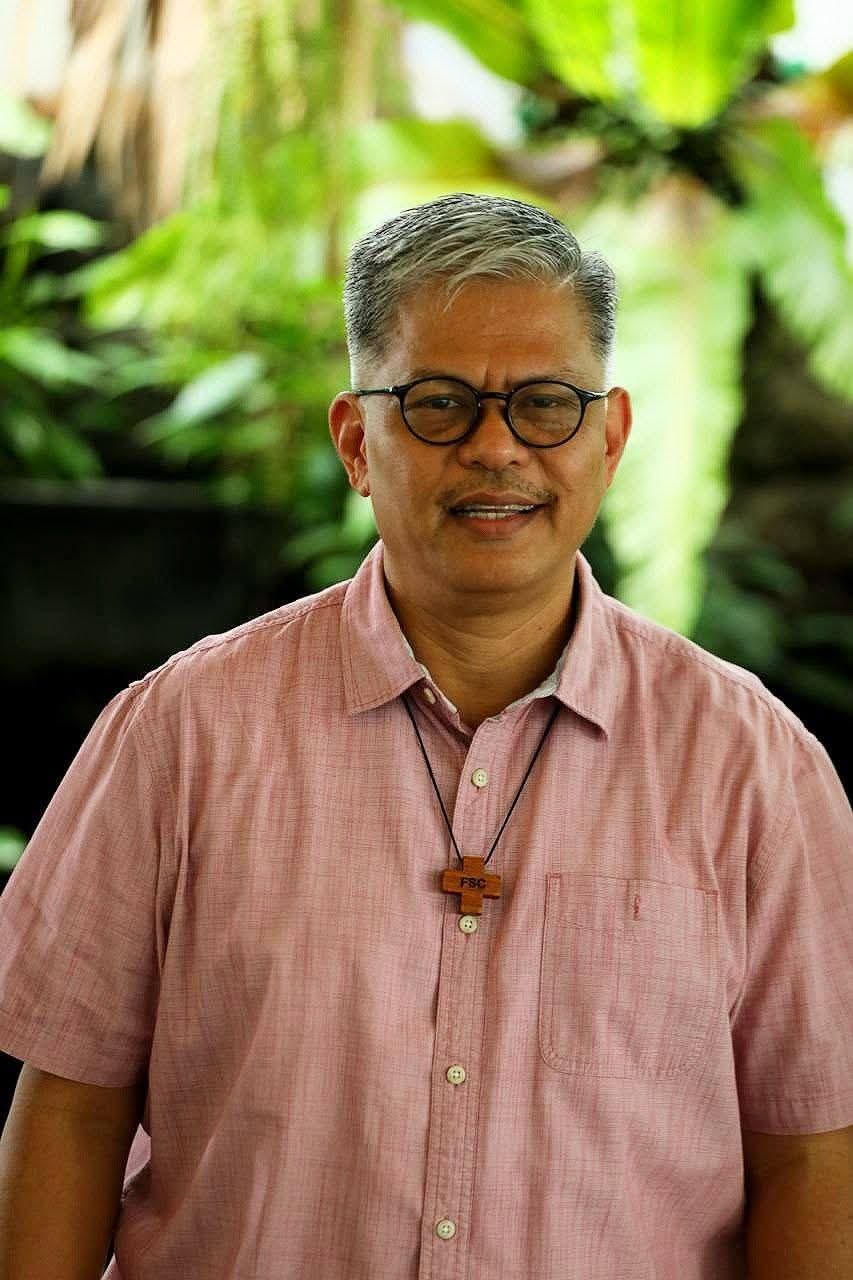
He says he came to appreciate the university’s motto, Religio, Mores, Cultura—religion, morals and culture—more deeply after entering religious life. He sees those ideals as practical obligations rather than ceremonial language. Luistro acknowledges that some people associate Lasallian schools with privilege. For him, that reputation makes it especially important to examine whom the institutions serve and whether educational opportunities reach those who need them most.
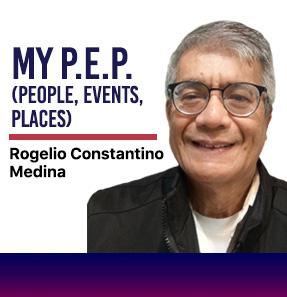
Associate Professor III Rogelio Constantino Medina is an award-winning Filipino international journalist, columnist and academic. He is well regarded for his extensive contributions to Philippine media and major international news publications. His career spans several decades and covers a wide range of fields, including news, business, travel, lifestyle, science, sports and health. He has written for major international publications such as the Far Eastern Economic Review in Hong Kong, The Japan Times in Tokyo and Gulf News in Dubai. Notably, he made history as the first Filipino journalist to interview Japan’s first astronaut, Dr. Mamoru Mohri. He is also credentialed with the U.S. Department of State’s Foreign Press Centers in New York City and Washington, D.C.