








Several centuries ago, the galleon trade was the first means of global commerce that enabled cross-continental trade from Asia to Latin America. At present, there is a challenge to reinvigorate Philippine trade links with Latin America because of the culture and history the Philippines shares with Latin American countries.
It is interesting to recall that six years ago, the Philippines’ Department of Trade and Industry held a webinar that encouraged Philippine start-up and experienced companies to do business with Latin American countries, like Chile and Brazil.
Latin America is a market of over 600 million consumers with opportunities for Philippine exports of processed food, personal life care products and other fast-moving consumer items
EO No. 75 on Export Promotion
Signed on November 22, 2024 by President Ferdinand R. Marcos Jr., this version of Executive Order No. 75 (s. 2024) aims at strengthening the Center for International Trade Expositions and Missions (CITEM) and optimizing promotion efforts for the country’s export capabilities.
Notably, the said EO is designed to synchronize the government’s export promotion efforts, address duplication of functions among agencies, and ensure effective implementation of the export development thrust.
By boosting CITEM’s role, the EO supports the general strategy of diversifying trade and investment partners and expanding into new markets, including those in Latin America such as Chile and Brazil. This executive action is part of a larger push by the present administration to expand the country’s global trade reach beyond traditional partners.
In short, EO No. 75 (s. 2024) provides the institutional support to strategically position the Philippines for expanded international trade, facilitating the government’s efforts to finalize bilateral agreements and explore opportunities in markets like Chile and Brazil.
Emerging Markets
According to statista.com, most exports to Latin America, including Chile and Brazil, are dominated by agricultural products such as coconut oil and fresh bananas and selected manufactured, processed goods.
In fact, the Philippines is actively pursuing stronger economic ties with both Chile and Brazil as part of its strategy to open new markets and reduce dependence on traditional trade partners.
From an investment standpoint, both Chile and Brazil offer diversification opportunities away from US and Asian markets. Latin American equities, including those in Chile and Brazil, are currently seen as attractively valued compared to global benchmarks. Investors looking for exposure to commodities and a resilient domestic consumer base often focus on this region.
Likewise, both Chile and Brazil are classified as established emerging markets, widely recognized by major financial and economic indices like MSCI and S&P Global. They are among the largest and most influential economies in the Latin American emerging market region.
Chile
Chile is known for its economic stability and high level of openness to international business and trade. It is often considered a fast developing economy that has progressed significantly towards developed status.
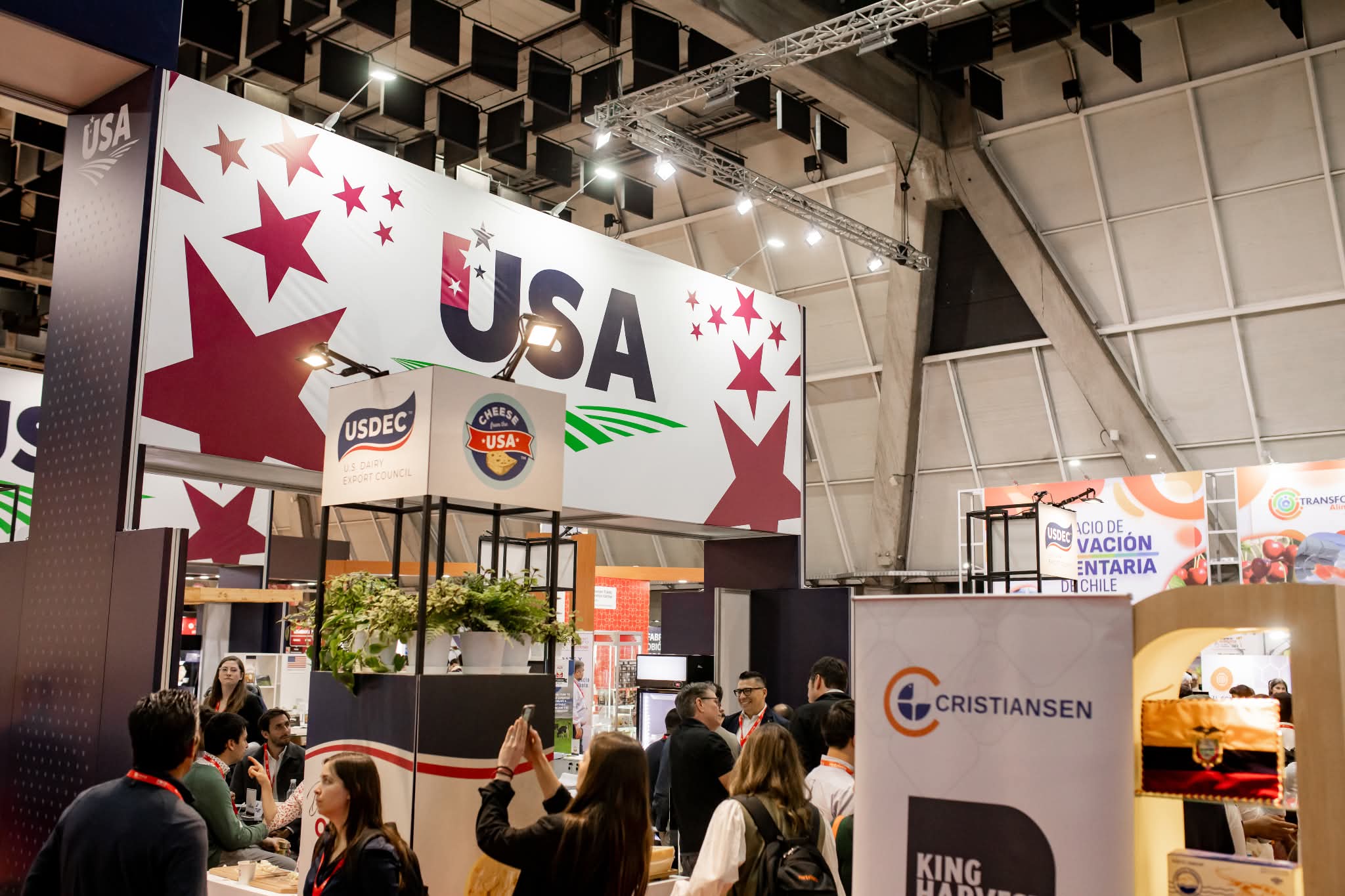
Interestingly, Chile is the world’s leading exporter of copper and also a significant producer of lithium, both crucial for the global energy transition. Its growth is primarily driven by fixed investment, with a projected GDP growth of around 2.3-2.5% for 2025.
The country also boasts strong financial and political institutions and has an extensive network of trade agreements with 60 countries. Its foreign investment promotion agency, InvestChile, actively seeks foreign capital, particularly for sustainability projects.
According to the United Nations’ COMTRADE database on international trade, in 2024 the Philippines exported about $43.21 million in goods to Chile, with the top products including machinery, electronic equipment, essential oils, and footwear.
Other exports are also made up of products like personal care items, fats and oils, and packaged food. The Philippines and Chile are currently in talks for a Comprehensive Economic Partnership Agreement (CEPA) to potentially increase trade. Both the Philippines and Chile agreed to accelerate the signing of the agreement which goes beyond trade in goods and services, including areas like digital economy and intellectual property rights, and positions Chile as a gateway to the Latin American region.
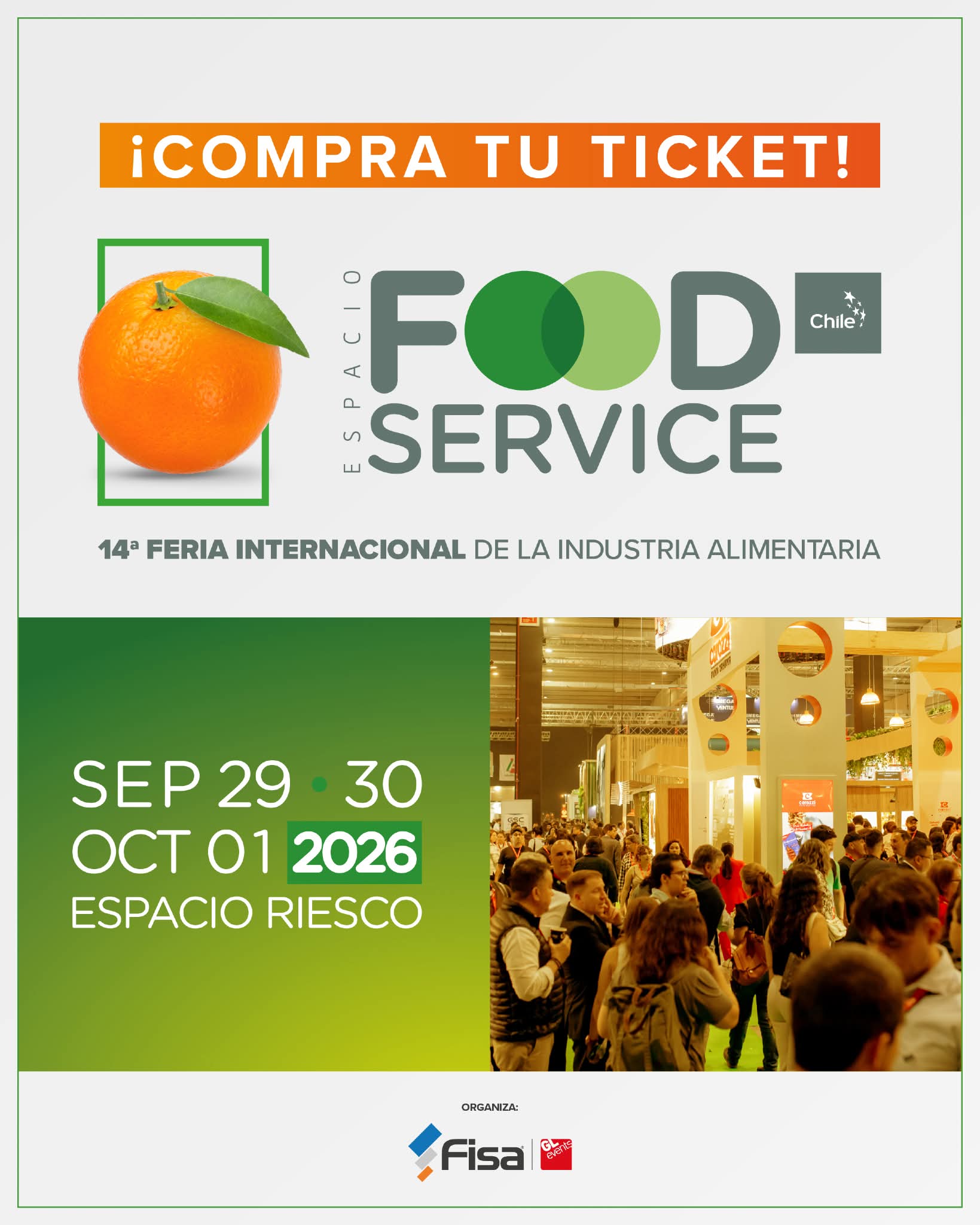
On September 29 to October 1, 2026 in Santiago, Chile, the Philippines will hold a market scoping mission to Espacio Food & Service, Chile’s premier gathering for the food industry, bringing together professionals from across Latin America and beyond.
Brazil
Brazil is the largest economy in Latin America and a founding member of the BRICS nations, a major bloc of emerging economies. Its vast natural resources have historically been the force behind its economic development.
The Brazilian economy is characterized by a strong, resilient domestic market and robust agribusiness sector. While its trade integration is relatively low compared to other emerging markets, exports have become a key growth driver. The country is seeing strong private consumption and a tight labor market.
This country attracts significant foreign direct investment, with São Paulo acting as a major hub for venture capital. However, high fiscal deficits and the need for fiscal reform remain key challenges that impact private-sector investment and interest rates.
Brazil is also a prospect for future free trade agreements (FTAs) as the Philippines seeks to develop trade relations with various Latin American nations.
Commerce between the Philippines and Brazil has grown significantly in recent years, reaching approximately USD 2.4 billion in 2024.

The Philippines and Brazil share growing partnerships in trade, food security, defense, and technology. Moreover, both countries are exploring agricultural trade opportunities, with top Philippine exports to Brazil including desiccated coconuts, coconut water, and virgin coconut oil.
Beyond agriculture, cooperation is being explored in areas such as renewable energy, science, technology, and innovation. It should be noted that the Philippines previously signed a letter of intent with Brazil on enhancing trade relations in 2015.
On August 4-6, 2026, the Philippines joins in conducting market scoping mission to Food Ingredients South America at Sao Paulo Expo Exhibition & Convention Center in Sao Paulo, Brazil. This is the international exhibition and conference for the food industry. It provides a platform for food ingredient suppliers to meet with buyers, learn about the latest industry trends, and source the latest and most innovative ingredients as well as features a number of educational features, such as seminars, workshops, and keynote presentations.