







By Janet Susan R. Nepales
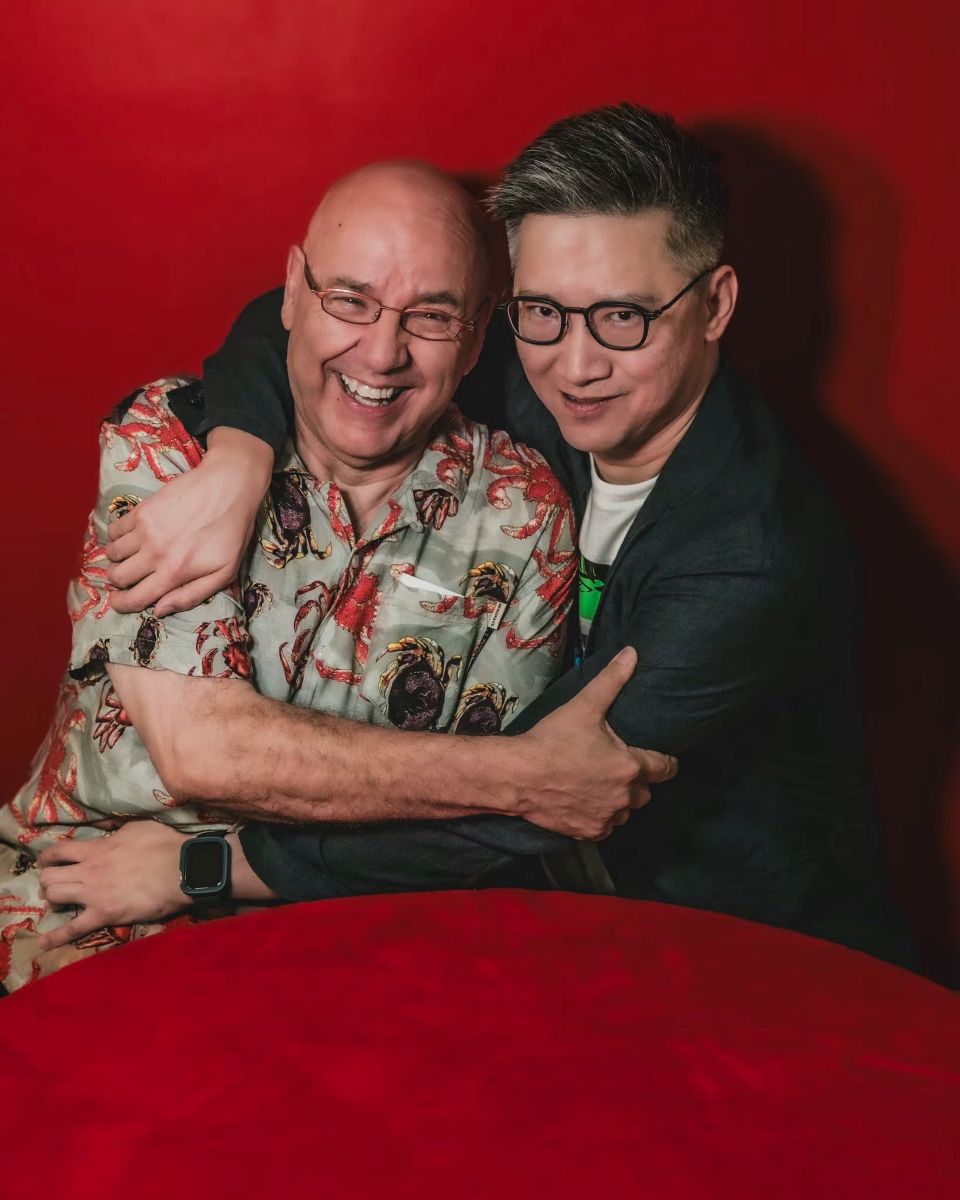
Raul Garcia and Ervin Han come from two different cultures and two different worlds but are brought together by their love for storytelling and animation.
Garcia was born in Madrid, Spain and co-wrote and co-directed the Goya award-winning “The Missing Lynx” and produced the Academy Award nominee “The Lady and the Reaper” and directed the Annie Awards nominee “Extraordinary Tales.”
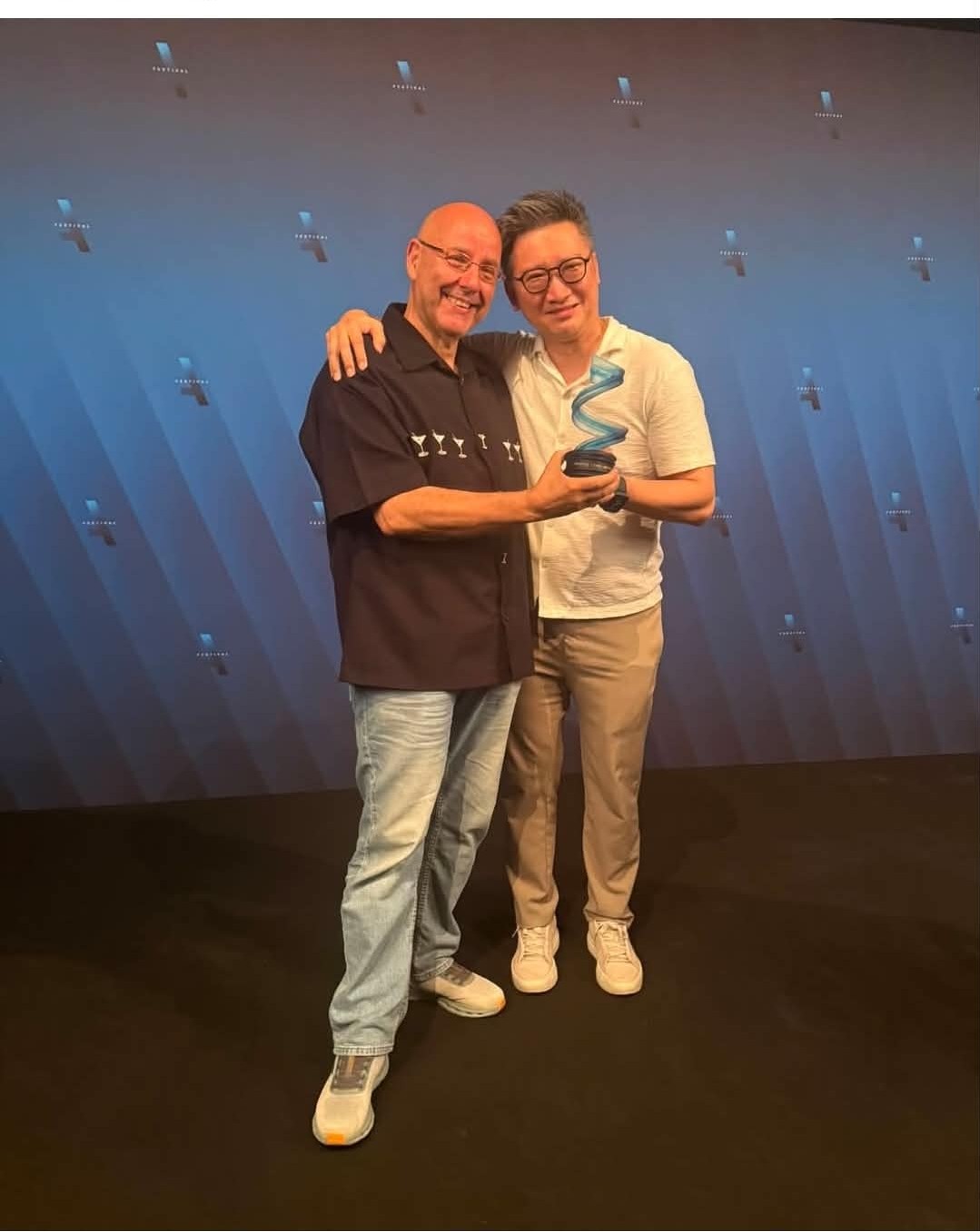
Han, on the other hand, is a Singaporean filmmaker and the co-founder of the animation studio Robot Playground Media. Over a career spanning more than two decades, he has developed and produced animated projects for international partners including Disney, Warner Bros. Discovery, Netflix and Mediacorp, while championing original stories from Singapore and Southeast Asia.
Together with Garcia, Han co-directed “The Violinist” (2026), his feature directorial debut that premiered at the Annecy International Animation Film Festival where it won the Cristal for a Feature Film and the SACEM Award for Best Original Music. He co-wrote it with Jordan K. See.
Han said of his collaboration with Garcia, “I knew Raul from his time teaching in Singapore. He was a visiting professor at one of the animation colleges here. We struck up a very natural friendship. He has tons of stories. He’s very hard to resist. He was game. He also had an interest in history and Singapore, and what happened in this part of the world during World War II. So then began this collaboration. But, on and off, it took about 10 years for this to become a reality.”
Garcia revealed, “When we met, we felt that we had to do something together. It was like that kindred spirit. I have always been interested in making feature films. I knew that he did short films and he had a beautiful film that he made about things that no longer exist in Singapore. I was enchanted. I thought it was great. When we met, we started talking about animation, and we realized we had the same feelings about what animation can be, what animation can relate to, and what kind of stories we can tell in animation. It was like looking for that perfect story that will work at the same time.
“When I was in Singapore, I fell in love with the history, with the art, with the culture, and suddenly ‘The Violinist’ became the project that we were always dreaming of working on together. So that was a perfect match.”
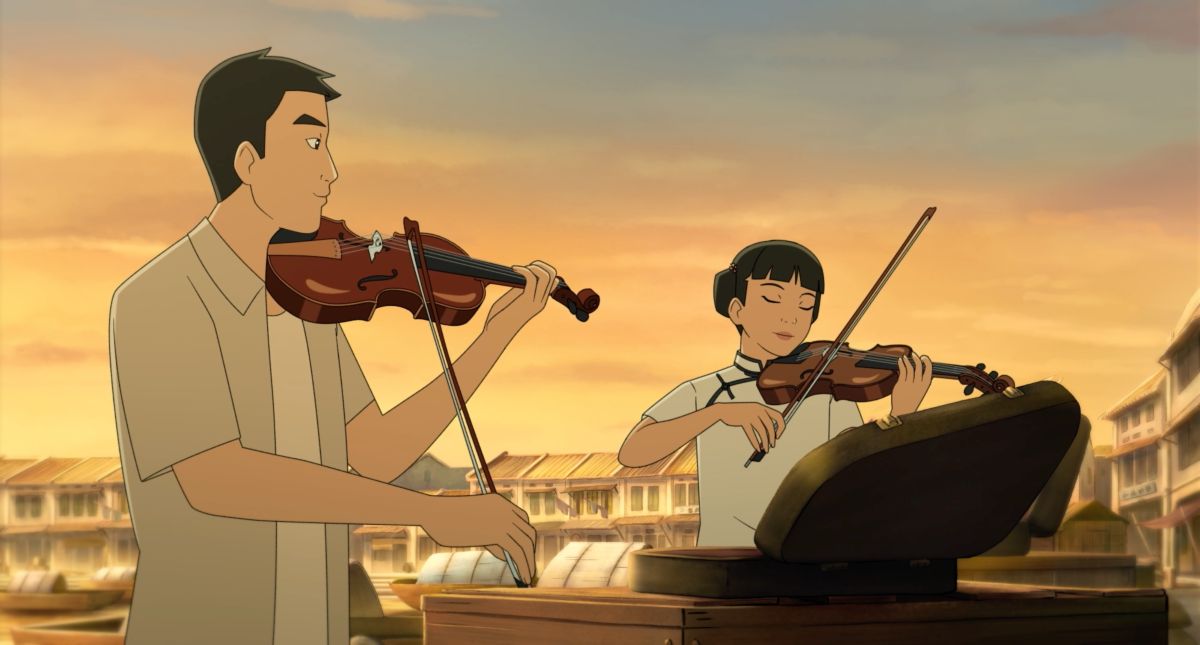
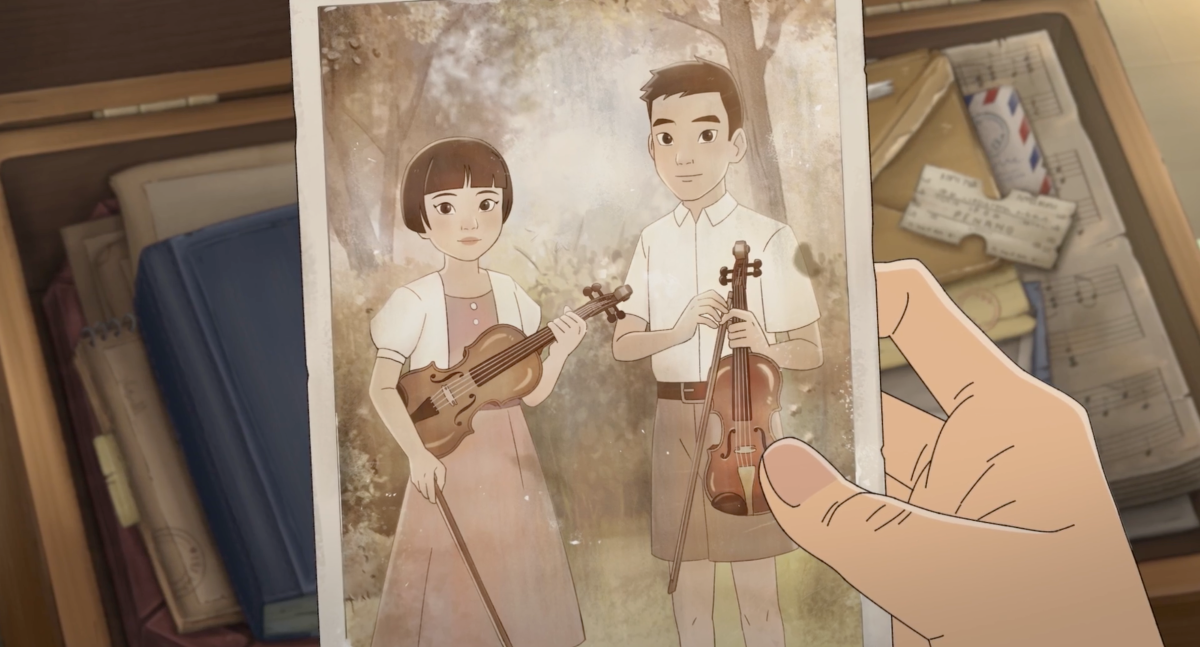
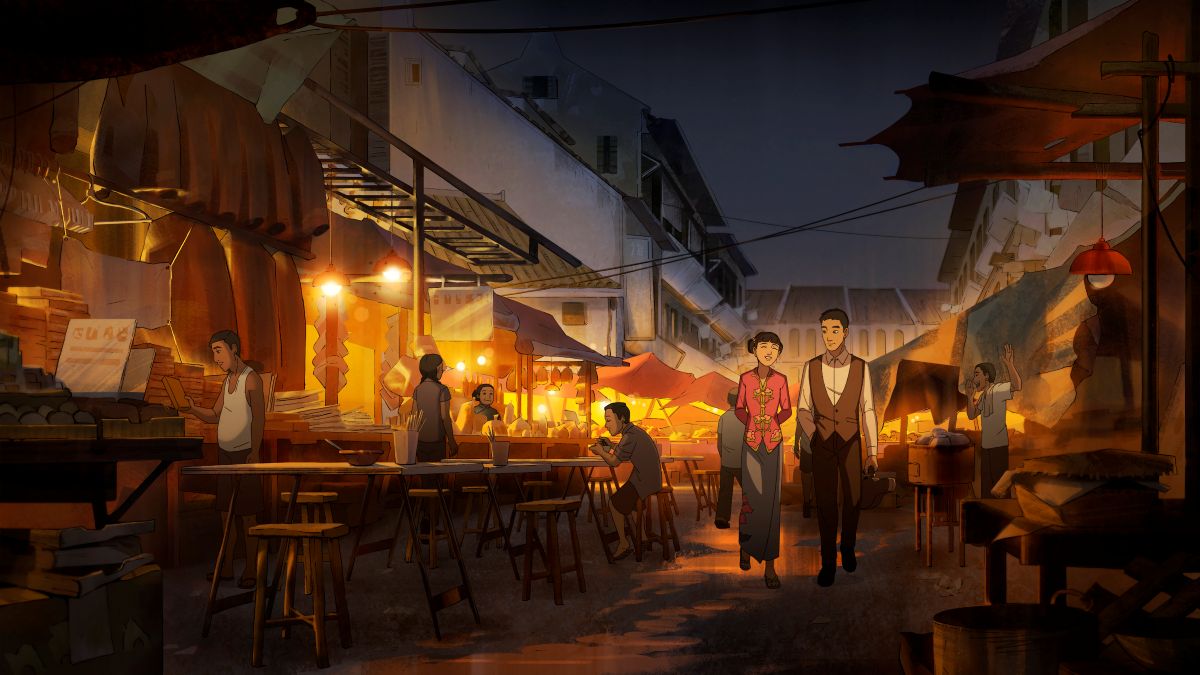
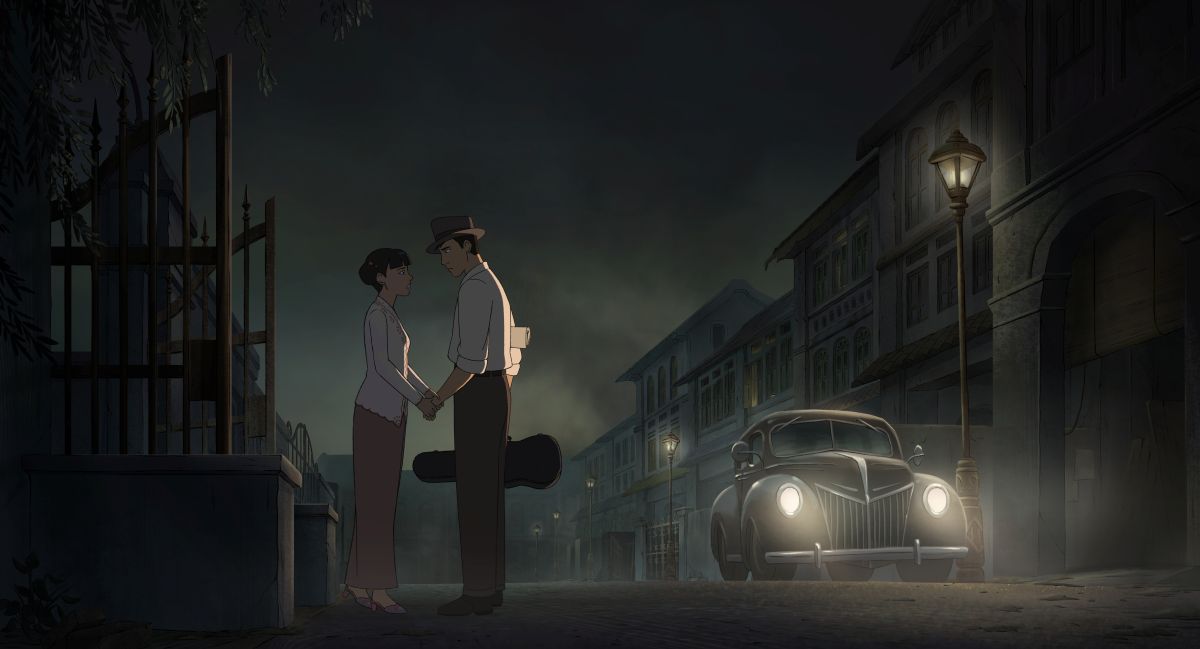
Set in 1930s Singapore, “The Violinist” is not only a story about a friendship between Fei and Kai, two childhood friends whose lives are forever altered by war, love, and the enduring power of music, but is also a sweeping historical drama spanning 80 years.
Kai entrusts his violin to Fei with a promise that he will return. Across the decades, Fei rises to become a celebrated violinist, but her music remains haunted by the memory of her friend and a past she has never been able to leave behind.
“The Violinist” is an epic animated story of friendship, sacrifice and remembrance — and the power of music to carry memory through even the darkest of times.
Their directors’ notes state: “As co-directors from different cultural backgrounds, we approached the story from different perspectives, united by a shared belief that animation can tell deeply human stories with emotional honesty and cinematic scale. Music became the film’s emotional language, carrying memories that words cannot express and connecting lives separated by war and time.
“Created through an international collaboration spanning Singapore, Spain, and Italy, ‘The Violinist’ reflects the belief that storytelling can bridge cultures and reveal the shared humanity that exists even in history’s darkest moments. We hope audiences leave the film not only moved by its characters, but reminded of the enduring power of art, memory and compassion.”
The movie, a result of a decade-long production, was inspired by a short 12-minute film of the same title written and directed by Tom Pickard in 2015.
The first Singaporean film to compete in Annecy’s main competition and the first Spanish film to win the Annecy’s top Cristal Award in the festival’s 60-year history. It is also the first Singaporean animated feature to screen out of the Toronto International Film Festival.
Aside from Singapore, Spain and Italy, the other animator collaborators came from Colombia, Malaysia, Japan and the Philippines.
International Collaboration
In our exclusive virtual interview with Garcia (who was in Singapore to attend the premiere of the movie in Singapore with his wife-journalist Rocio Ayuso) and Han, they explained the involvement of the Filipino animators from the Philippines in the Annecy award-winning animation “The Violinist.”
Garcia explained how they managed the international collaboration. He revealed, “Thanks to working remotely, Ervin had half of the globe for himself, and I had the other half of the globe for myself, 24 hours around the clock. So that was great.
“Funny enough, the movie spanned almost 80 years and in different locations. The most difficult thing was pretty easy because we were able to divide the movie into self-sufficient pieces, like the scenes of the old Fei happened all in one moment in history and in one place. We took that part and gave it to one studio so they could work on the piece by themselves without having to be so dependent on hookups. That part was done in Colombia. The part of the resistance was done in Malaysia, another part was done in Spain, and so on and so forth. We managed to divide the film by years and by location. That way, we really kept a hard grip in the continuity of the film and in the coherence in terms of art direction and animation.”
Han added, “The coordination really was a very massive task. My team in Singapore, at our peak, we have maybe only about 25 people. And you know, multiple countries, time zones, everything comes through Singapore for the final approval.
“Even the team here also had to make final changes. And the final composite is done in Singapore. I have to give my full credit to my team here that to be able to manage such a massive international production, but it was the only way we could make a film out of Singapore. We couldn’t build a 6000 studio in Singapore. That’s not possible.
“Thankfully there were many great studios around the world, around the region. It was really about having that tenacity, that perseverance, almost willpower, to will it to life. The last three to four months, they were on shifts around the clock. The other team on the other side of the world has finished. We have to continue to work, waiting for shots from another team.”
Filipino Animators
Garcia and Han agreed that the Filipino animators were “pretty incredible.”
“They came at the last minute to save the field,” Garcia pointed out.
Han disclosed, “We have many friends around the region.” We know many Filipino teams as well. So, when we needed help, we just called, and they were very open and willing to come in. I’m eternally grateful and their names are in the credits.”
Garcia reminded, “Remember, this is a 2D film. So, it’s not that we have to animate the film, but we have to do cleanup, like doing the final line in the drawings and in campaigns. This is almost like one of the last traditional films made in 2D.”
He shared that the Filipino animators worked with two studios.
“We worked with two HungryPen Animation Studio (based in Baguio City) and Red Door Animation, Inc. (Manila). And their names are all on the credits. They mostly helped us with cleanup in between and colors. In Southeast Asia, it is not so easy to find very strong traditional 2D studios. It’s really in the Philippines where you can find them. It is still the place to go. And we are very fortunate to have many friends there.”
Music as a character in the film
Music has played a central part of the film and storytelling and ultimately functions as the film’s language. It is not simply part of the soundtrack – it is the narrative thread that carries memory across generations.
The original score was composed by the prolific Singaporean composer and Golden Horse winner Ricky Ho who worked alongside Spanish composer Isabel Latorre.
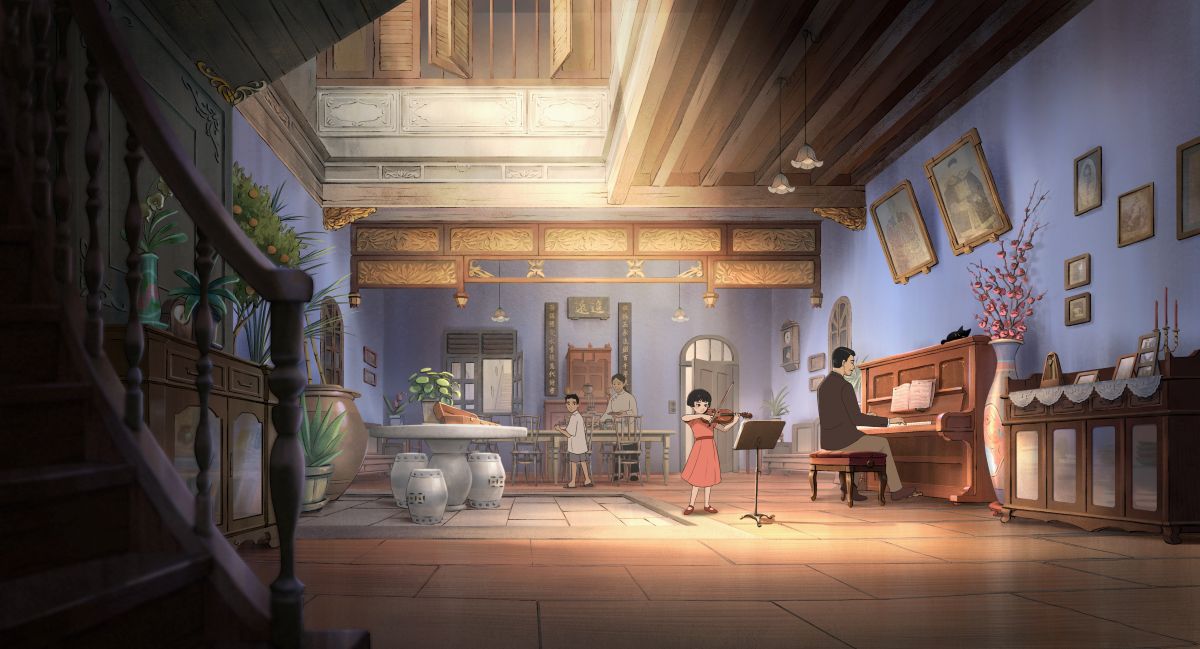
We asked the creatives how they chose violinist Joy Yong who performed most of the violin pieces in the movie.
Han replied, “Joy was almost by accident. She crossed paths with our composer Ricky (Ho) in Taipei at an event, and they just started talking. Joy is also Singaporean, but she’s based in China at the moment. She’s classically trained. We thought it would really be nice if a Singaporean violinist could come in and be the lead performer on this score, particularly the Sunset Sonata, which Ricky was writing at the time.
“Ricky had four versions of the Sonata. The other three versions were very nice. I should let you have a listen. We ended up with one, and she came on board. She actually came on board as a producer, so her team also invested in the film. So, it’s quite a unique role, but I think we’re just very thankful that not only did she bring her talent, but also really vested interest in the film to tell this story.”
Garcia chimed in, “And one of the things regarding the music is with all this great talent around, we decided to be very faithful to what music is and to what violin playing is. So, we took extra care in animating the real violin playing.
“In most of the movies, when actors play a musical instrument, they just pretend. We really went the extra mile to be sure that the fingering that you see on the violin is the proper one and according to the notes they’re playing in the movie. So, we had a whole team for one year dedicated exclusively to animating the violin playing in the movie. I think that shows extra believability, an extra thing that makes the movie more realistic.”
Han agreed. “The violin animation is the one part that we did not send out to the rest of the world. It was all done in Singapore because it was too difficult and tricky to have different people do it. So, there’s a team in Singapore for over a year. They did nothing but animate the violin playing.”
So, what made choose the violin?
Han explained that the short film that it was inspired by was called “The Violin” so “I was kind of stuck. I couldn’t change it to a different instrument. I wish I had sometimes, maybe an instrument that’s easier to animate.”
Then he added, “But something that a violin teacher once told me when I interviewed her for the film. And that’s the line that’s in the film, which is that the sound of a violin is the closest to a human voice.”
So, what is the role of music in their own lives, we asked them.
“It’s a big part,” admitted Garcia.” Basically, we, in animation, work continuously. It’s a very isolated kind of profession where you just sit down at your desk. And most likely we are always playing music and listening to music, and if the animation includes music, then you listen to the songs over and over again to be able to animate them, or in this case, animation is all about rhythm, and you have a lot of points in common with music. So, sometimes I define myself as a frustrated musician because I wish I could play something decent, but music is important in our lives.”
Han confessed that “It’s funny but both Raul and I don’t play any musical instruments.”
“I used to play flute, but pretty badly,” informed Garcia with a laugh.
Han explained, “But music is a language in the film. It’s also the one language that we don’t understand at all, but we understand at the same time. It is the one true universal language. And to have that as such an integral part of the film was both incredibly challenging, first of all, for the composer. And secondly, as filmmakers, we know if the music doesn’t work, the film doesn’t work especially in this film. So, there was pressure on both sides.
“But I think our composers did a wonderful job. Music is the one thing that is universally praised about the film. It becomes a character in the film.”
International voice actors
We asked them how they were able to gather all the voice actors from various parts of the world speaking Japanese, Mandarin, and English.
Han answered, “So we had for our English class, they are mostly Singaporean actors. And the Japanese actors were cast and recorded in Tokyo. They were all native Japanese. We wanted the English version to sound right. They should not sound American or British. They should sound natural, but at the same time, not having too colloquial an accent, but still should be something that the international audience can understand, at least for English.”
Asked how long it took them to finish the movie, Han pointed out that “the actual production end to end was about four years.”
He continued, “Raul came in maybe at a four-year mark. We started talking, exploring, and then COVID happened. So actually, for three years, things moved really slow. Quite a bit of the financing fell apart during that time. So, it was a very difficult time. When COVID came, we tried to put things back on track. Thankfully, I feel after COVID, a lot of people also had this desire to let’s do something and the partners really came on board to plug the gaps. And then we were able to get it going again.”
Garcia, in fact, stressed that during COVID, working remotely became the norm in the animation industry and everywhere.
“So suddenly during those two years, we learned how to work remotely, and there were tools developed to make it possible to collaborate in different parts of the world. Suddenly, with these tools, we made a big leap forward in terms of being able to communicate and being able to share documents, being able to transmit information. And that was very, very handy. That was really good.
“It was kind of like a miracle that we actually finished the movie because at the end, the last six months were such a flurry of emails, information, scenes here and there, fixing problems. It was incredible. So, when we finished the movie, it was such a relief.
“We almost didn’t make it to the Annecy festival. So, when we arrived in Annecy, that was the first time that we saw the movie in a big theater with an audience. And those 13 minutes of standing ovation were worth all the effort because we really saw that the movie connected with people.
Relevance of the movie and other messages of the film
The film is relevant because it emphasizes the power of hope and the resilience of dreams and art in a world overcome by conflict.
At a time when conflict is once again dominating global headlines, the movie asks what happens to ordinary people whose lives continue long after history moves on.
We asked the filmmakers what they hoped audiences would get after watching the animation.
Garcia wished audiences would understand the power of music. “Music plays a lot in how we behave, how it affects us in bad times, in times of war, and in times of desperation. Music can bring you a little ray of hope.”
For Han, it would be gratifying for him to see audiences respond not only to the history of Singapore but to the story of the characters “whose lives were torn apart but by using art and music as a means to move forward and to continue living.”
He emphasized that it is not a war film but “a film about the people who have lived through war.
“I want them to see that even in times of darkness, there is always humanity.
“I also hope it resonates with Southeast Asian audiences because it is a love letter not just to Singapore, Malaysia, but Southeast Asia. We went through very similar experiences in many ways during those years. And after the war, everything changed.
Garcia added, “At the end of the story. It is basically a love story. It’s a human story about two characters who fall in love and two characters who get separated by circumstances that they no longer can control.”
After Singapore and Toronto, the film is bound for the Busan International Film Festival and releases in Spain sometime in November.
Garcia summed it up. “We’re just super grateful that it has reached so many people and that it continues to get the attention that it has.”

Janet Susan R. Nepales is an award-winning journalist and the first Filipina voting member and Associate of the Golden Globe Awards. She has been a member since 2008 and is the first Filipina to be elected to the Advisory Board. She is the author of the coffee table book “FASHION. Filipino. Hollywood. The World” and the co-author of the first FWN book “DISRUPT: Filipina Women: Proud. Loud. Leading Without A Doubt.” A graduate of UST (AB Journalism, cum laude), she is based in Los Angeles and is a Hollywood entertainment journalist and TV correspondent.